
Systems Analysis and the Systems Life Cycle mind maps
651 mind maps by 471 users · Page 1 of 17
This page gathers over 600 community-made mind maps on systems analysis and the systems life cycle, from investigation methods to changeover and maintenance. School students, university students and professional candidates can use them to practise these topics; teachers can find ready-made material. The maps span school and university levels, with material for professional candidates too. Pick a map to start exploring.
Select topic
- Systems Development Methodologies10
- Feasibility Study19
- Analysing the Existing System76
- Fact-Finding Techniques19
- System Requirements36
- Data Flow Diagrams48
- System Design46
- Input, Output and Interface Design21
- Standards in Systems Development14
- System Development and Construction6
- System Implementation and Changeover27
Mind maps
-
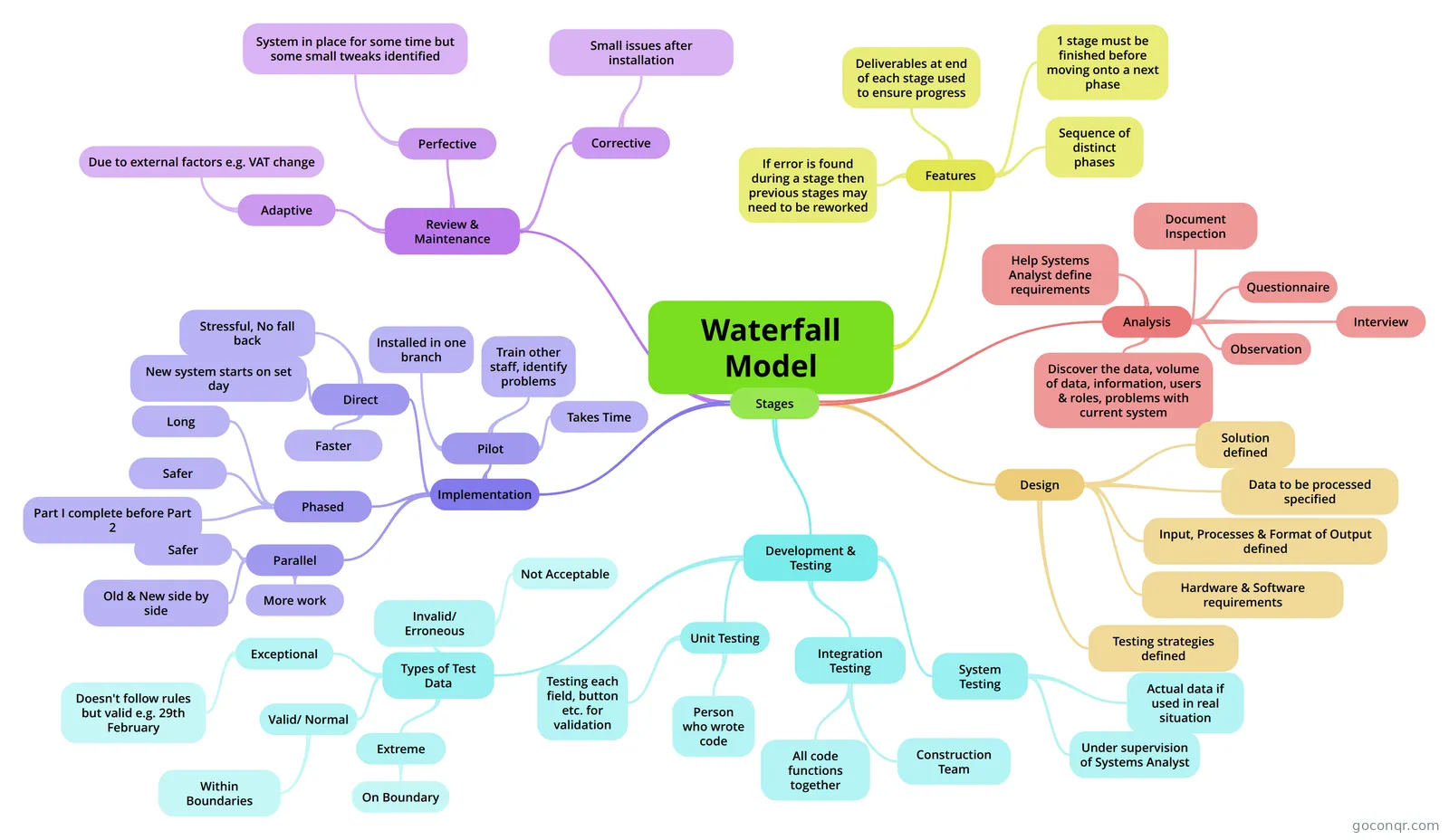 Waterfall Model
-
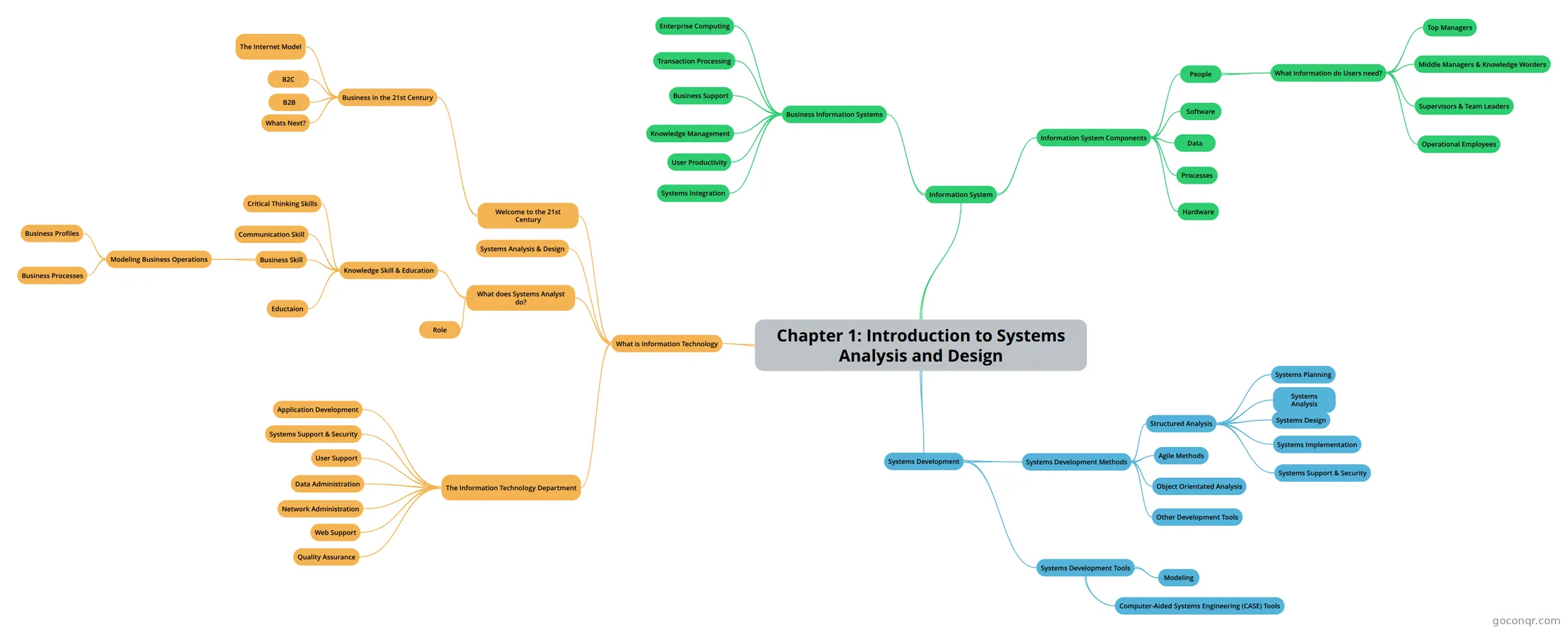 Chapter 1: Introduction to Systems Analysis and Design Phase 1 - Chapter 1 - Introduction to Systems Analysis and Design
-
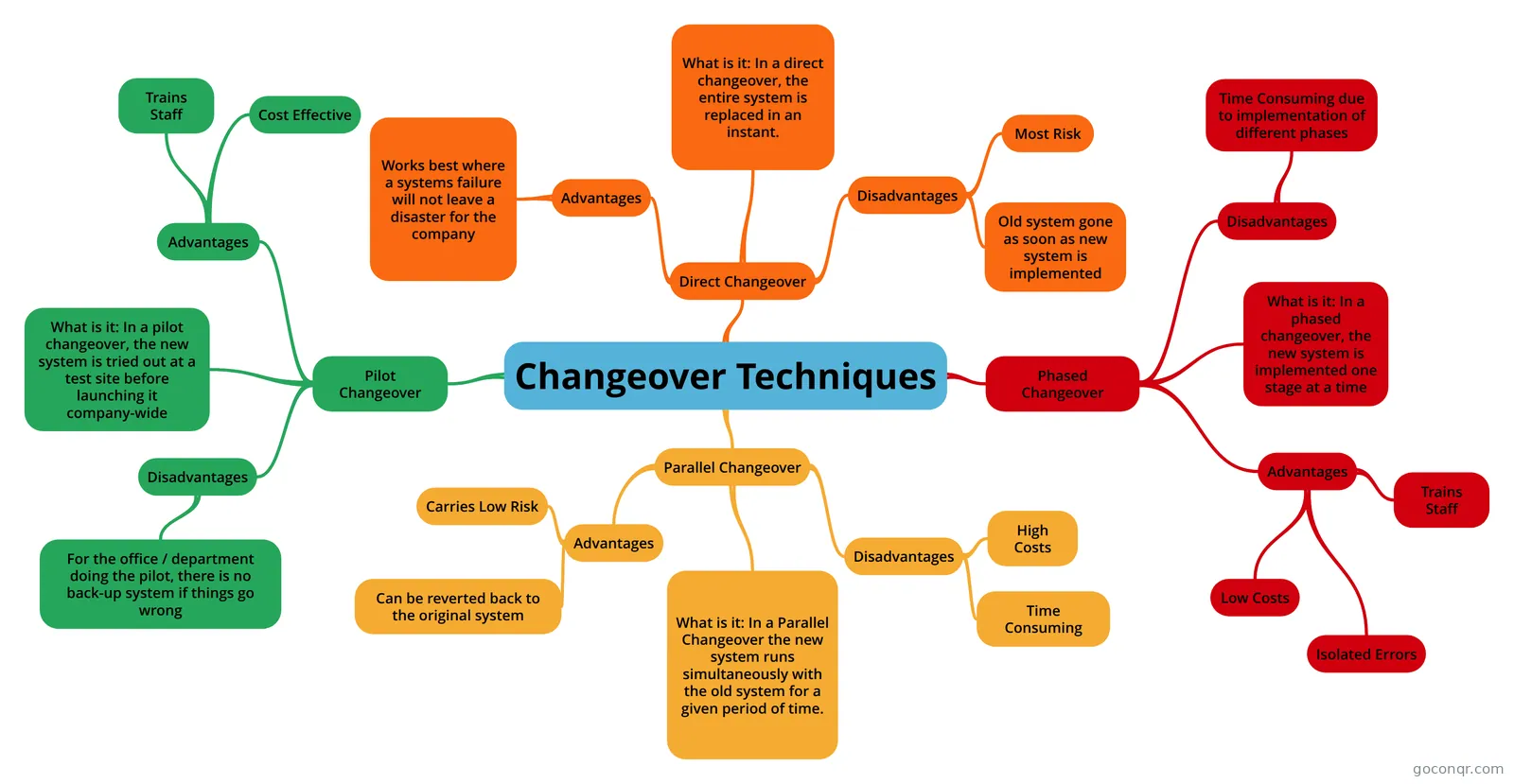 Changeover Techniques
-
A2 IT System life cycle
-
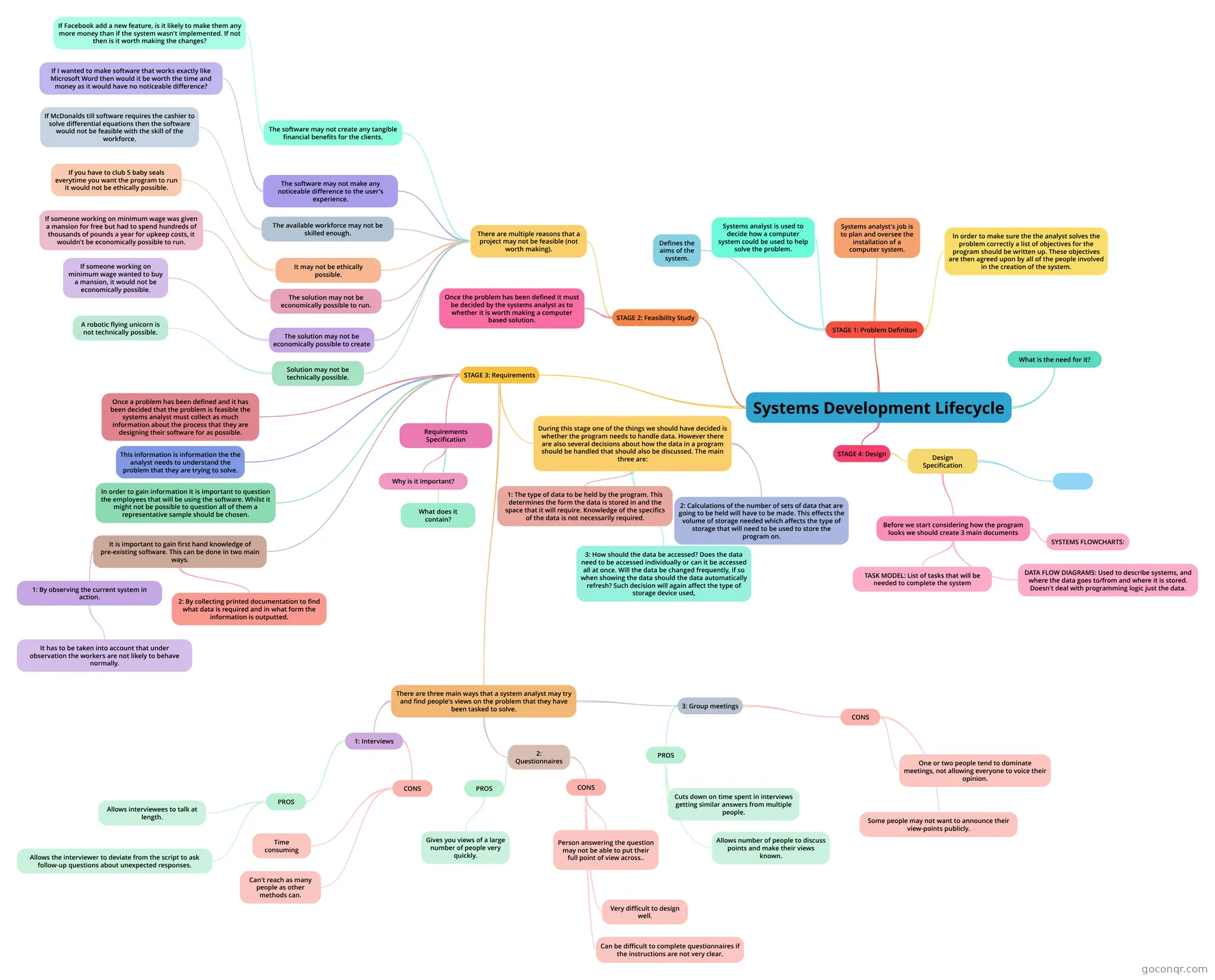 Systems Development Lifecycle
-
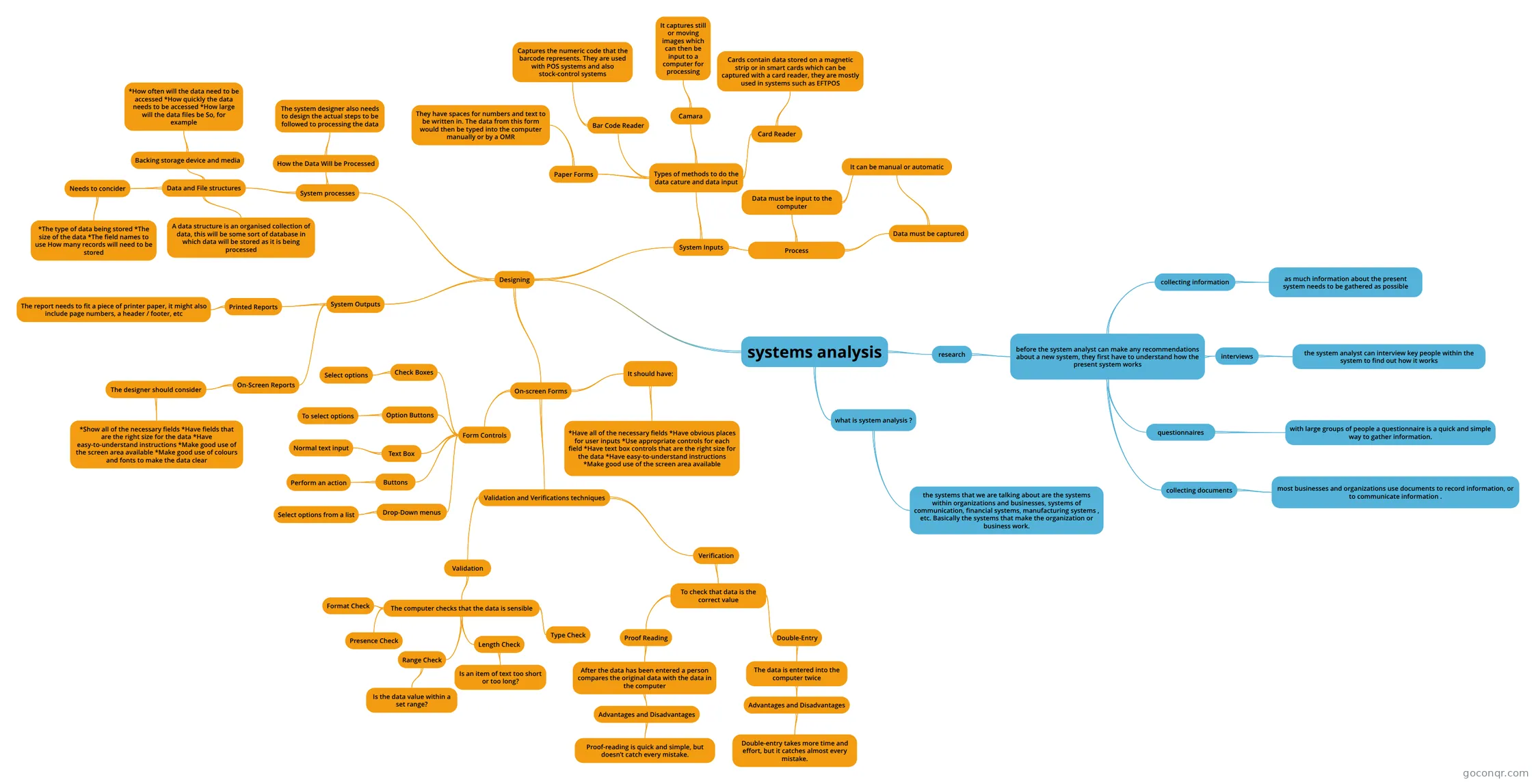 systems analysis hbrediusf iohfd
-
System Life Cycle Detailed revision material of system life cycle.
-
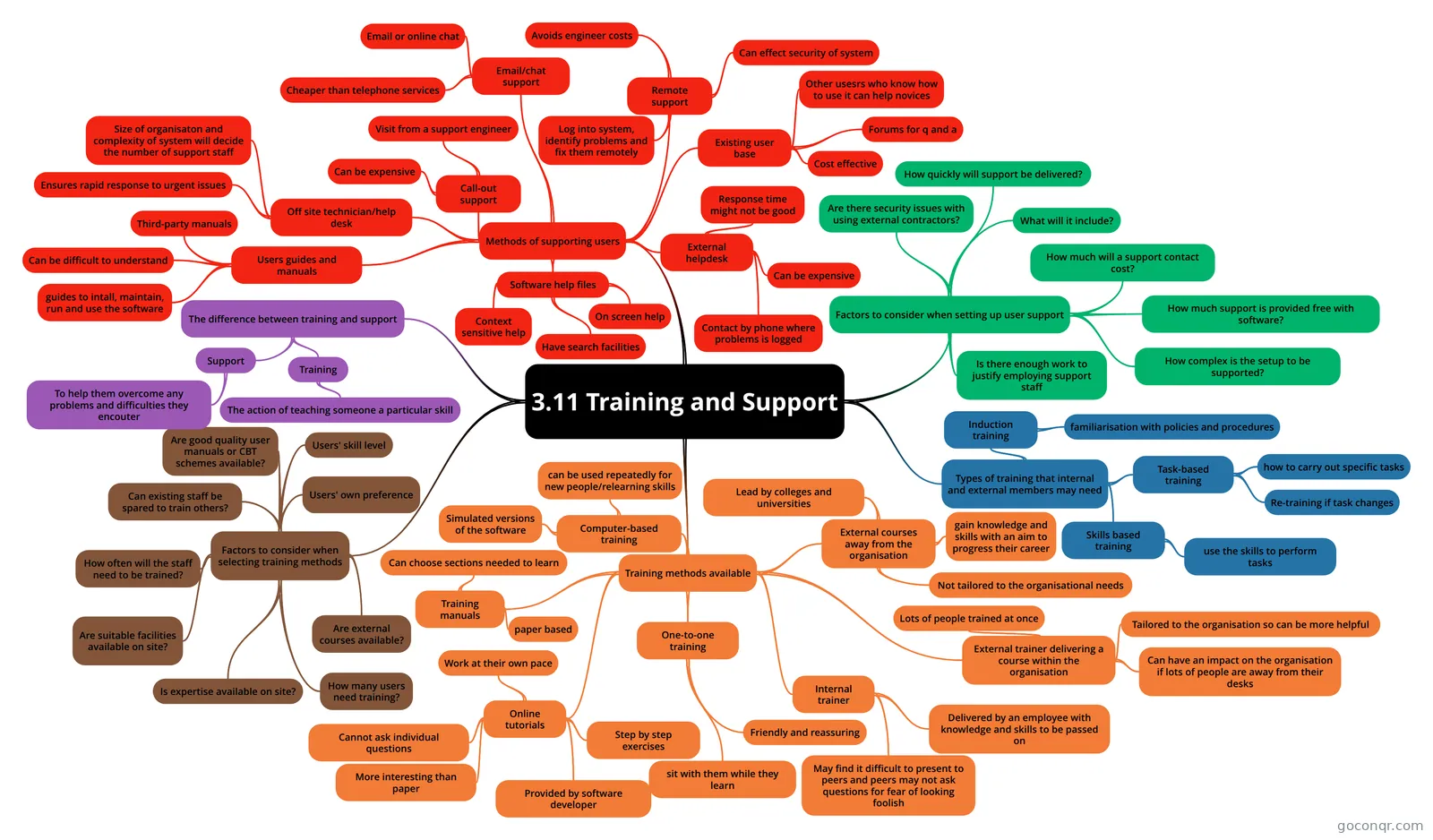 3.11 Training and Support
-
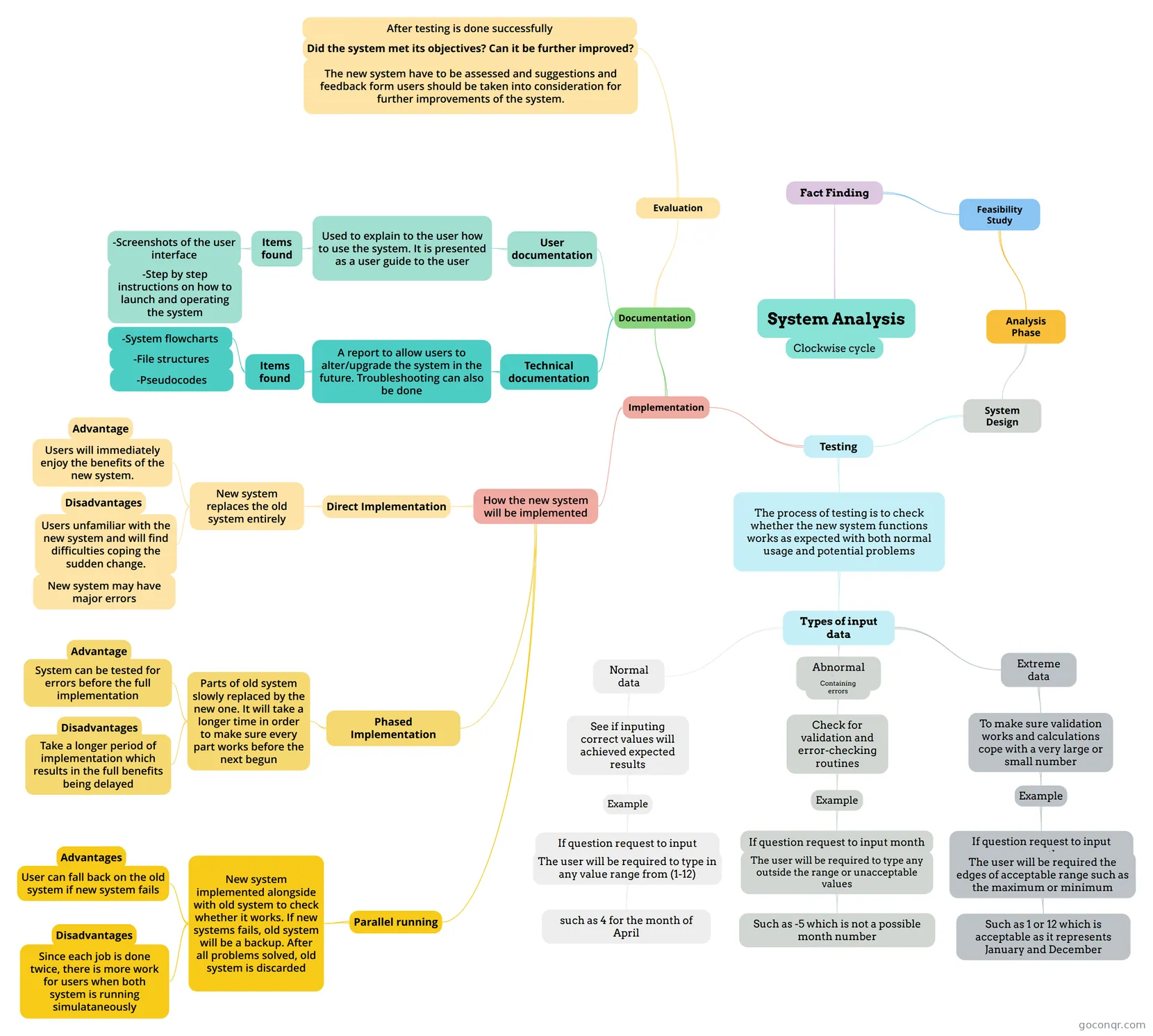 System Analysis
-
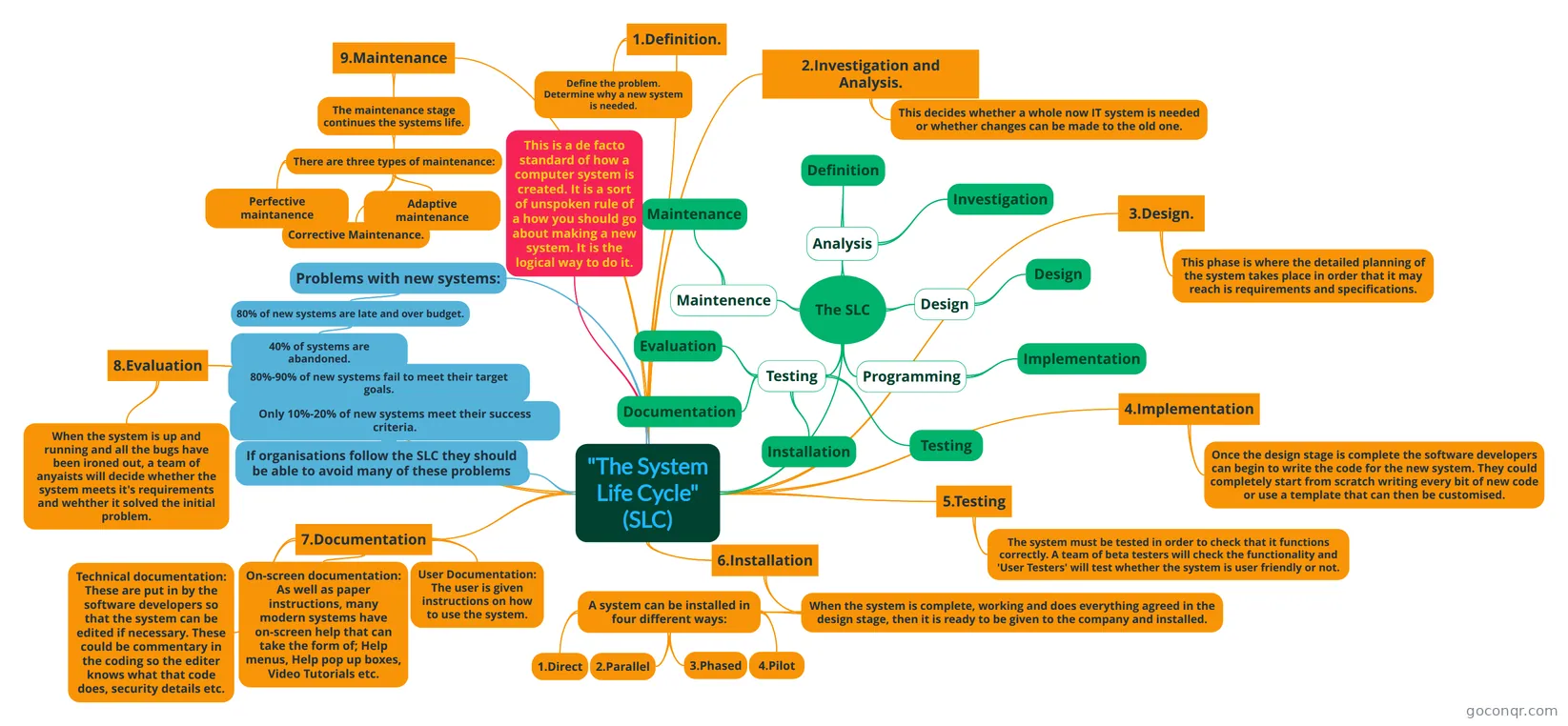 "The System Life Cycle" (SLC)
-
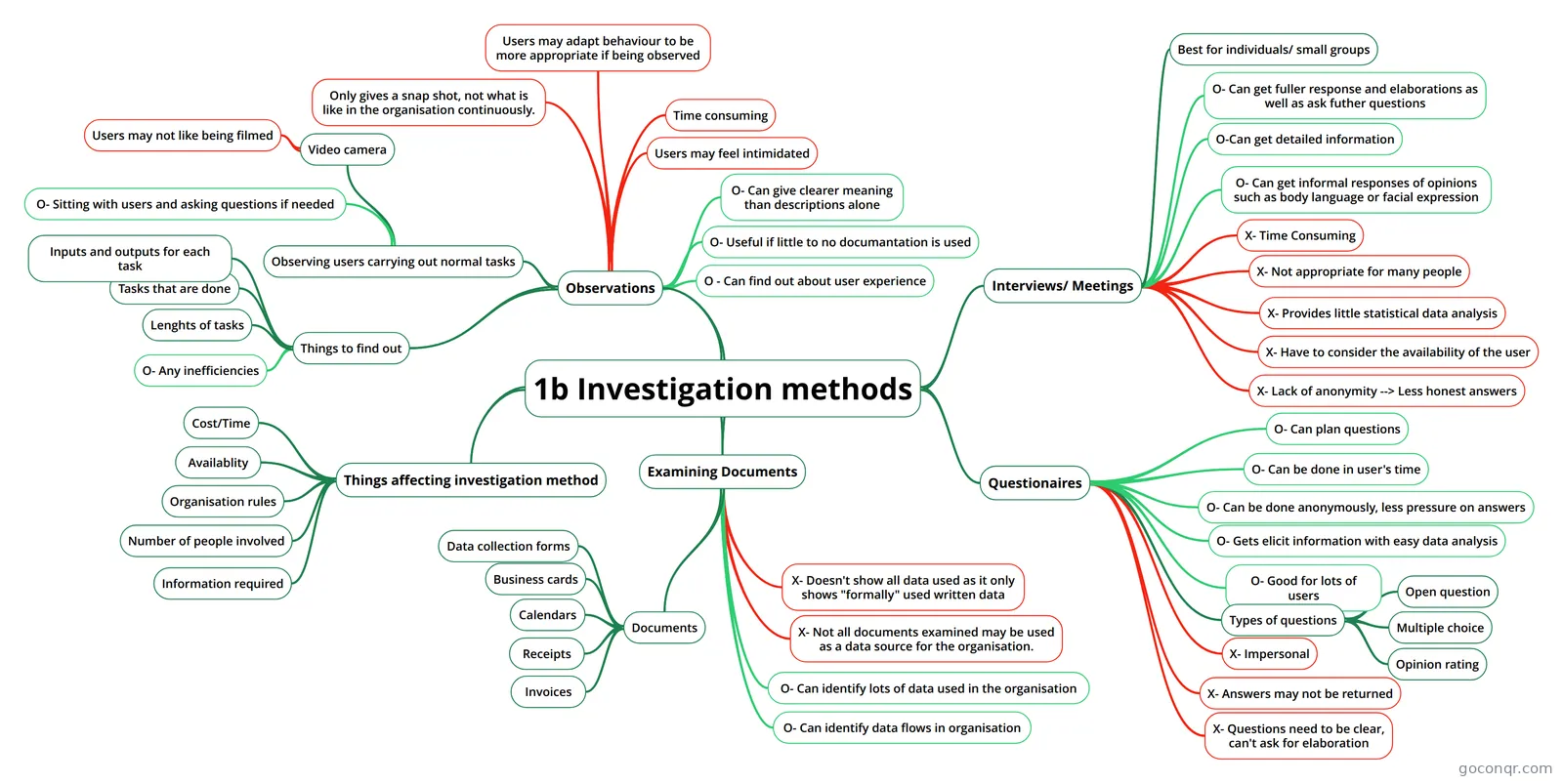 1b Investigation methods
-
5e- Installation +/-
-
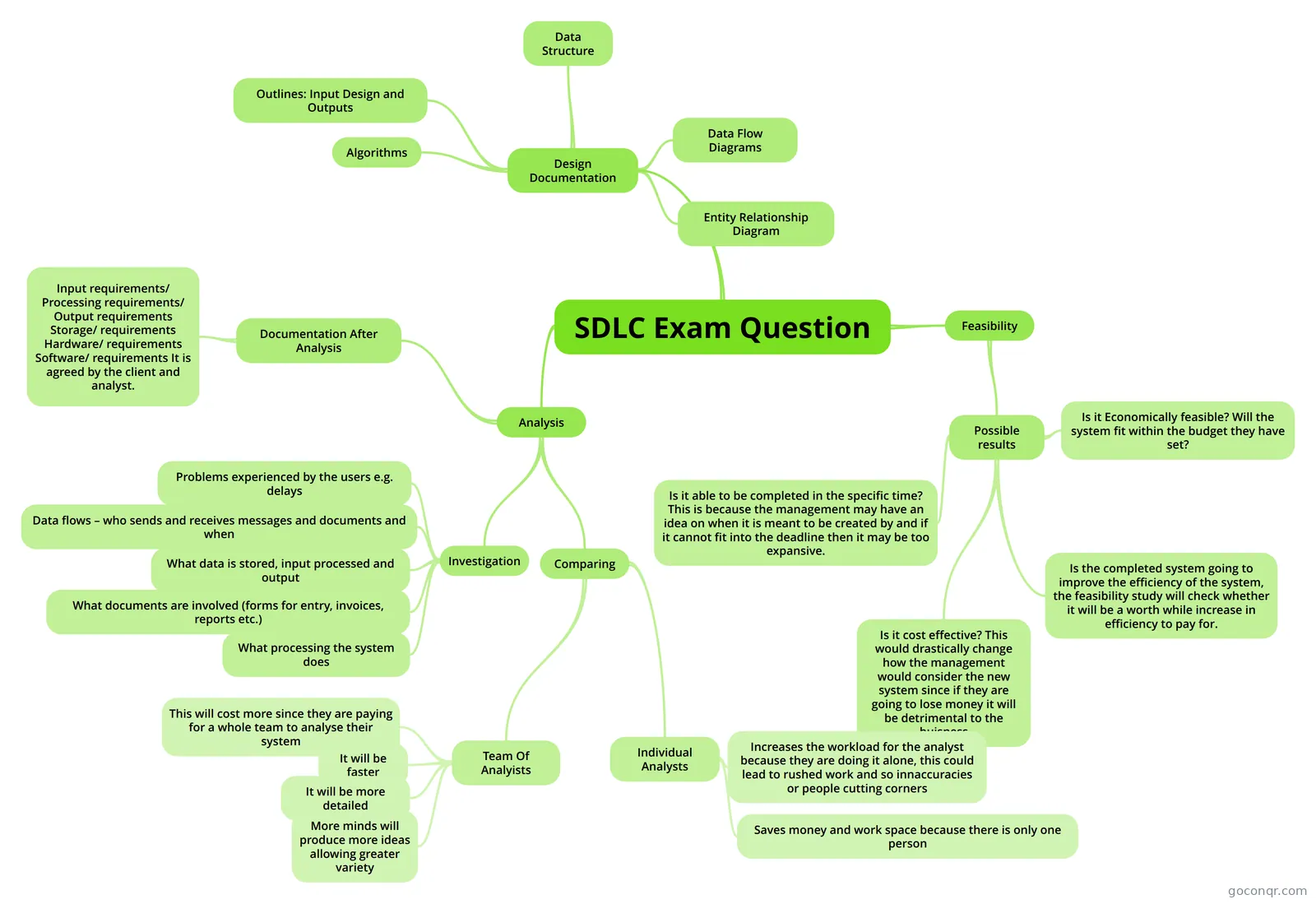 SDLC Exam Question
-
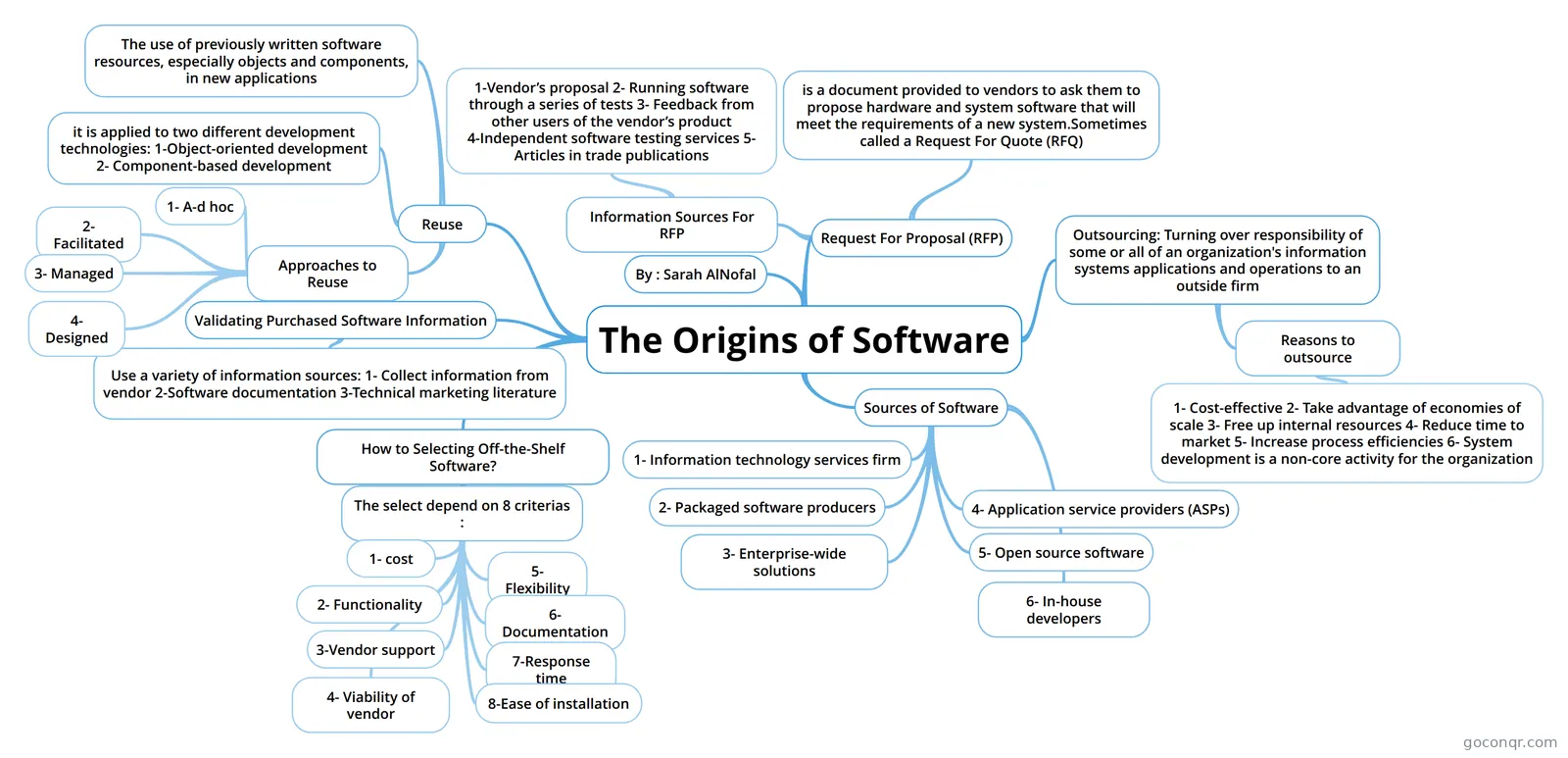 The Origins of Software
-
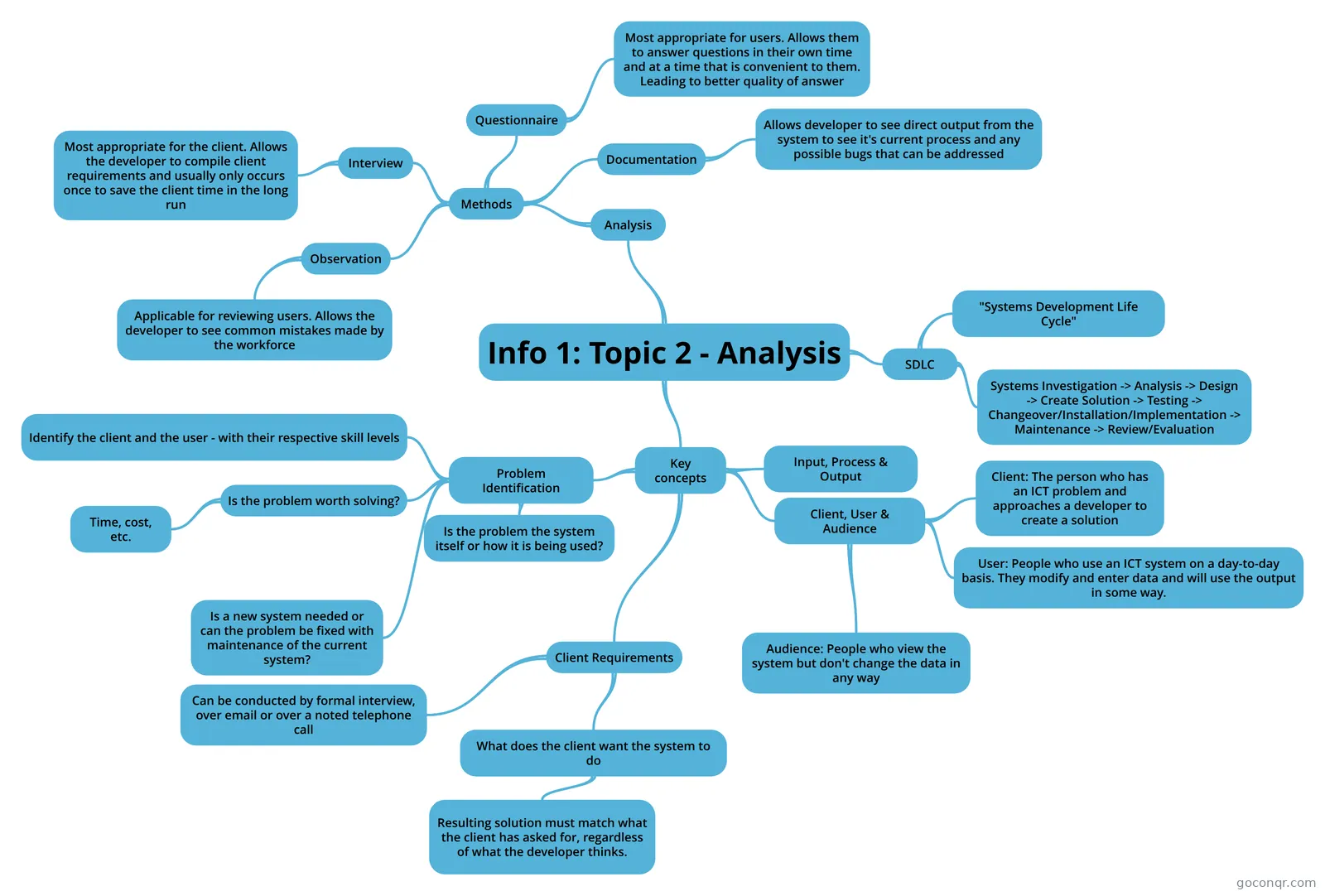 Info 1: Topic 2 - Analysis AS level ICT. Unit 1 - topic 2
-
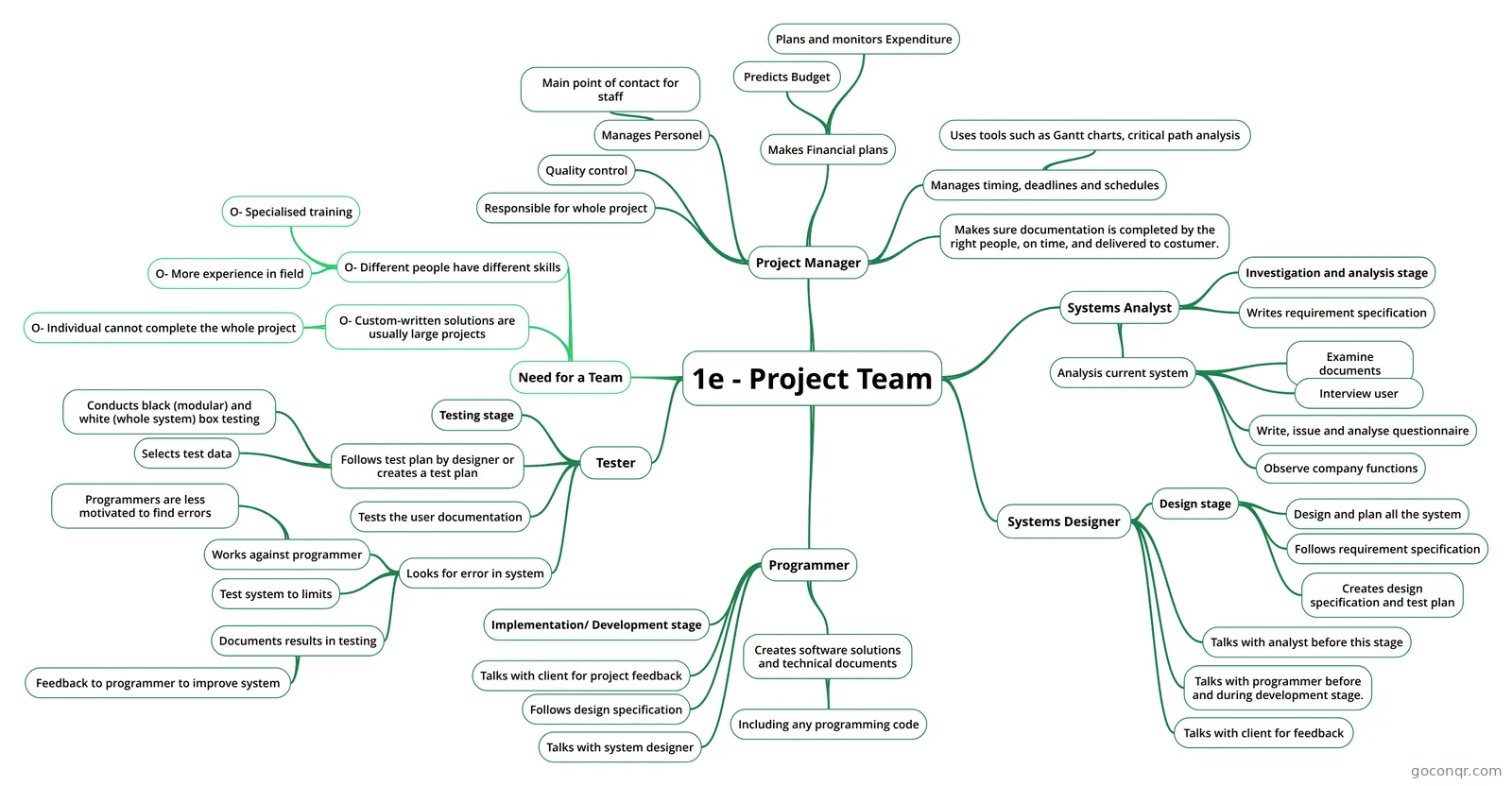 1e - Project Team
-
SYSTEM LIFE CYCLE
-
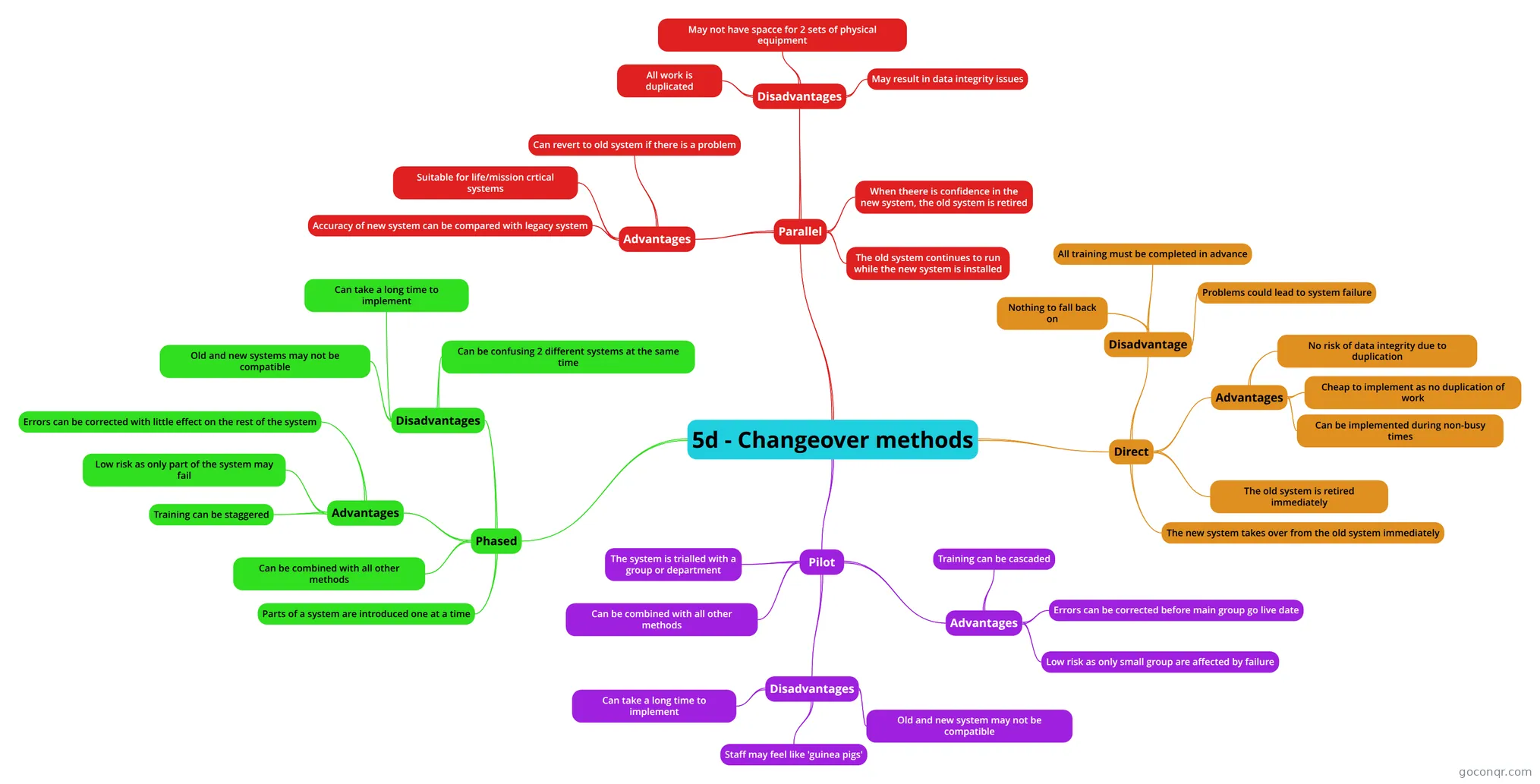 5d - Changeover methods
-
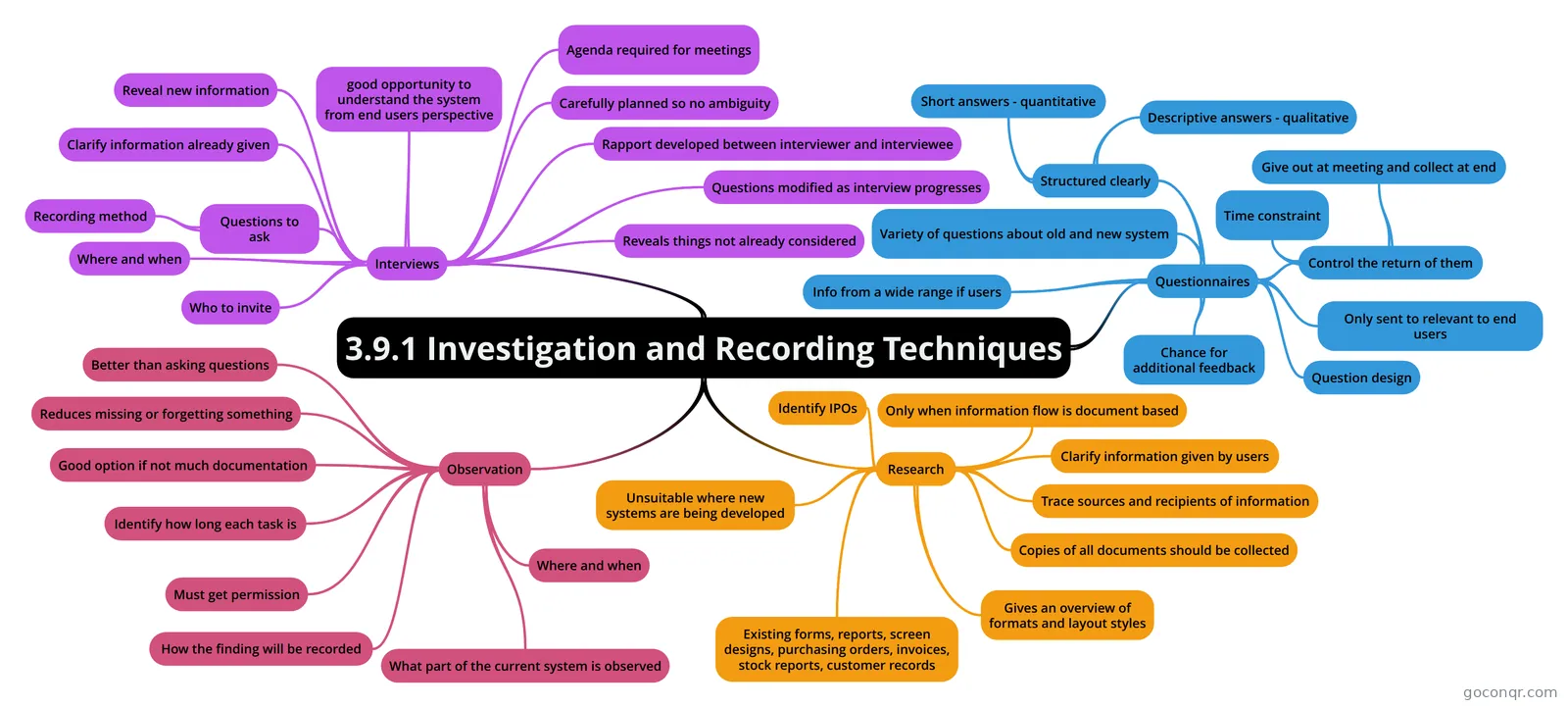 3.9.1 Investigation and Recording Techniques
-
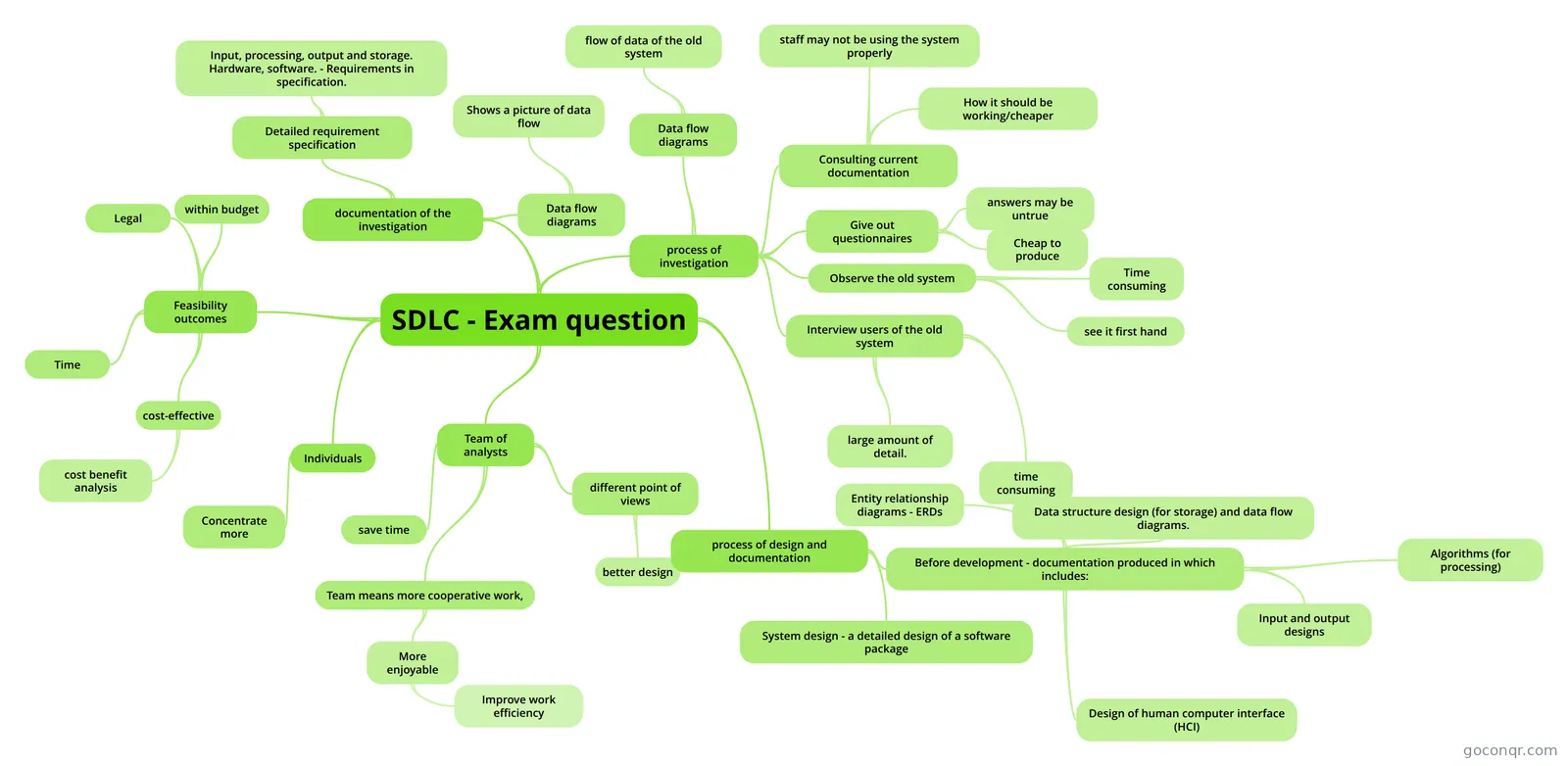 SDLC - Exam question
-
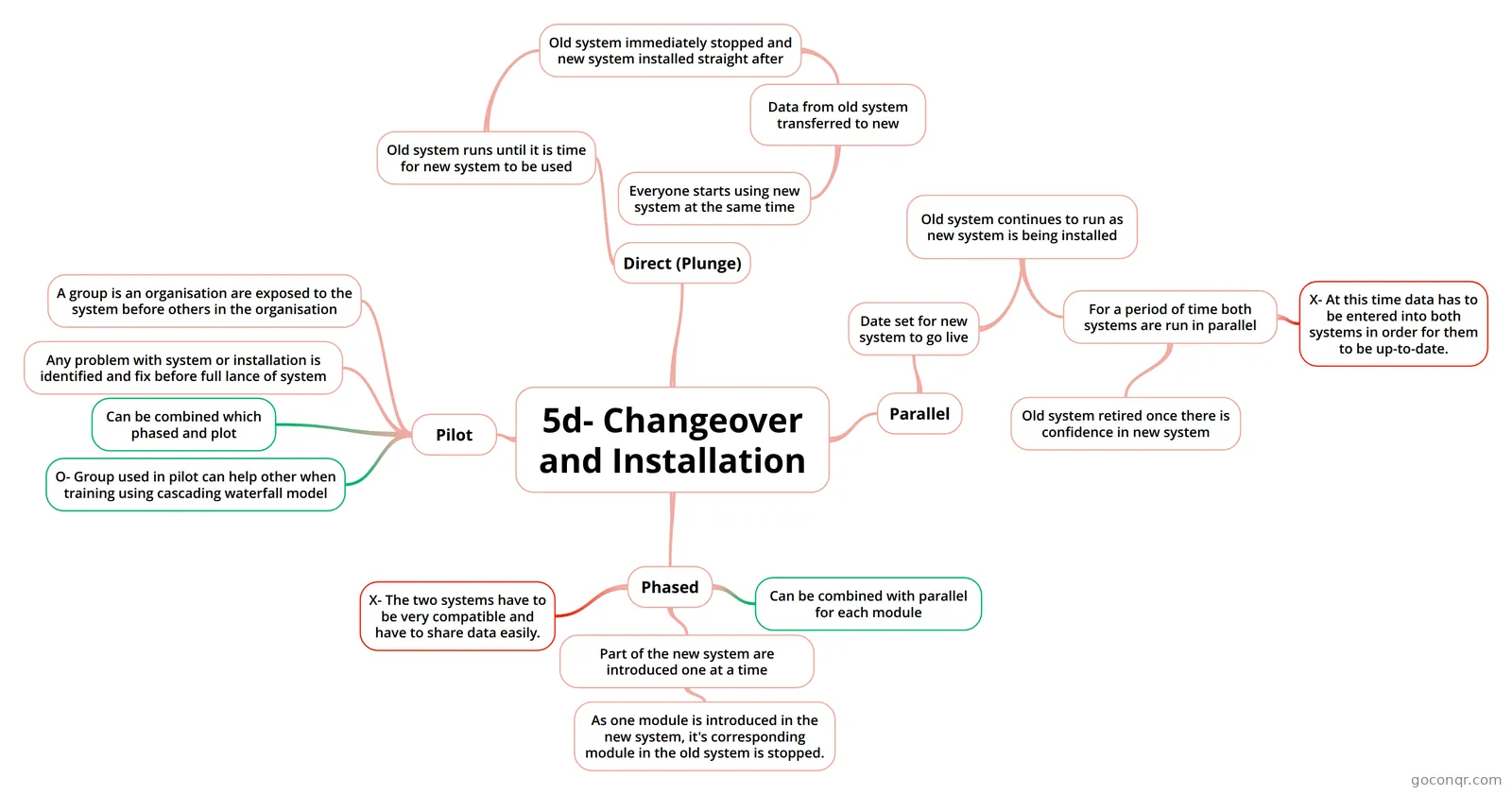 5d- Changeover and Installation
-
Techniques and tools for Systems Development.
-
5c - Decisions for upgrading/installing
-
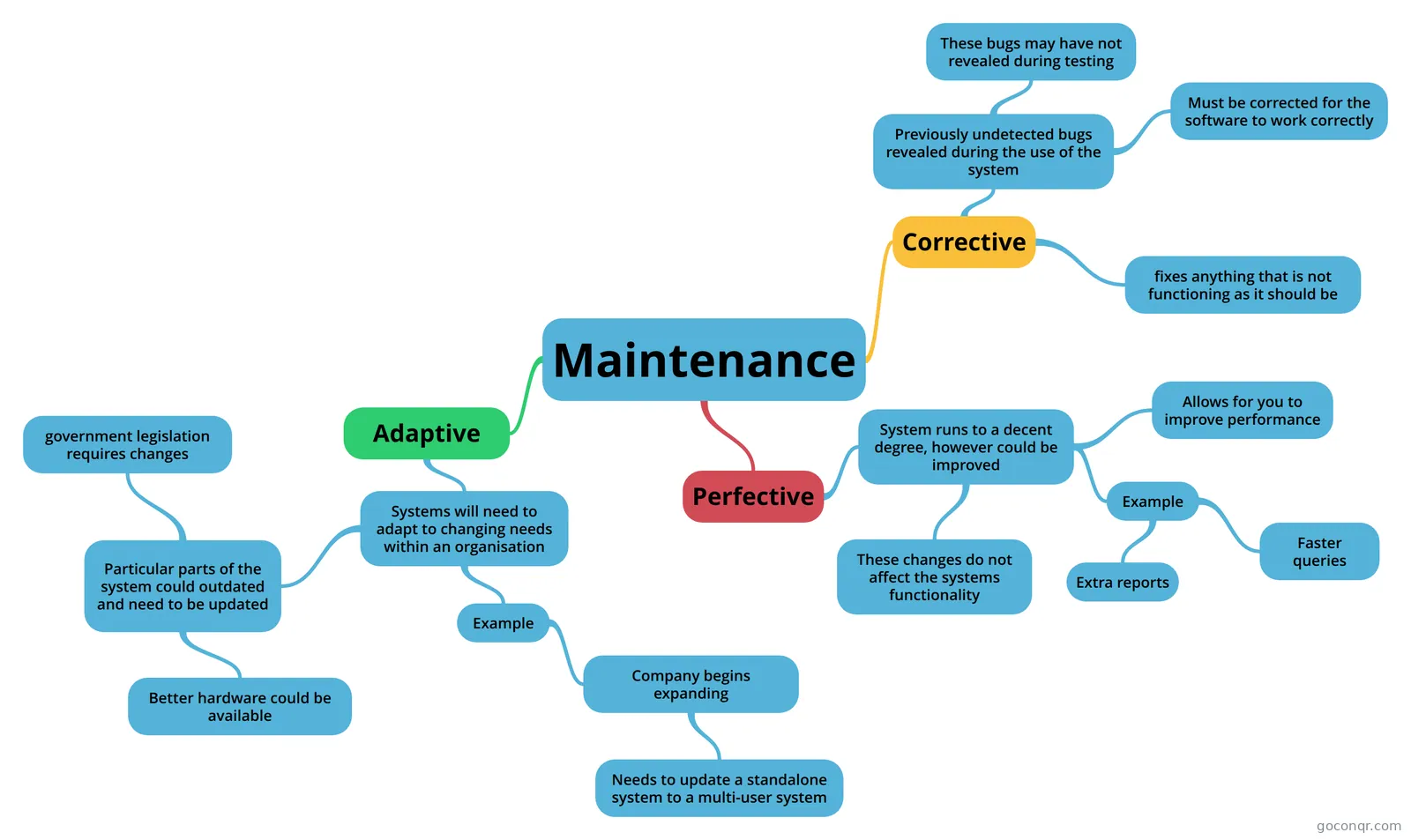 Maintenance
-
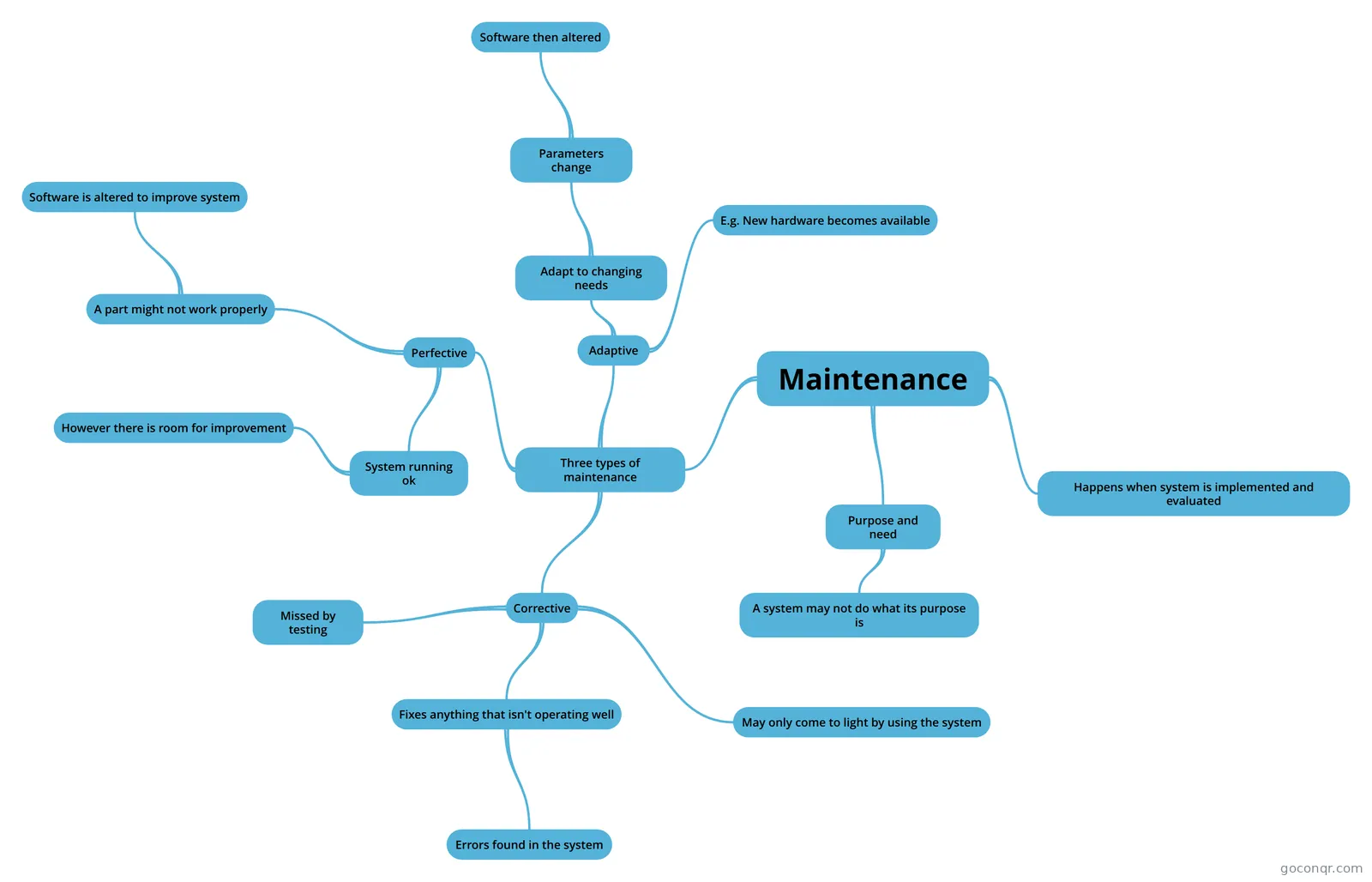 Maintenance
-
Requirements Specification This is usually
-
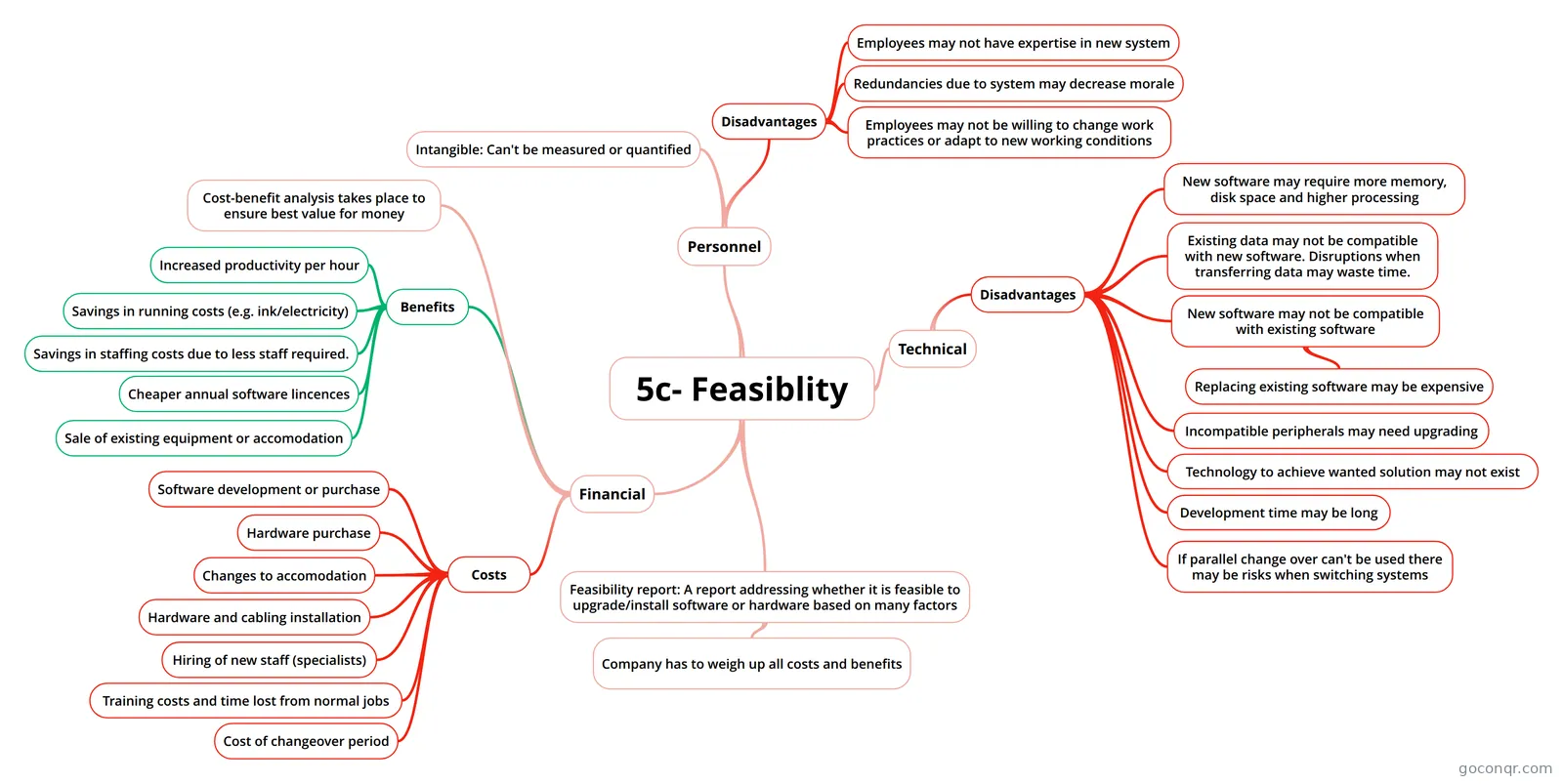 5c- Feasiblity
-
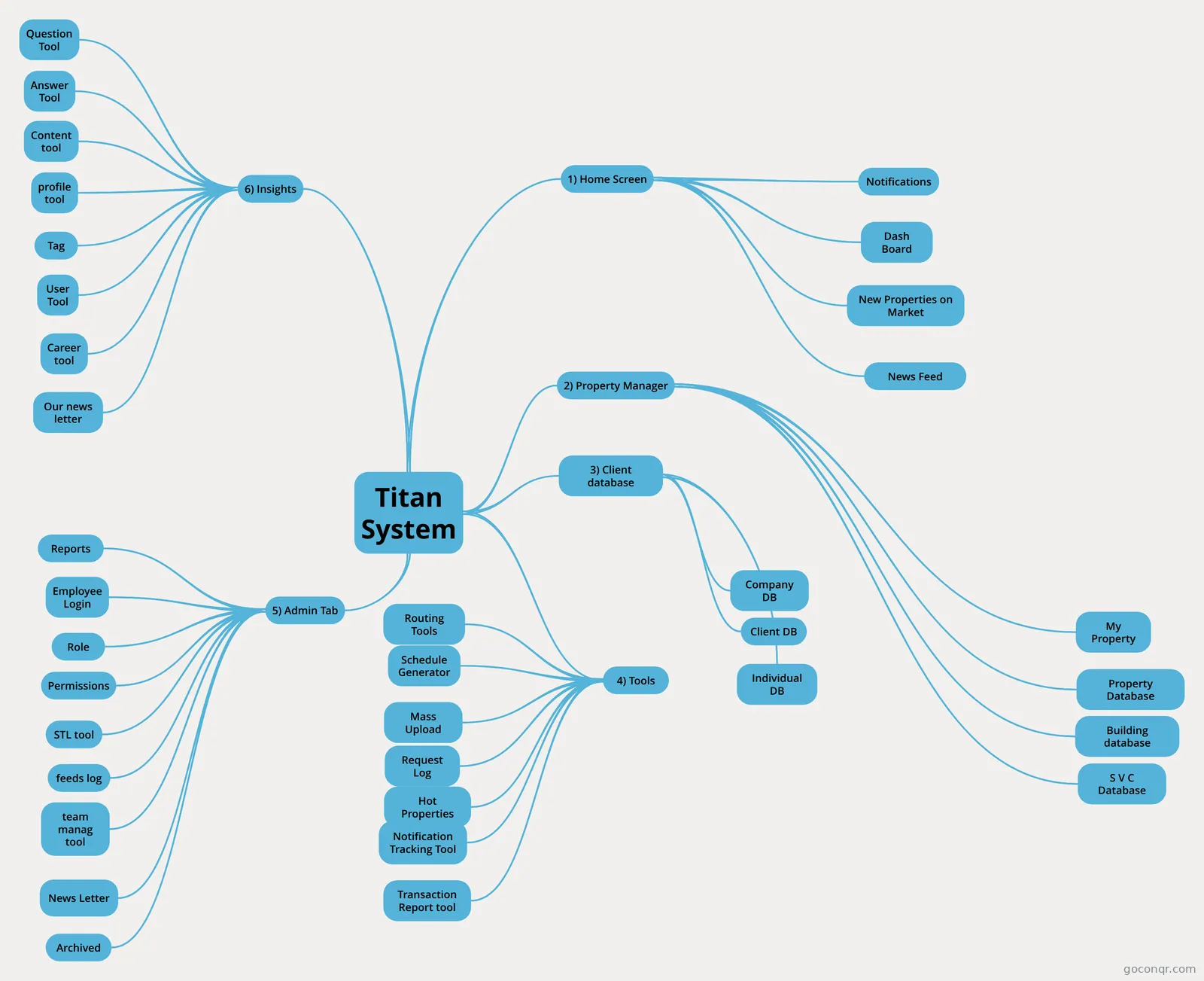 Titan System
-
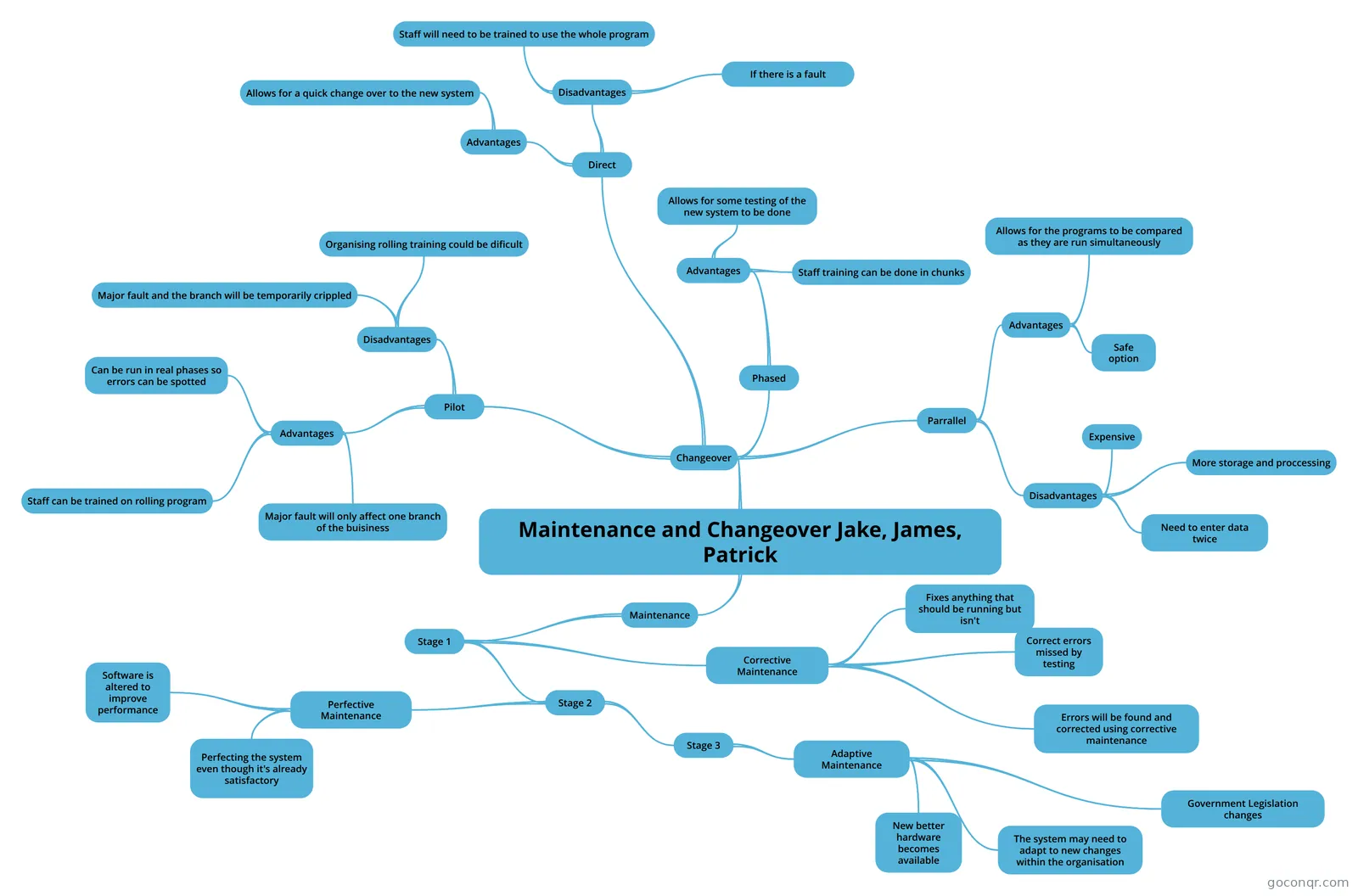 Maintenance and Changeover Jake, James, Patrick
-
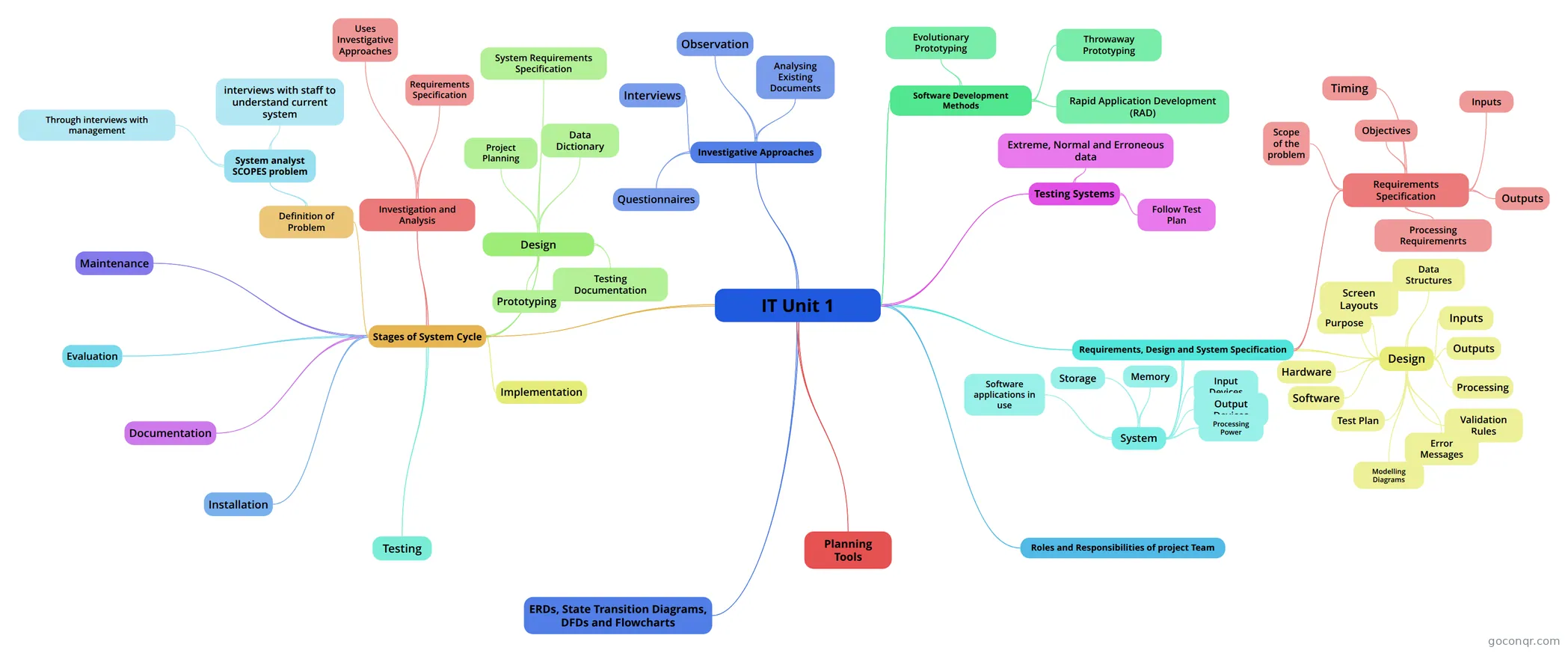 IT Unit 1 A2 G063 Unit 1 mind map
-
5a- Client Involvement
-
Systems life cycle
-
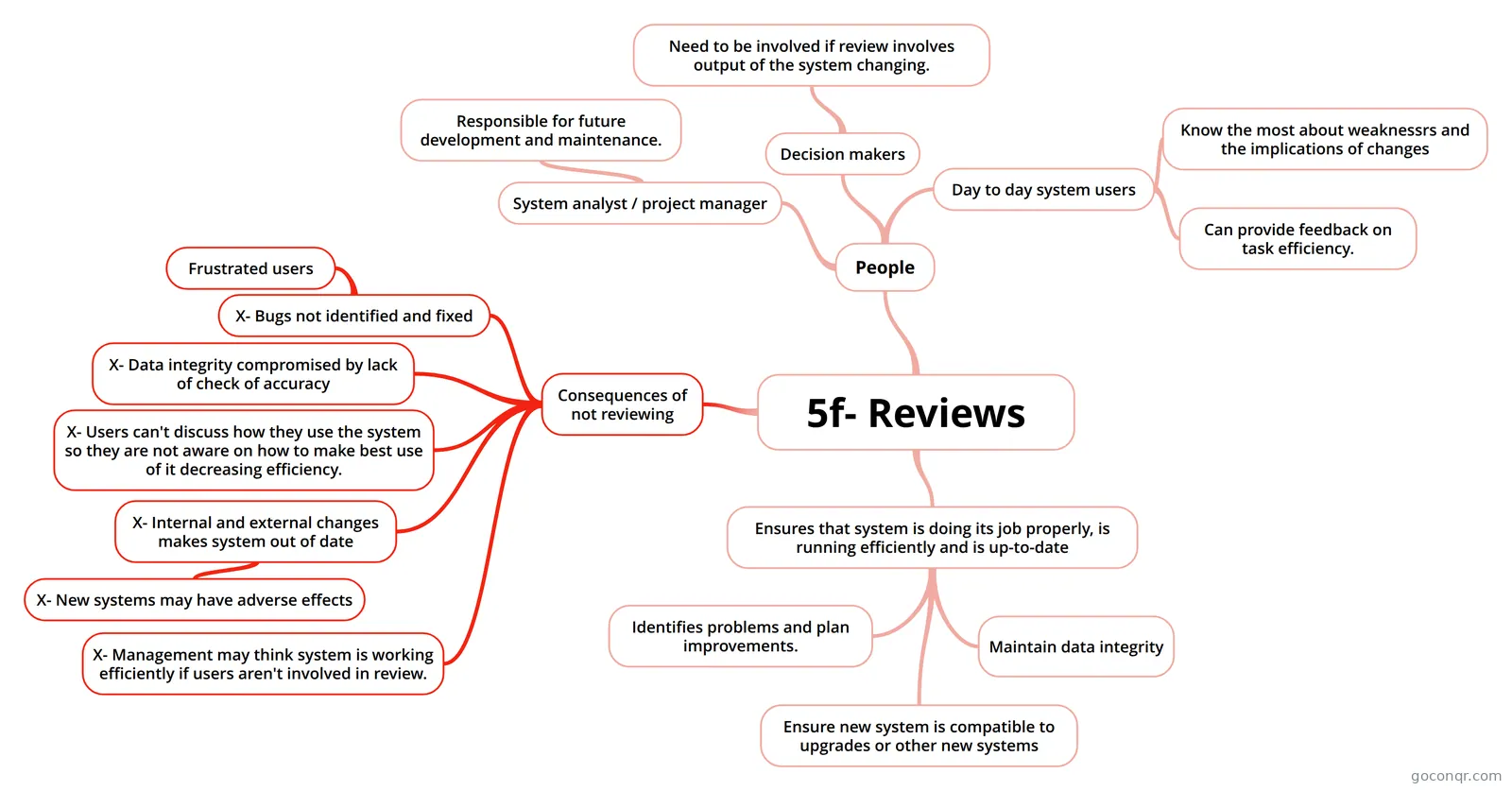 5f- Reviews
-
 Phases of the SDLC
-
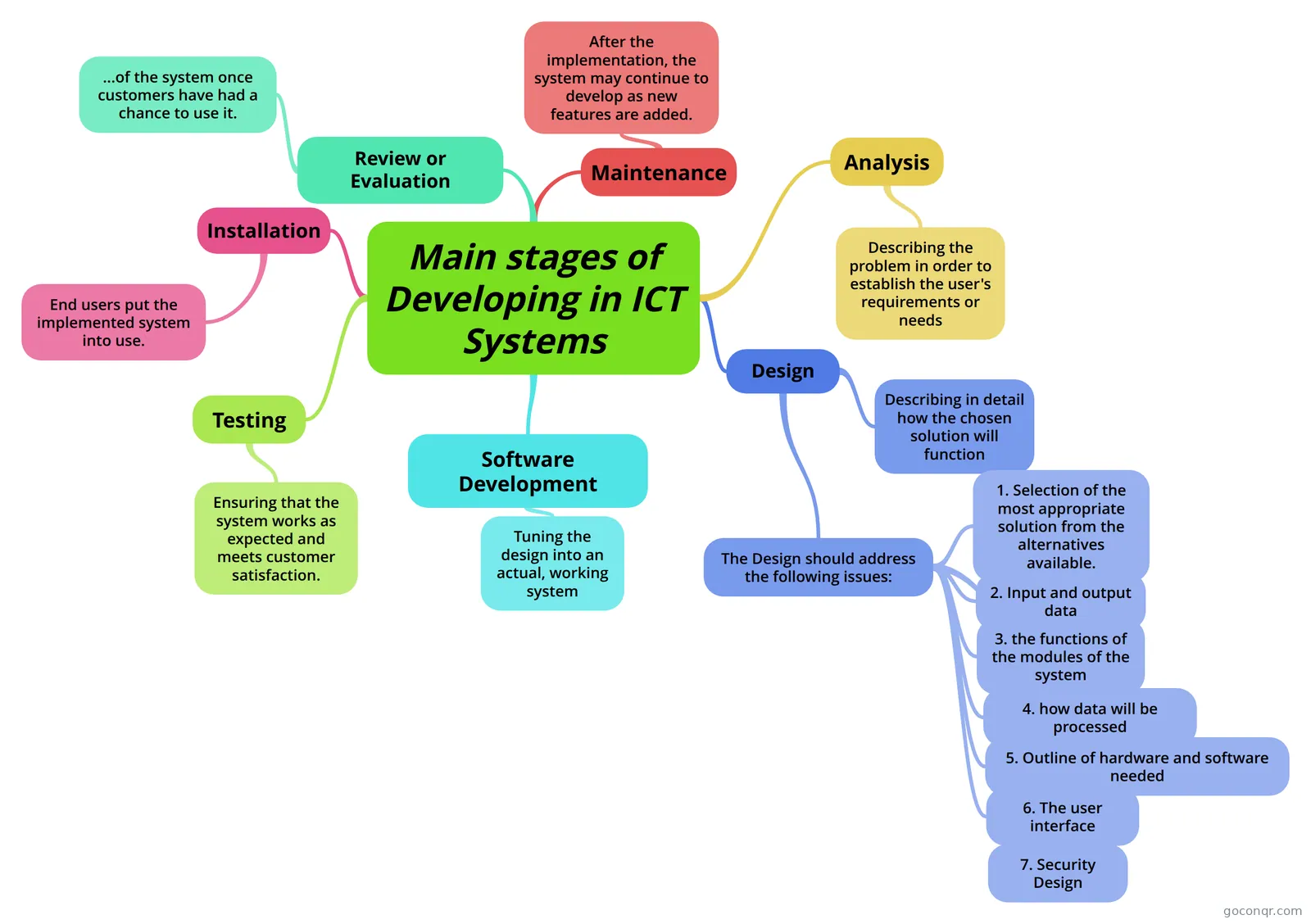 Main stages of Developing in ICT Systems
-
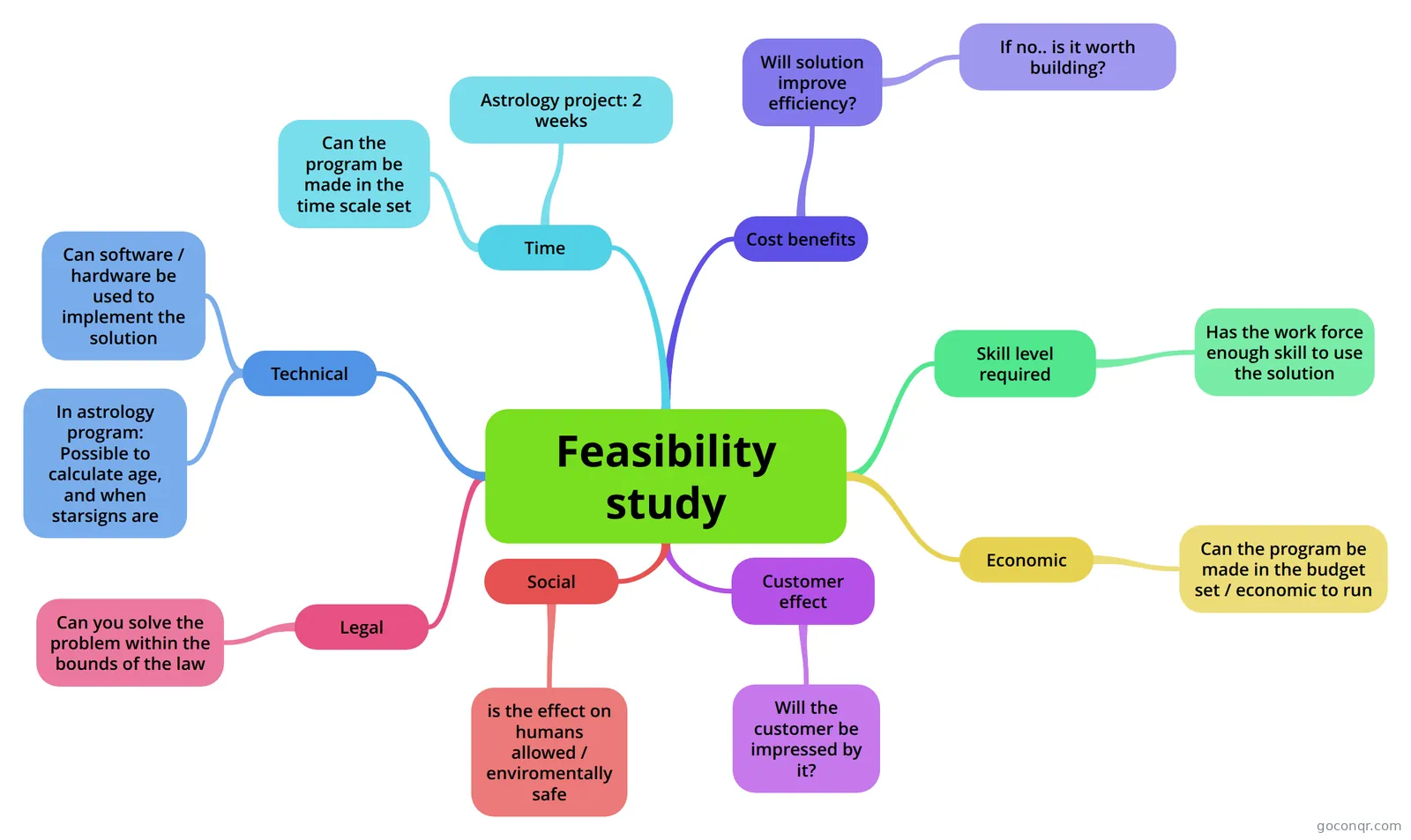 Feasibility study
-
BO63-PDC=systems lifestyle
-
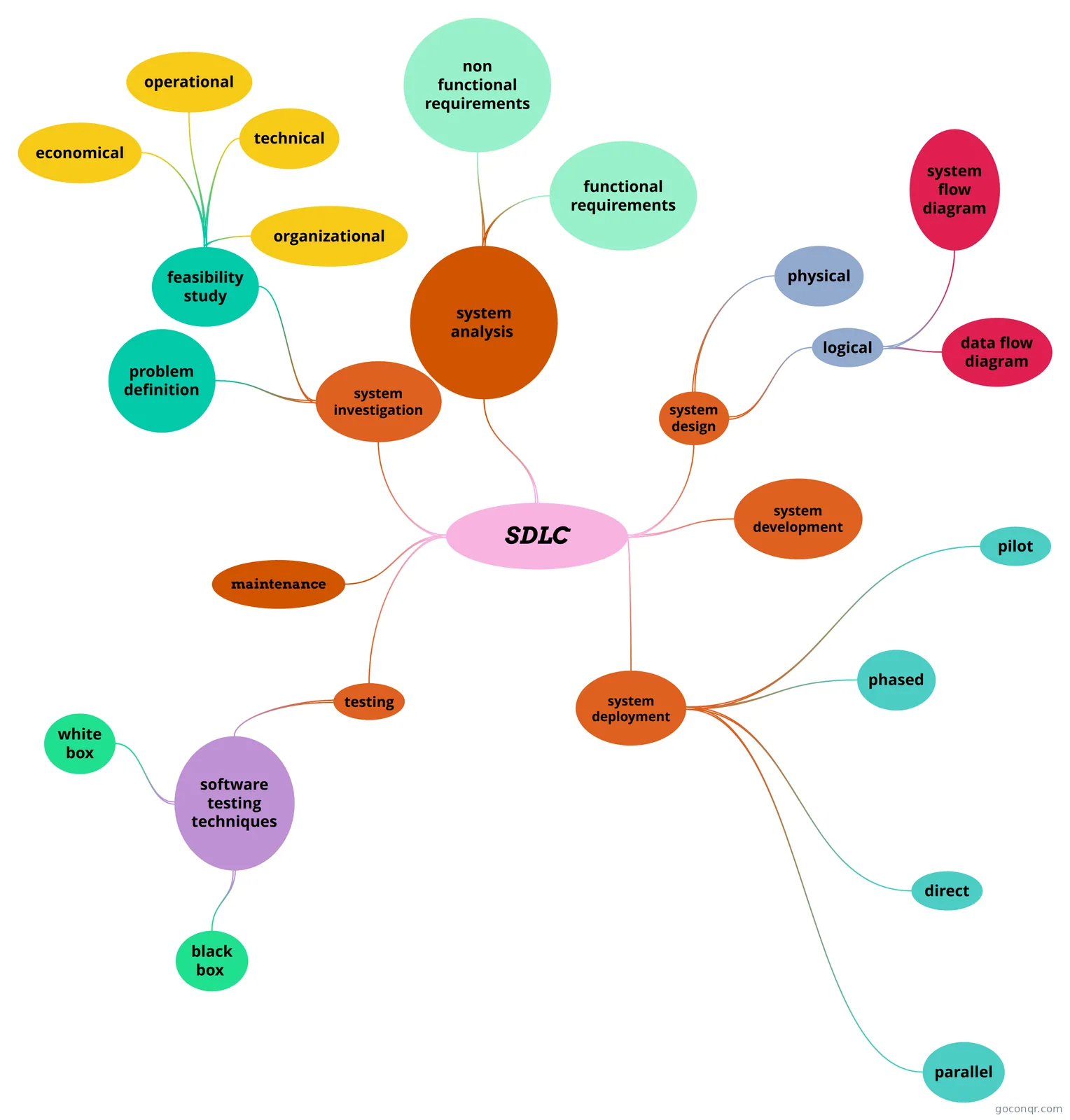 SDLC System development life cycle
-
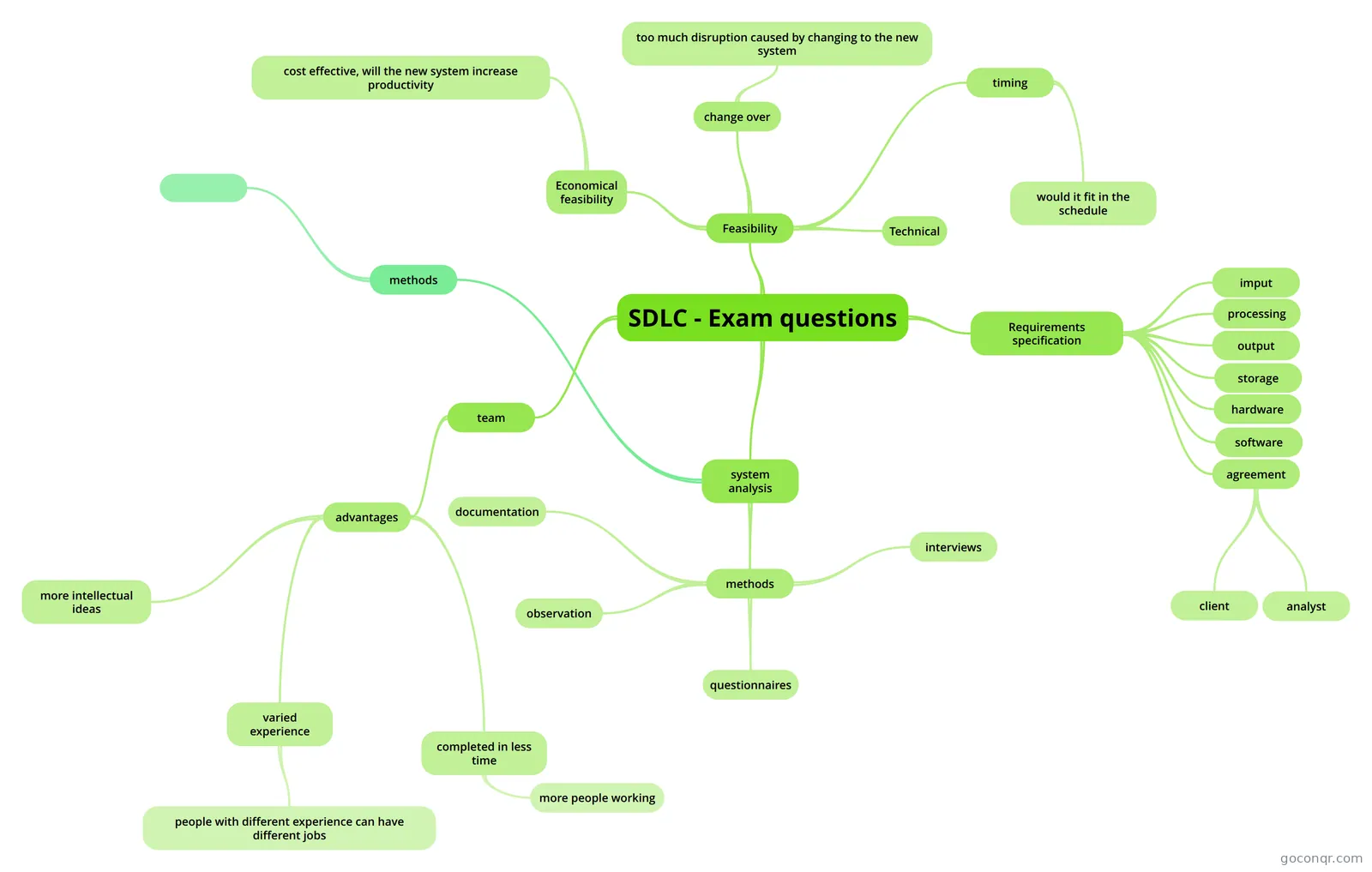 SDLC - Exam questions
-
The system cycle
More Systems Analysis and the Systems Life Cycle resources
About systems analysis and the systems life cycle mind maps
GoConqr OriginalSystems analysis and the systems life cycle mind maps
These maps present the unit as connected topics and terms. The Systems Cycle is a useful starting point because it lays out stages from investigation and analysis through to evaluation and maintenance. Its branches give you a framework for placing more focused topics.
For investigation, Investigation Methods brings together questionnaires, interviews, observation and documentation analysis. DFD Basics shows how data moves through a system, while Cost/Benefits and Feasibility introduces questions around progressing with a new system.
Revise with maps
Follow the branches of a map, then see if you can explain the connections without looking. Compare Changeover Techniques with Installation to revisit parallel running from two maps. When you want to practise definitions or check your understanding, switch to the flashcards or quizzes on the unit page. Choose a map and follow a topic that needs more attention.
Frequently asked questions
Which mind map is a good place to start?
The Systems Cycle is a useful starting point for an overview. It lays out stages including investigation and analysis, design, testing, installation and maintenance. Once you have seen the overall structure, a more focused map such as Investigation Methods can help you revisit one part.
What topics do the mind maps cover?
The maps cover topics including investigation methods, data flows, feasibility, systems development and changeover. For example, DFD Basics looks at the flow of data through a system, while Changeover Techniques includes parallel changeover. There are also maps on maintenance and system requirements.
Are the mind maps free to use?
Yes. Every resource listed here is free to open and study without an account. The maps were made by GoConqr users, not by GoConqr. A free account also lets you save quiz scores and make your own quizzes, mind maps, flashcards and notes.