
Systems Analysis and the Systems Life Cycle
98 resources created by 66 users
This Systems Analysis and the Systems Life Cycle page on GoConqr gathers community-made quizzes, mind maps, flashcards, notes and slides, from data flow diagrams and use cases to changeover techniques and maintenance. It's built for school students revising a topic, university students and professional candidates filling gaps, and teachers after ready-made material. There are over 800 resources here, including more than 50 quizzes, over 600 mind maps and more than 100 flashcard decks. Pick a topic, try a quiz to find your gaps, then make your own revision sets.
Top Systems Analysis and the Systems Life Cycle resources
-
155 questionsIS321 Most firms give their IT budgets a low priority in good economic times.
-
75 questionsChapter 9 In order to determine the human information requirements using a decision analysis strategy, what must the ...
-
47 cardsChapter 6 – Essentials of Design and the Design Activities Chapter 6 – Essentials of Design and the Design Activities
-
51 cardsChapter 3 : Use Cases Use cases
-
42 cardsChapter 2 : Key Terms & Definitions List and briefly describe the five activities of systems analysis.
-
35 questionsChapter 6 (Multiple Choice) 1) Which prototype includes only some, but not all, of the components of the final system?
-
13 questionsScaling Systems from Zero to Millions of Users What is the role of DNS in the request flow to a web application?
-
12 questionsData Flow Diagrams What does this symbol represent?
Quizzes
See all 22 quizzes-
155 questionsIS321 Most firms give their IT budgets a low priority in good economic times.
-
75 questionsChapter 9 In order to determine the human information requirements using a decision analysis strategy, what must the ...
-
35 questionsChapter 6 (Multiple Choice) 1) Which prototype includes only some, but not all, of the components of the final system?
-
13 questionsScaling Systems from Zero to Millions of Users What is the role of DNS in the request flow to a web application?
-
12 questionsData Flow Diagrams What does this symbol represent?
-
37 questionsChapter 15 (Multiple Choice) 1) The systems analyst can support accurate data entry through achievement of all these broad objectives ex...
-
35 questionsChapter 1 (Multiple Choice) 1) Which of these software packages are not open source software (OSS)?
-
35 questionsChapter 5 (Multiple Choice) 1) Which of the following is a reason why a systems analyst would want perform sampling?
Mind maps
See all 45 mind maps-
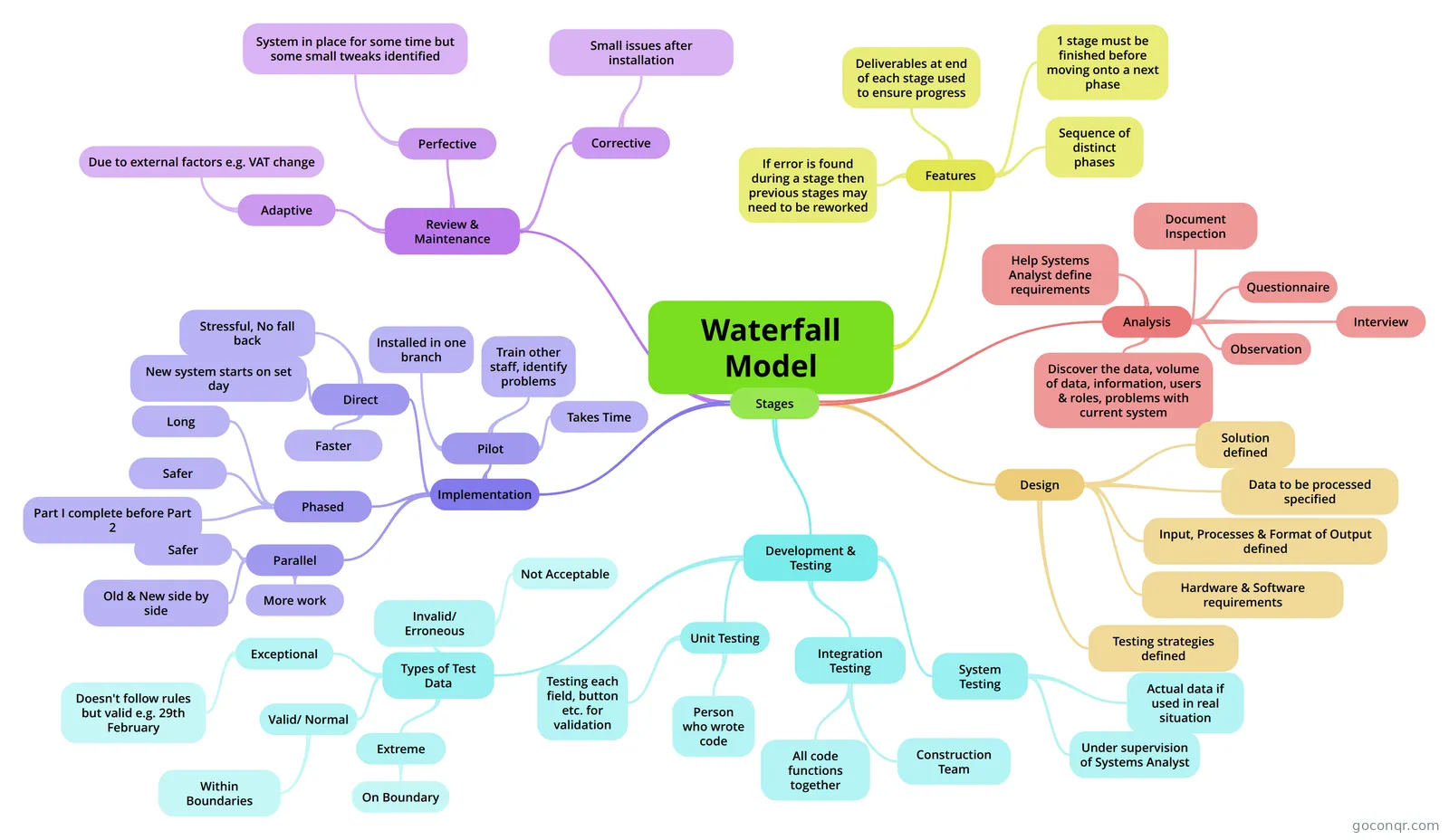 Waterfall Model
-
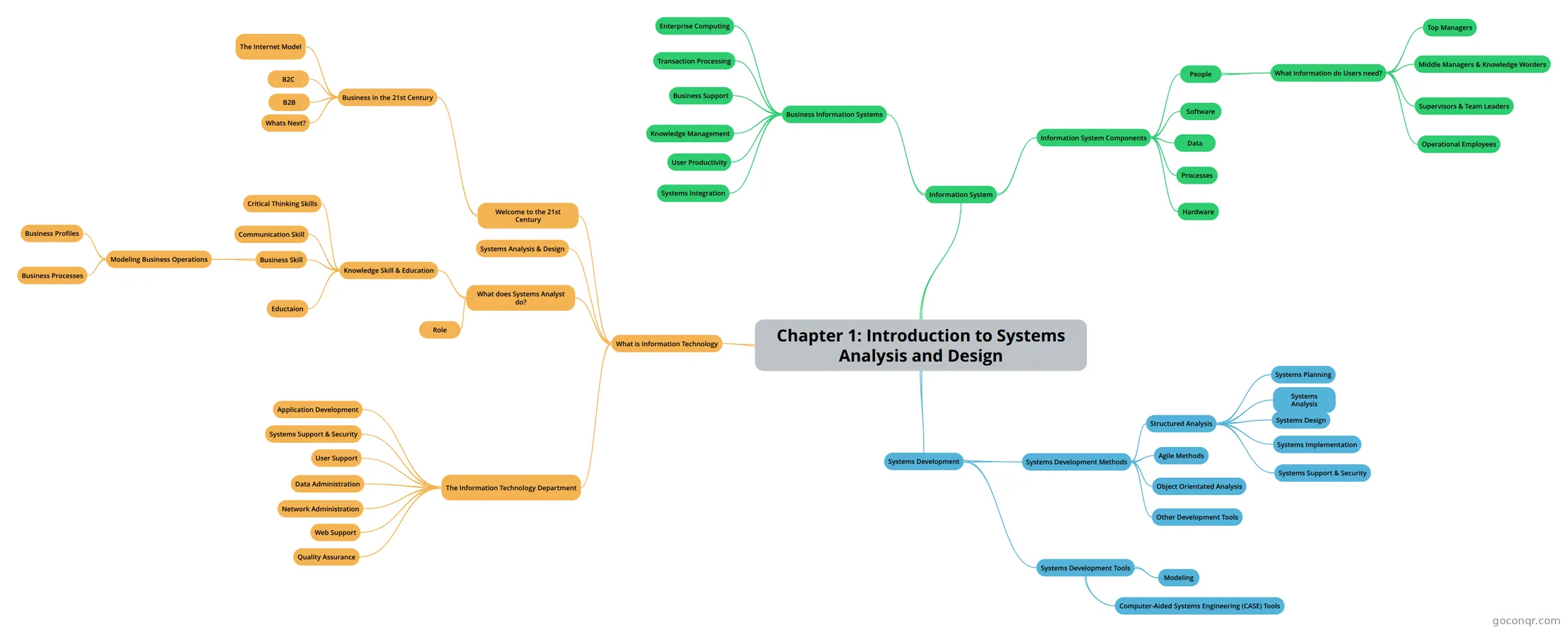 Chapter 1: Introduction to Systems Analysis and Design Phase 1 - Chapter 1 - Introduction to Systems Analysis and Design
-
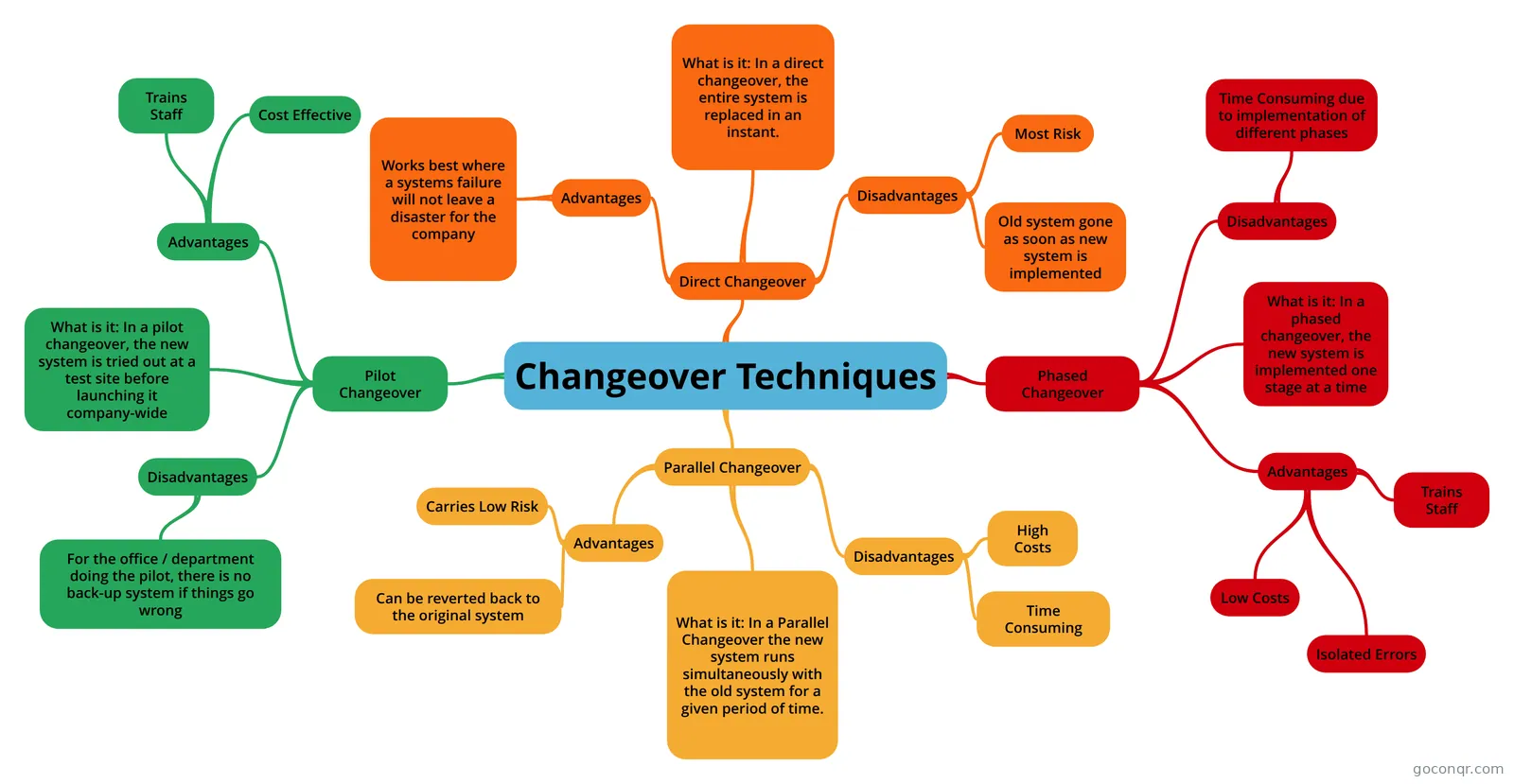 Changeover Techniques
-
A2 IT System life cycle
-
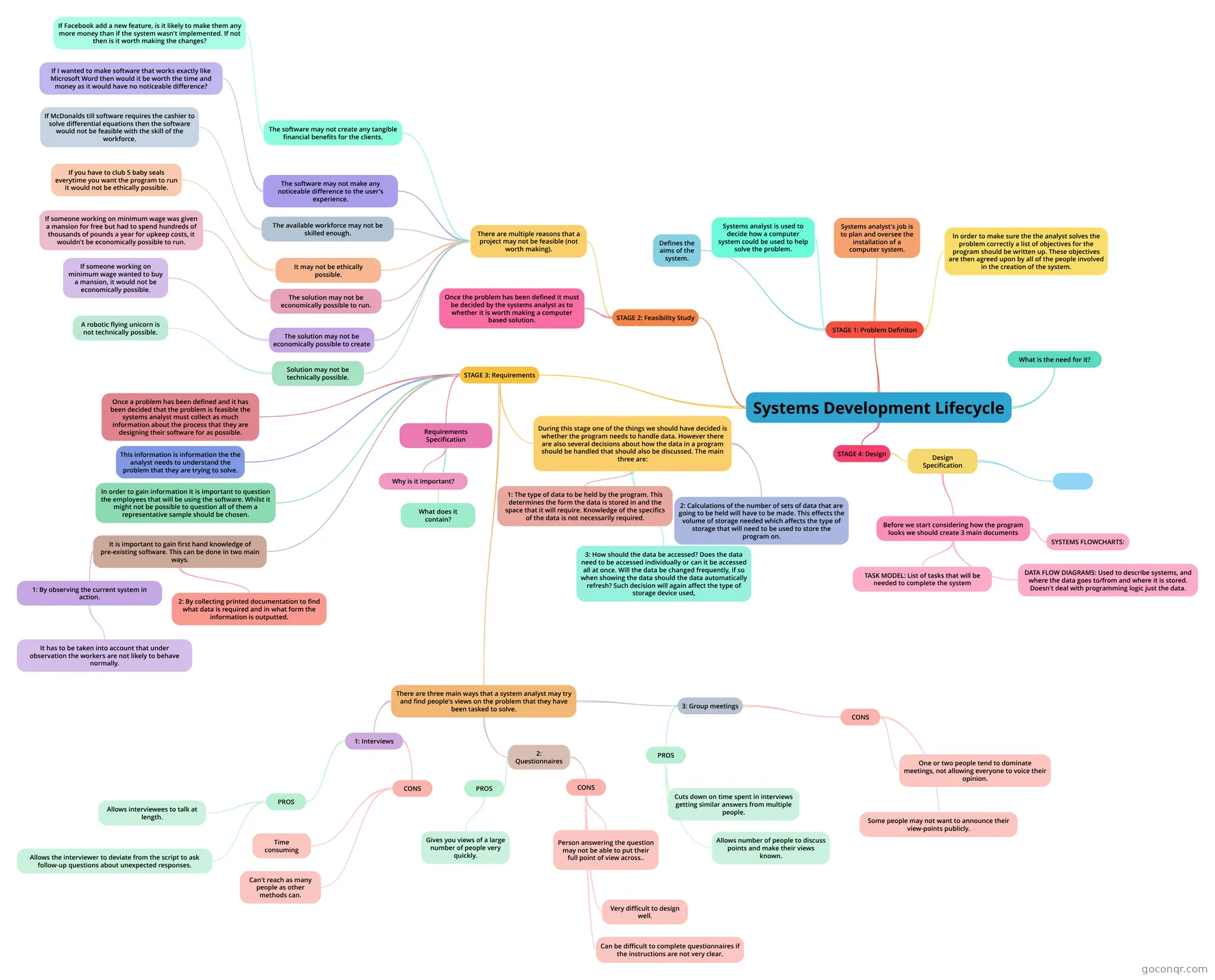 Systems Development Lifecycle
-
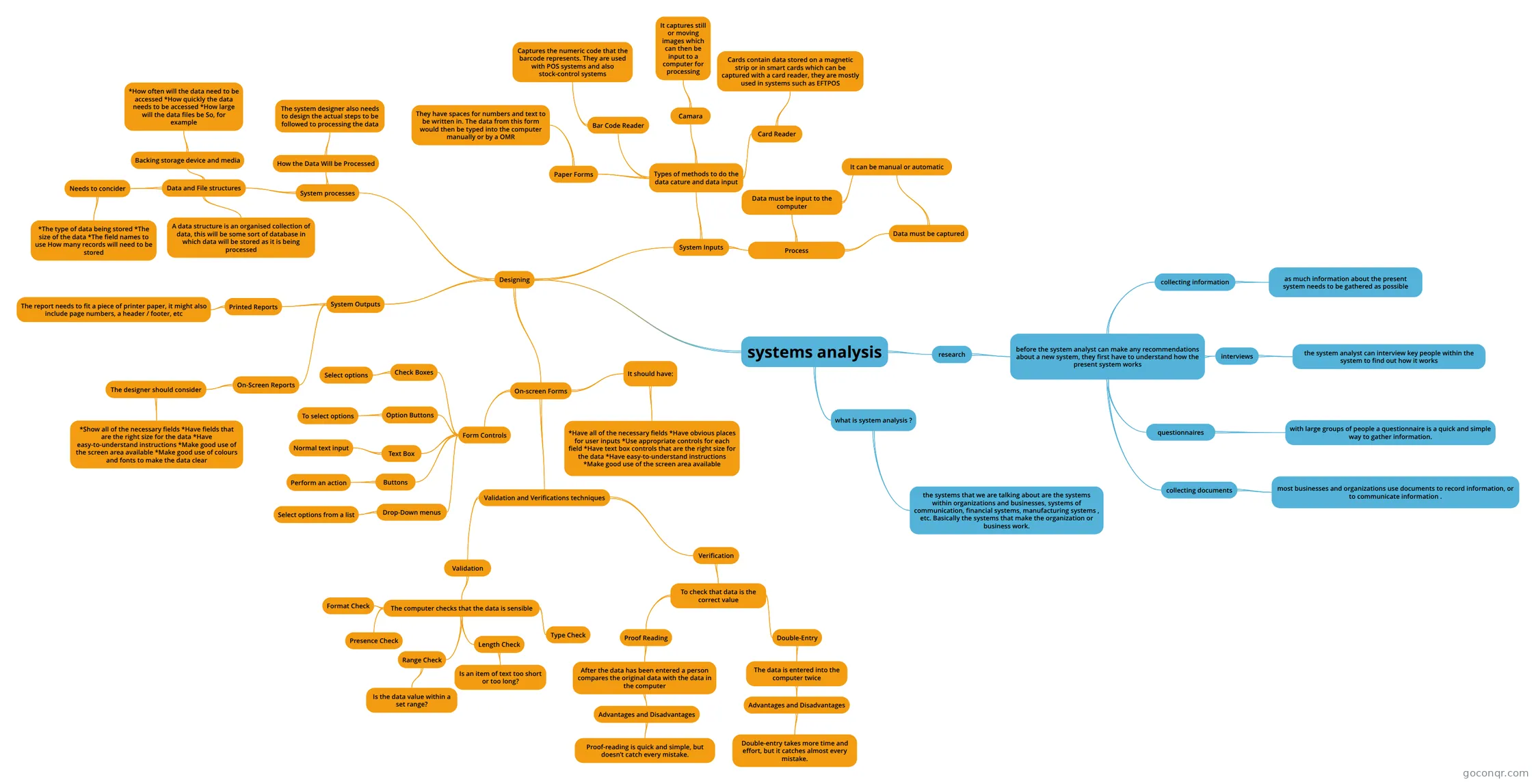 systems analysis hbrediusf iohfd
-
System Life Cycle Detailed revision material of system life cycle.
-
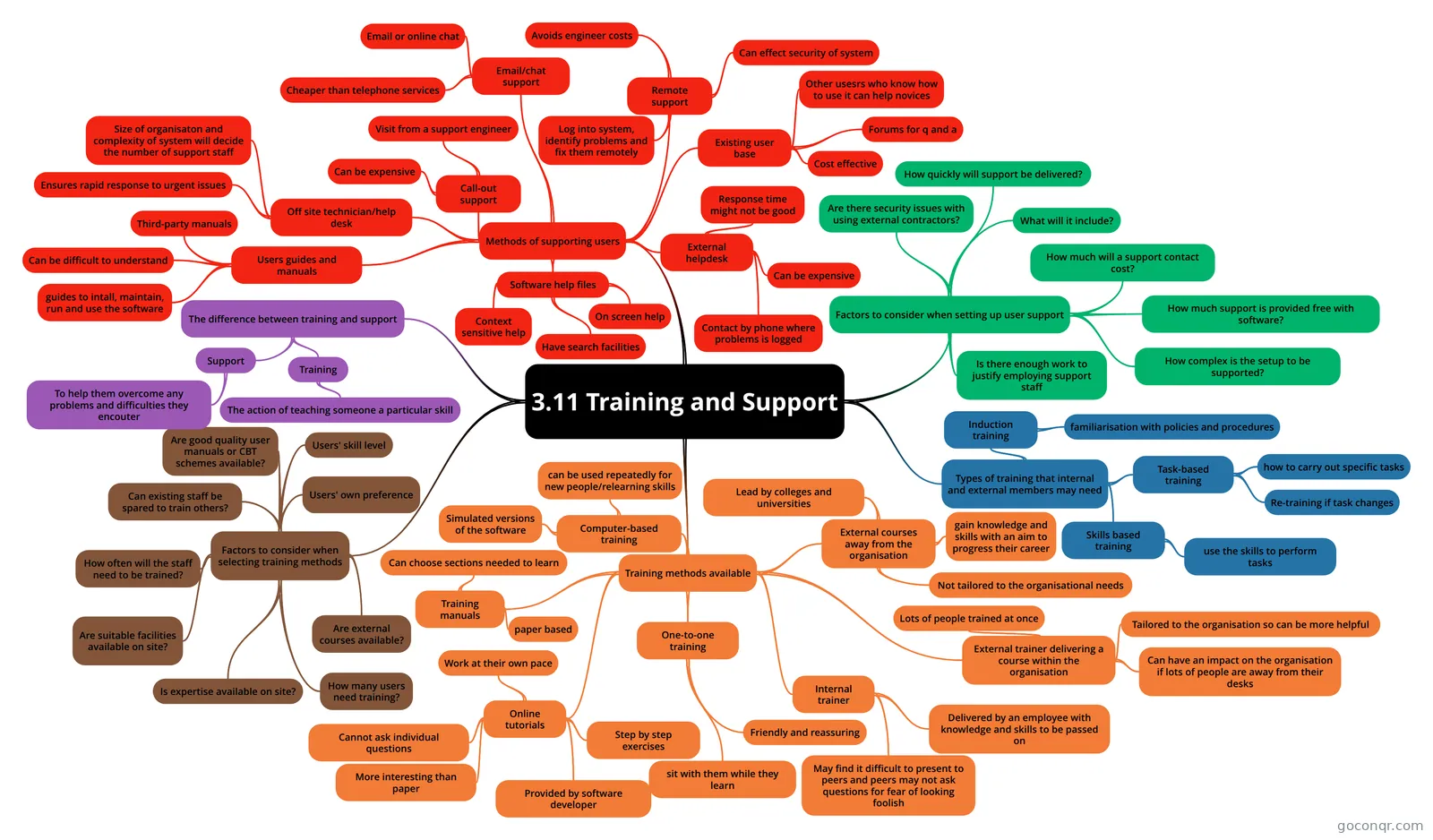 3.11 Training and Support
Flashcards
See all 29 flashcards-
47 cardsChapter 6 – Essentials of Design and the Design Activities Chapter 6 – Essentials of Design and the Design Activities
-
51 cardsChapter 3 : Use Cases Use cases
-
42 cardsChapter 2 : Key Terms & Definitions List and briefly describe the five activities of systems analysis.
-
45 cardsChapter 1: Key Terms Ch 1Key Terms
-
113 cardsINFS3222 Lecture 5 Domain Classes Problem Domain
-
100 cardsA2 IT System Life Cycle
-
73 cardsAAD Exam Revision Cards What does a sequence diagram show?
-
45 cardsChapter 7 – Designing the User and System Interfaces Chapter 7 – Designing the User and System Interfaces
Flowcharts
Notes
More Computing and ICT (programming, computer science, digital skills, educational technology) topics
About Systems Analysis and the Systems Life Cycle
GoConqr OriginalWhat this unit covers
The resources follow the systems life cycle from start to finish. You will find investigation methods, feasibility and cost/benefit work, determining requirements, design, installation, changeover and maintenance. Several mind maps are titled Systems Life Cycle, and there are many flashcard decks on the same ground, so you can compare how different contributors lay it out.
Where to start
Begin with the big picture. The Waterfall Model mind map shows a sequence of distinct phases, where one stage must be finished before the next begins and each stage ends with deliverables. The The Systems Cycle slide set and the Chapter 1: Introduction to Systems Analysis and Design mind map then give you the wider setting.
Analysis and design tools
Next, move to the modelling tools. The Data Flow Diagrams quiz asks what each symbol represents, and also covers who creates the diagram. The Chapter 3: Use Cases flashcards define terms such as actor, event, temporal event and the CRUD technique. For design, the flashcards on essentials of design and the design activities cover network diagrams, architectural design and client-server architecture.
Changeover and exam practice
The Changeover Techniques mind map explains parallel changeover, where the new system runs alongside the old one for a period, and lists its advantages. Several mind maps are labelled as exam questions on the life cycle. Some resources mention A-level ICT, IGCSE ICT, GCSE ICT, GCSE Computer Science and IB, so school students can look for their own course. University students will find chapter-based multiple choice quizzes, such as Chapter 6 (Multiple Choice), which asks about prototypes.
Using quizzes and maps together
- Read a mind map to see the stages and key terms.
- Run through a flashcard deck to fix the definitions.
- Take a quiz to see what you missed, then go back to the map.
Teachers can set any of these as ready-made material. Choose a stage of the life cycle and open the first resource that suits you.
Frequently asked questions
Which resource should I open first?
Start with the Waterfall Model mind map to see the phases in order, then the Systems Life Cycle mind maps. Once the stages make sense, try the Data Flow Diagrams quiz to test your understanding of the symbols and who creates the diagram.
What do the mind maps cover?
They cover the life cycle itself, investigation methods, feasibility and cost/benefits, determining and structuring requirements, process modelling, installation, changeover and maintenance. There are also maps on data flow diagrams, SSADM and the client server model, plus several exam-question maps.
Are these resources free to use?
Yes. Every resource listed here is free to open, study and take, with no account needed. They were made by GoConqr users rather than by GoConqr, so styles and depth vary from one to the next.
Which levels and exams do they suit?
Most resources suit school students, and some mention A-level ICT, IGCSE ICT, GCSE ICT, GCSE Computer Science or IB. Around a third are aimed at university students, with chapter-based quizzes and flashcards, and a few suit professional candidates.
What can I use to practise changeover methods?
Open the Changeover Techniques mind map, which describes parallel changeover and its advantages. The Methods of Changeover flashcards offer quick recall, and the Changeover Methods and Changeover/maintenance maps give alternative layouts to compare.
What if I cannot find the topic I need?
Try a nearby term, such as SDLC, systems analysis or system life cycle, as contributors title things differently. A free account lets you save quiz scores and make your own quizzes, mind maps, flashcards and notes for any gap.