
Scientific Method and Laboratory Skills
167 resources created by 157 users
This Scientific Method and Laboratory Skills page on GoConqr gathers community-made quizzes, mind maps, flashcards, notes and slide sets, from variables and fair tests to lab safety, food tests and required practicals. It's built for school students revising a topic and teachers after ready-made material, with a little for university students too. There are over 1,100 resources here, including more than 130 quizzes, over 450 mind maps and more than 430 flashcard decks. Pick a resource, try a quiz to find your gaps, then make your own.
Top Scientific Method and Laboratory Skills resources
-
39 questionsSemester 1 Study Guide When determining the water quality in a local pond, which piece of information is NOT considered quantitative?
-
31 questionsUnit 1 Practice Test A company that manufactures a popular multivitamin wanted to determine whether their multivitamin had any s...
-
30 cardsGCSE BIO REQUIRED PRACTICALS Required practical 1 : Microscopy Preparing a microscope slide
-
21 cardsScience 9 Safety Test Flash Cards What does WHMIS stand for?
-
45 cardsFlash Cards: 7th Grade Science Test Study Unit 1 True or False? Living things are classified primarily according to when they first appeared on the earth
-
17 cardsLaboratory safety
-
20 cardsBiology Quiz 1 Definitions and Key Terms 1/15/16
-
13 questionsLearning Check - Scientific Method and Fair Tests Which instrument is the best to measure 75 mL of water?
Quizzes
See all 36 quizzes-
39 questionsSemester 1 Study Guide When determining the water quality in a local pond, which piece of information is NOT considered quantitative?
-
31 questionsUnit 1 Practice Test A company that manufactures a popular multivitamin wanted to determine whether their multivitamin had any s...
-
13 questionsLearning Check - Scientific Method and Fair Tests Which instrument is the best to measure 75 mL of water?
-
16 questionsScientific Method--VA Science SOL 4.1 What is a variable that the scientist changes?
-
7 questionsLA SALLE GREEN HILLS Science 6 Activity Sheet # 1 Which of the items are used for measuring the mass of a solid?
-
3 questionsMicroscope Label the part where the dot is located.
-
2 questionsscientific method scientific method steps
-
136 questionsBiology Exam 1 What is the role of empiricism in the scientific method?
Mind maps
See all 37 mind maps-
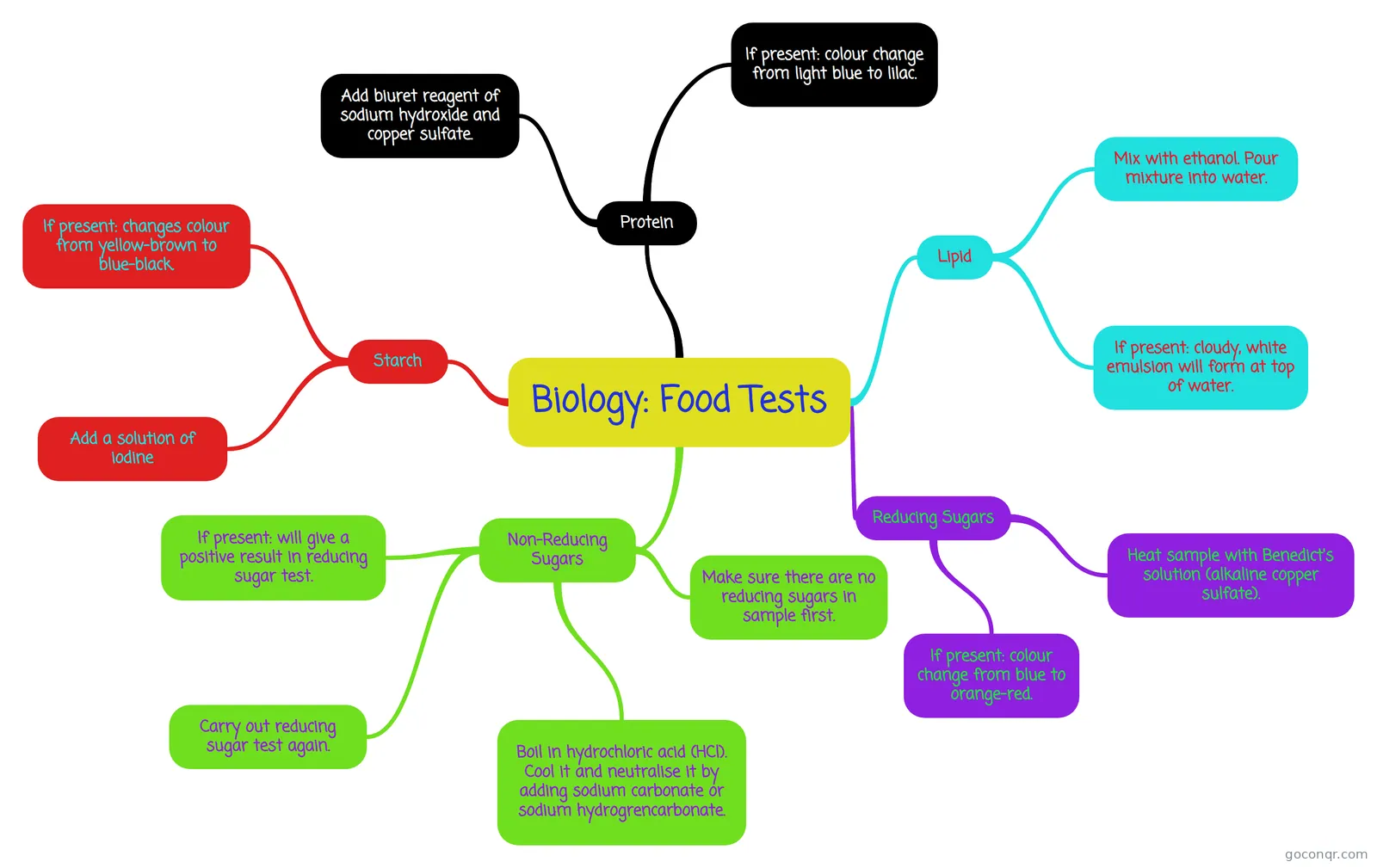 Biology: Food Tests How to find out what foods are present in samples and the results.
-
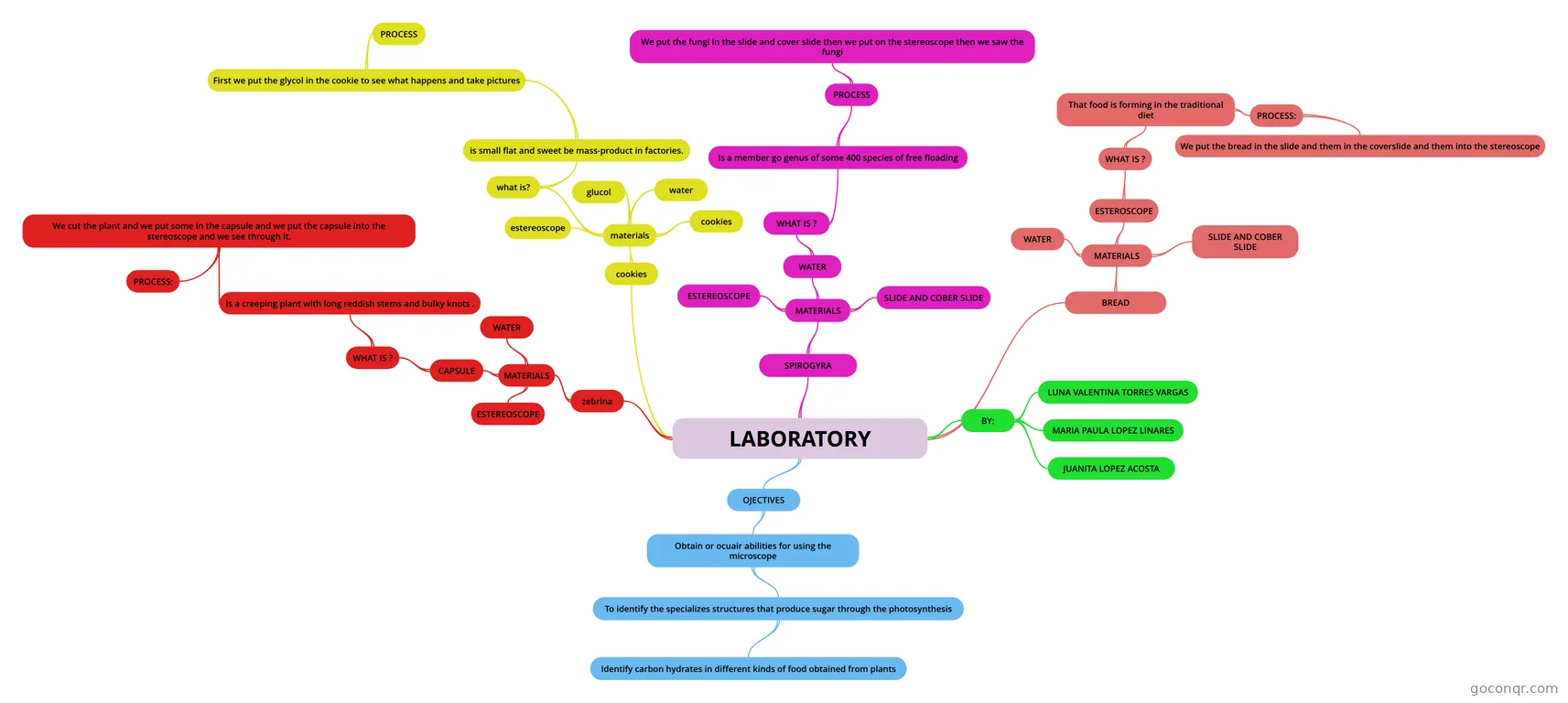 LABORATORY tarea
-
Science Lab Equipment Year 9 Exam - Lab Equipment Revision
-
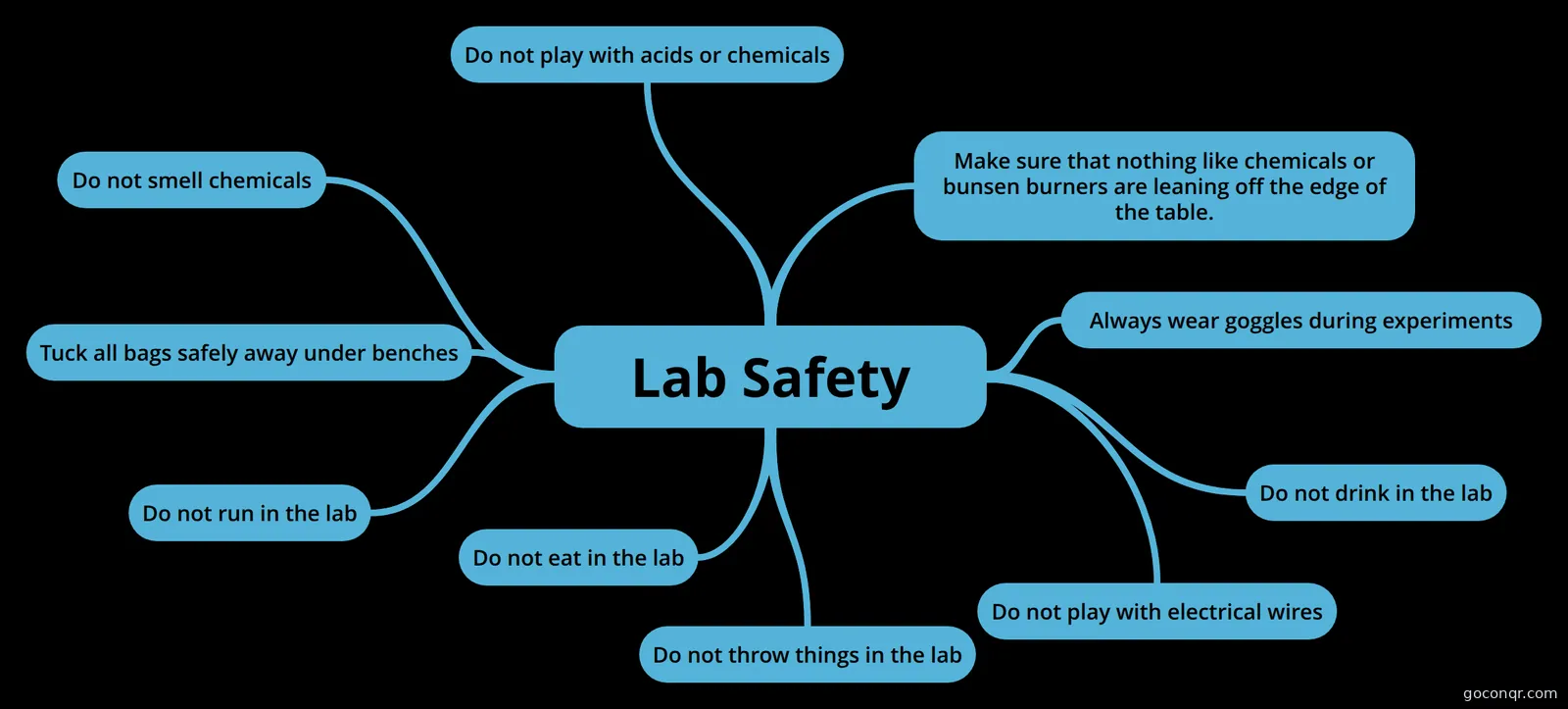 Lab Safety
-
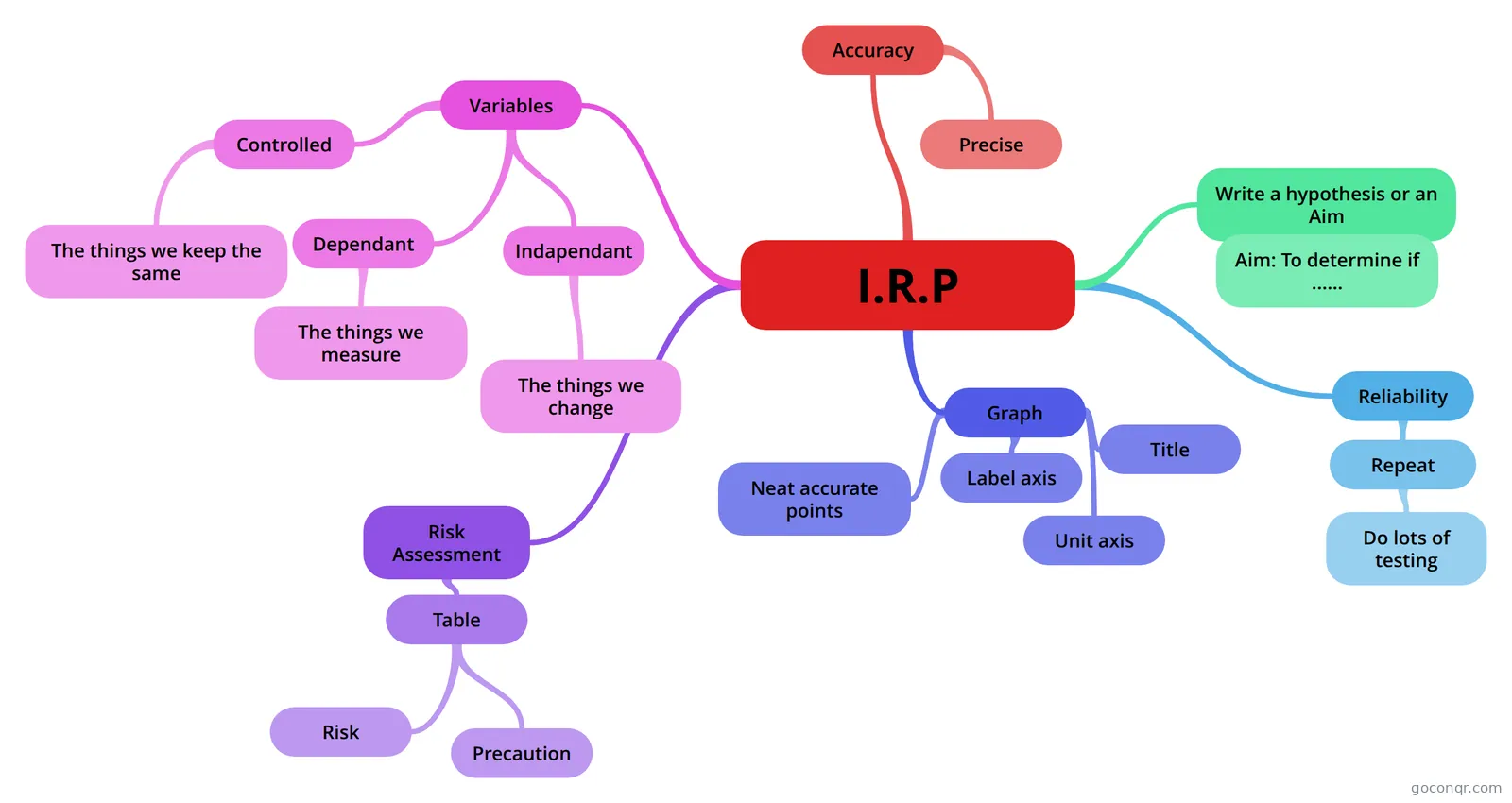 I.R.P
-
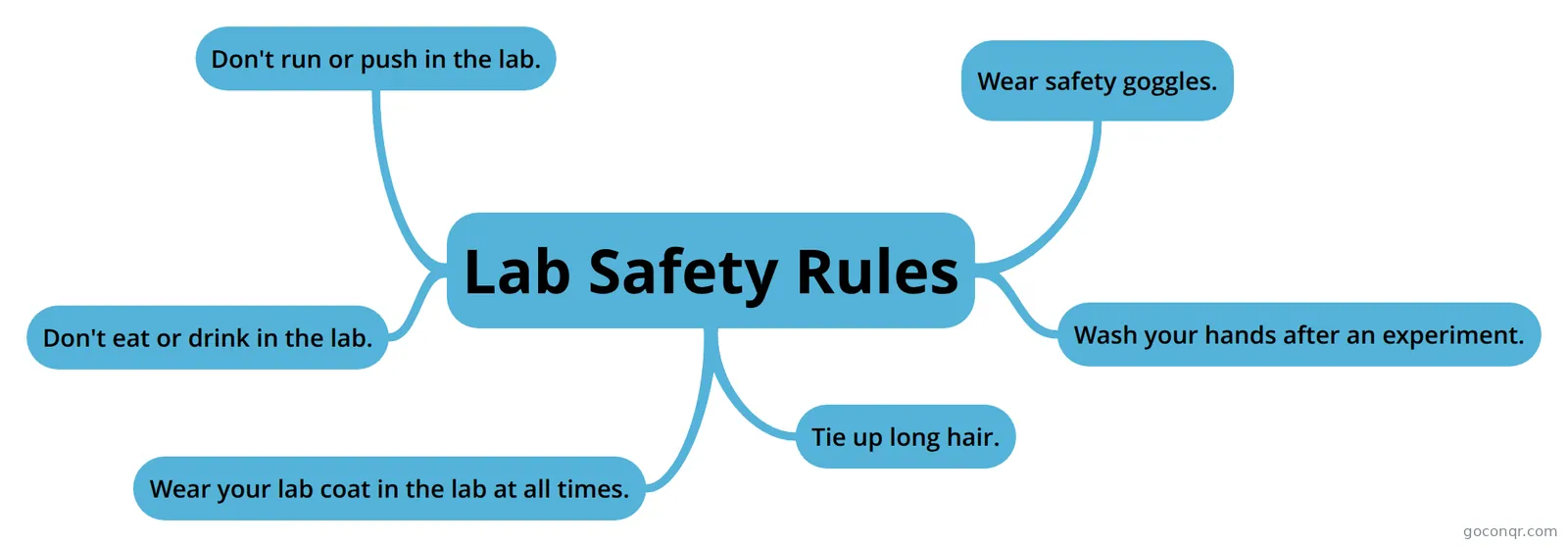 Lab Safety Rules Learn about lab safety rules that will keep you safe in lab!
-
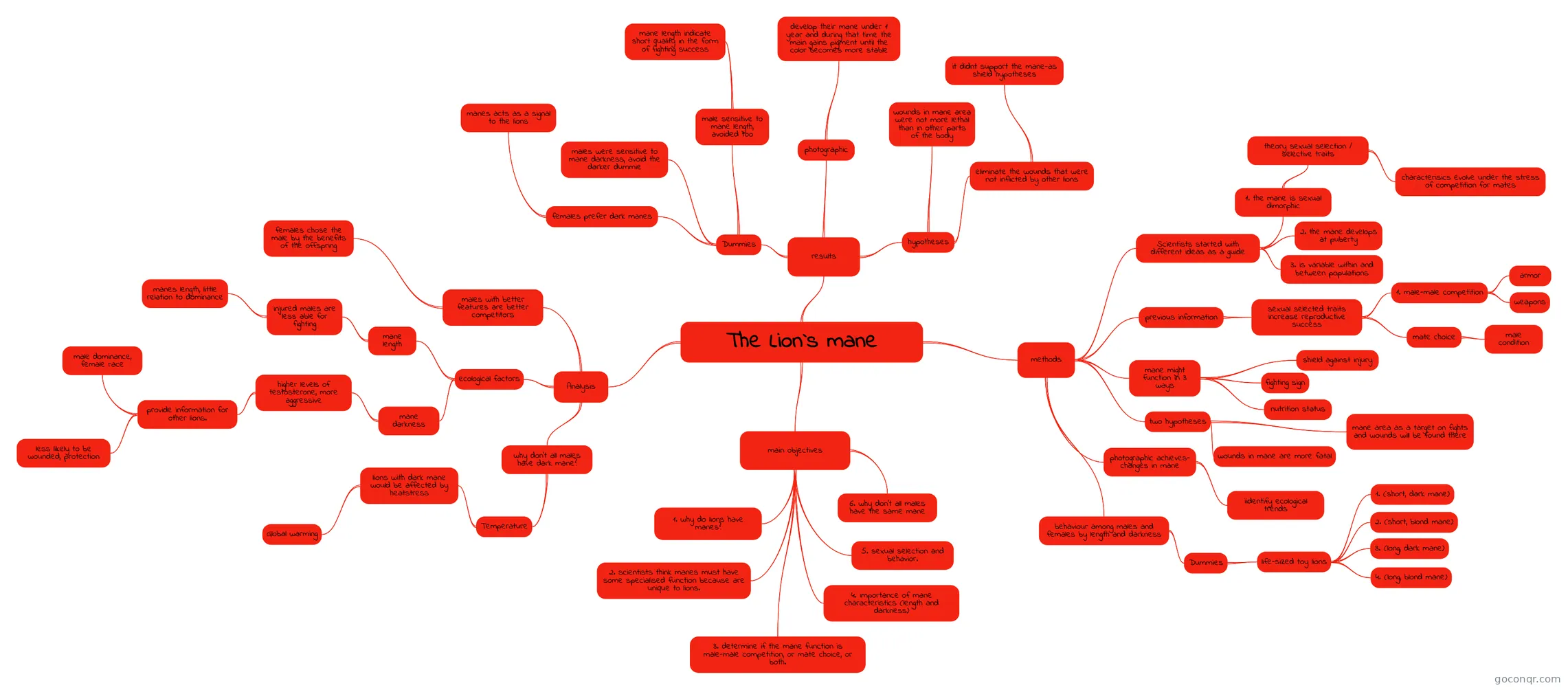 The Lion`s mane ¿porque los leones tienen melena?
-
AQA GCSE ISA SECTION 2 GUIDE
Flashcards
See all 76 flashcards-
30 cardsGCSE BIO REQUIRED PRACTICALS Required practical 1 : Microscopy Preparing a microscope slide
-
21 cardsScience 9 Safety Test Flash Cards What does WHMIS stand for?
-
45 cardsFlash Cards: 7th Grade Science Test Study Unit 1 True or False? Living things are classified primarily according to when they first appeared on the earth
-
17 cardsLaboratory safety
-
20 cardsBiology Quiz 1 Definitions and Key Terms 1/15/16
-
20 cardsFLASHCARDS UNIT 1.4 Assged Abdalla What is the difference between a hypothesis and a guess?
-
8 cardsCh.1 The Scientific Method What is the purpose of 'Double-blind Testing'?
-
4 cardsScientific Method variables flashcards I have four flashcards with the following terms: Independent Variable, Dependent Variable, Controlled Varia...
Notes
See all 13 notes-
investigating simple animal responses - a choice chamber is a container with different compartments, in which you can create different environmental conditions. it can be used to investigate how animals, such as woodlice or maggots, respond to conditions ...
-
Science Practical Notes DRAWING LINE GRAPHS Line graphs are the most common type of graph you draw in Science. They are used when presenting continuous data where two variables are used. An appropriate line graph should: · ...
-
Working Scientifically The Scientific Method Scientists observe something they don't understand Come up with a hypothesis (possible explanation) Test Hypothesis: Make a prediction Test by gathering evidence If evidence, backs up prediction,...
-
SCIENCE SCIENCE OUTCOMES 14,15Fair Tests Independent variables are deliberately changed Dependent variables are the change that happens in the experiment (observations) Controlled variables are all other variables that should...
-
Bio 243: LABS Laboratory One: What are genes made of? CONSTRUCTING DNA: Construct 4 types of deoxynucleotides Connect A and T deoxynucleotides together Connect the next four nucleotides Build a hexanucleotide with a complementary s...
-
Science-6th Grade-Trimester 1 Scientific Method Question or Problem - the step when you wonder about a problem that will become the purpose of the experiment Research - the step when you find out more information about the experiment and what...
-
The Nature of Science Science is often sub-divided into 3 main categories, these are as follows; Physics- About the physical properties of things Chemistry- Substances found in nature and their relationships Biology- Is the study of living...
-
Scientific Method The prefixes used in the metric system is the beginning of a word on a base chart. You can tell if a measurement is a base unit because it only has one letter. This is an example of prefixes used in the metric system ...
Slides
More Biology and natural sciences topics
About Scientific Method and Laboratory Skills
GoConqr OriginalWhat this page covers
The resources split into two broad strands: how scientists work, and how they work safely in a lab. On the first, you will find quizzes, flashcards and mind maps on hypotheses, variables, controls and fair tests. The flashcard deck Ch.1 The Scientific Method asks what a control is and why double-blind testing matters. The quiz Scientific Method and Fair Tests asks which instrument measures 75 mL of water best.
Practical skills and safety
For hands-on work, the slide set Required Practical 7: Chromatography of Leaf Pigments compares pigments in spinach, dark baby red leaf and red chard. The mind map Biology: Food Tests sets out tests for lipids, sugars, starch and protein, including the iodine colour change. The flashcard deck GCSE BIO REQUIRED PRACTICALS runs through microscopy, from preparing a slide to biological drawings. There are also notes on using a choice chamber to study woodlice or maggots, and several lab safety maps and quizzes.
A sensible order
- Start with a scientific method mind map to see the steps on one page.
- Test yourself with a variables or fair test quiz.
- Move to the required practical slides and flashcards that match your course.
- Finish with a lab safety quiz before a practical or lab exam.
Using quizzes and maps together
Read a map first, then take a quiz on the same idea. Wrong answers show what to revisit. Go back to the map, fix the gap, then try again. Teachers can set a quiz as a quick check and share a map or flashcard deck as a recap.
Where it fits
This unit sits in the Foundations of Biology strand of Biology and natural sciences. Many resources mention GCSE Biology, A-level Biology, GCSE Science and Advanced Higher Biology, so check the wording against your own course.
Choose one resource that matches what you are studying now, and see how far it takes you.
Frequently asked questions
Which resource should I open first?
If the scientific method is new, begin with a mind map on it, then try the quiz Scientific Method and Fair Tests. If you are preparing for a practical, the slide set Required Practical 7: Chromatography of Leaf Pigments gives a worked example you can follow.
What do the mind maps cover?
They cover the steps of the scientific method, variables and constants, lab safety rules, lab equipment, microscopy and biological drawings. There are also maps on food tests and vitamin C, which suit anyone revising practical work.
Are the resources free to use?
Yes. Every resource listed here is free to open, study and take, with no account needed. A free account also saves your quiz scores and lets you make your own quizzes, mind maps, flashcards and notes.
Which exams and levels do these suit?
Most resources are for secondary school students, and several mention GCSE Biology, A-level Biology, GCSE Science or Advanced Higher Biology. A smaller share suits university students. Teachers can use the material for classroom checks.
Who made these resources?
They were made by GoConqr users, not by GoConqr itself. Over 900 contributors have added material, so styles and depth vary. Skim a resource first to check that it matches your course.
What if I can't find my topic?
Try a different wording, such as fair test, variables or required practical, as contributors title things differently. If nothing fits, you can build your own flashcards, mind map or notes and use them for revision.