
Audiences
277 resources created by 211 users
This Audiences page on GoConqr gathers community-made mind maps, flashcards, quizzes and slides on audience theory, from Stuart Hall's reception theory and Richard Dyer's star theory to uses and gratifications and audience research. It's built for school students revising a topic and teachers after ready-made material. There are over 270 resources here, including more than 190 mind maps, over 50 flashcard decks and 6 quizzes, made by over 200 contributors. Start with a quiz to spot your gaps, then build your own revision sets.
Select topic
- Audience Profiling and Segmentation29
- Target Audiences55
- Audience Research and Feedback24
- Audience Appeal and Engagement11
- Audience Theories55
- Active and Passive Audiences7
- Reception Theory and Audience Responses22
- Uses and Gratifications Theory13
- Patterns of Media Consumption14
- Fandom, Celebrity and Participatory Culture7
Top Audiences resources
-
25 questionsAudience Types and Theory What term is used to describe a relatively small segment of the audience or market with specific interests ...
-
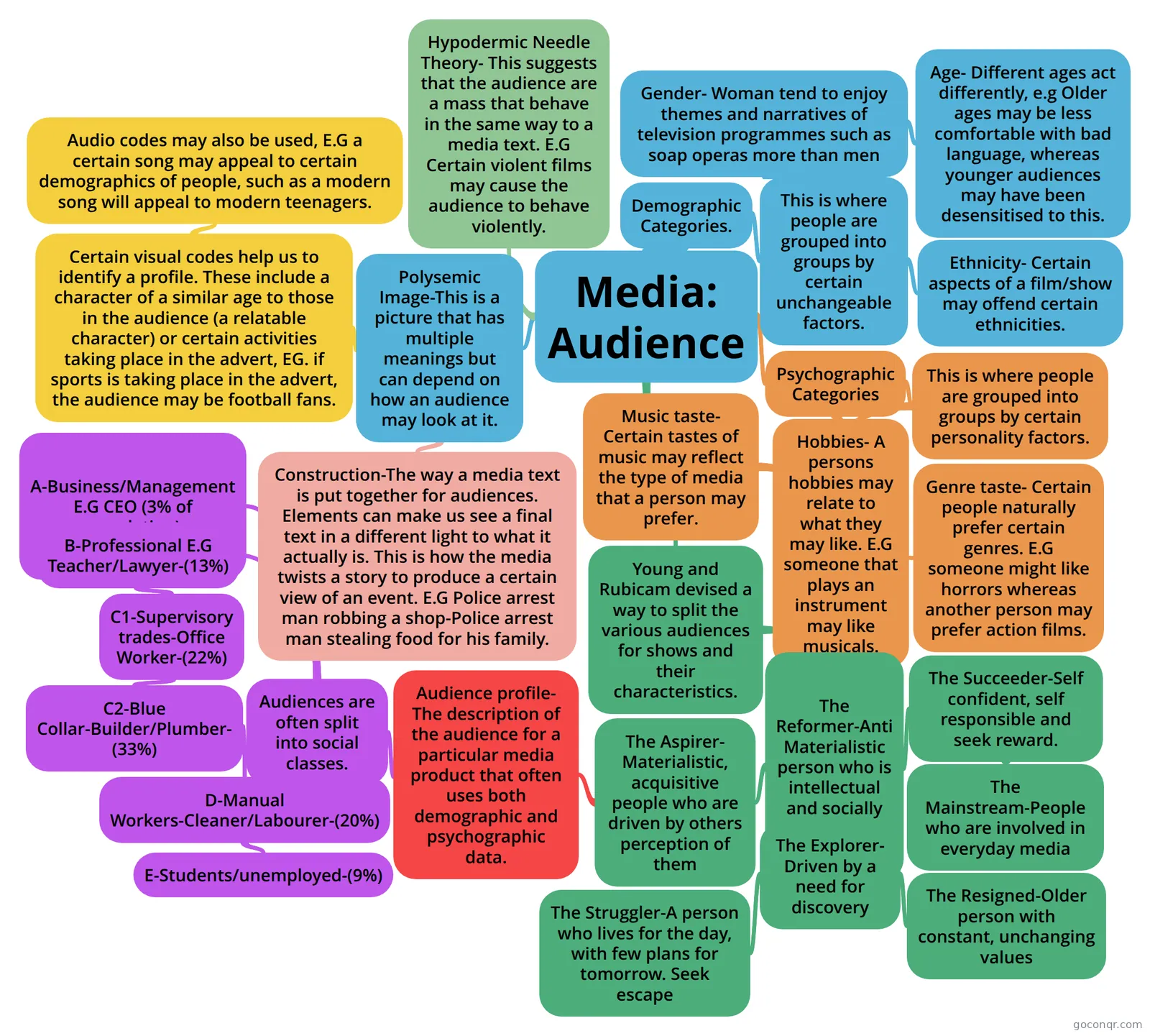 Mind map Media: Audience
-
Mind map Richard Dyer - Star Theory Relation of visuals to songs lyrics
-
9 cardsAudience Theory Flashcards on Audience Theory, created by Alex Willetts-Hatol on 30/04/2018.
-
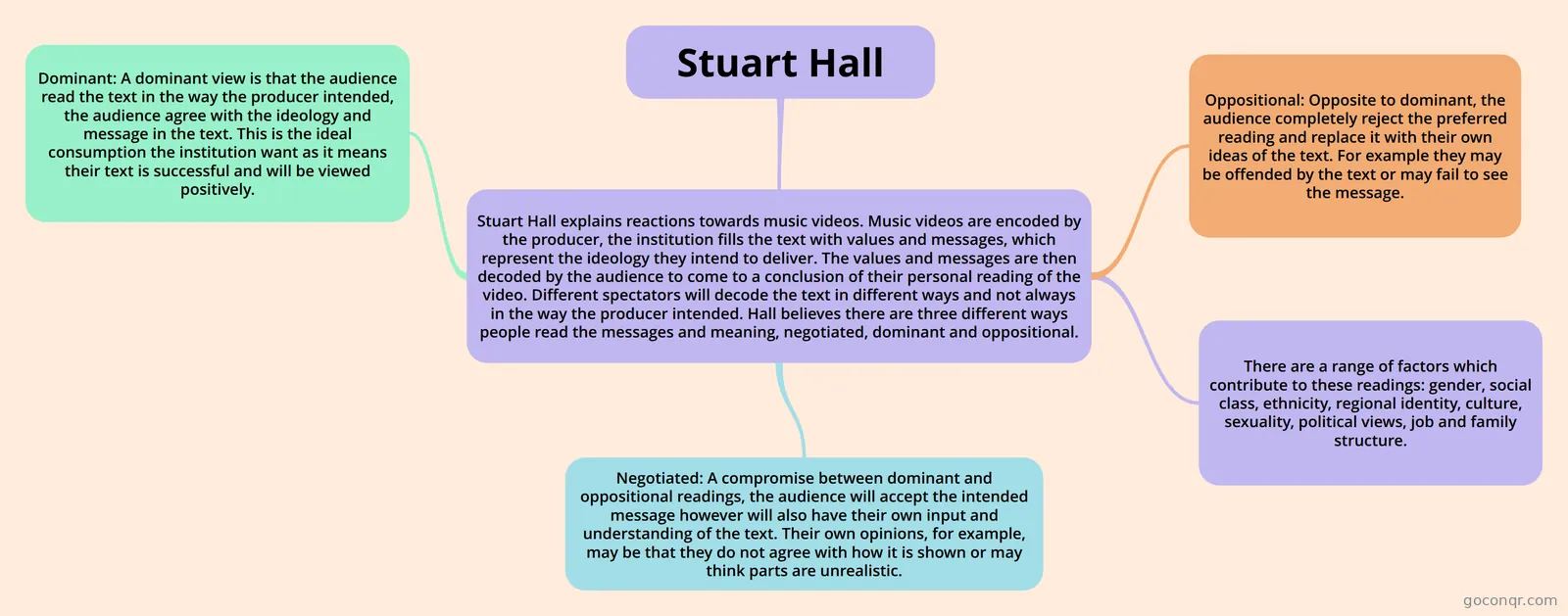 Mind map Stuart Hall Stuart Halls Reception Theory
-
4 cardsActive Audience Theory Active Audience Theory
-
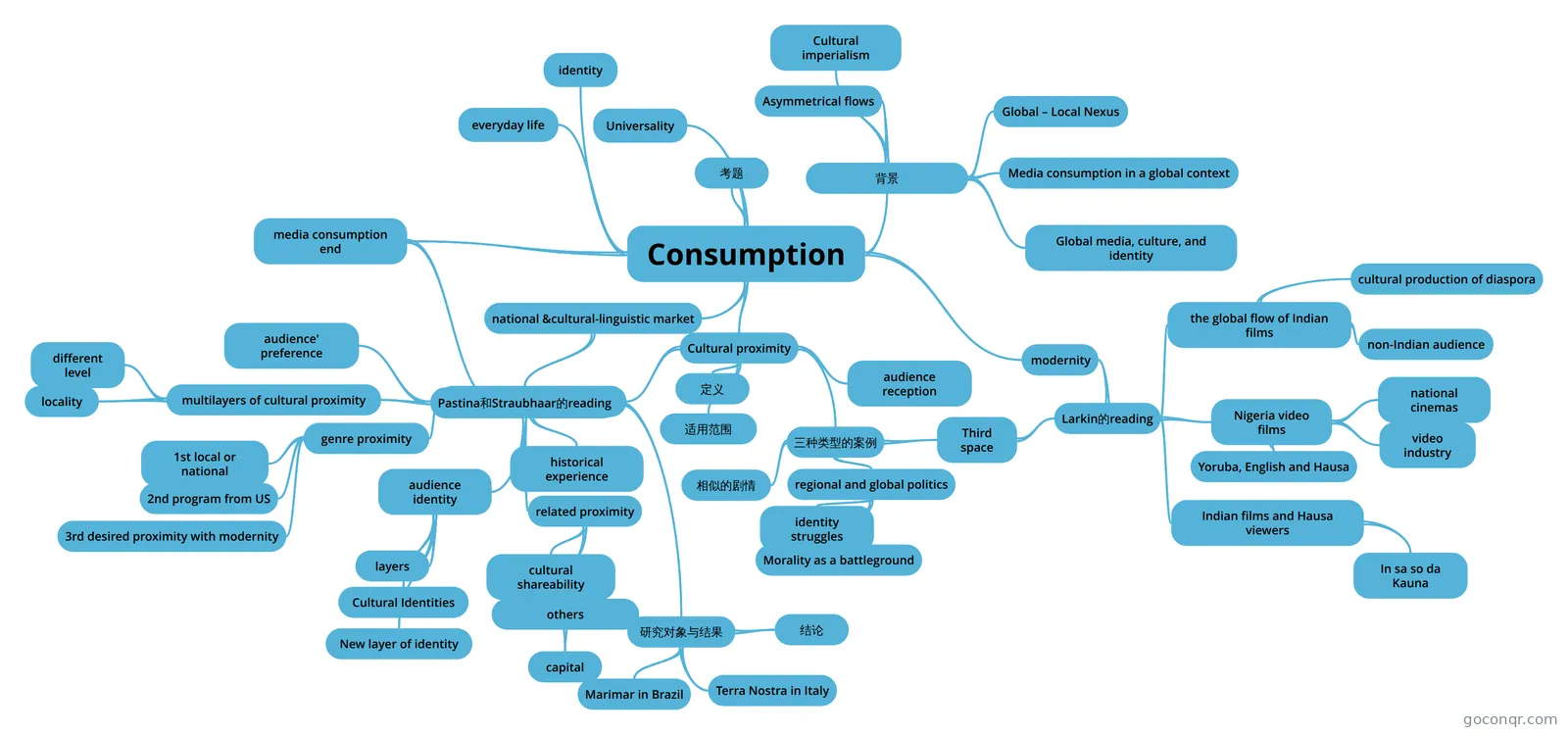 Mind map Consumption
-
6 questionsA2 Media: Audience Theory Uses and Gratifications Theory: Which of the below answers matches this explanation of a pleasure the audie...
Quizzes
Mind maps
See all 196 mind maps-
Media: Audience
-
Richard Dyer - Star Theory Relation of visuals to songs lyrics
-
Stuart Hall Stuart Halls Reception Theory
-
Consumption
-
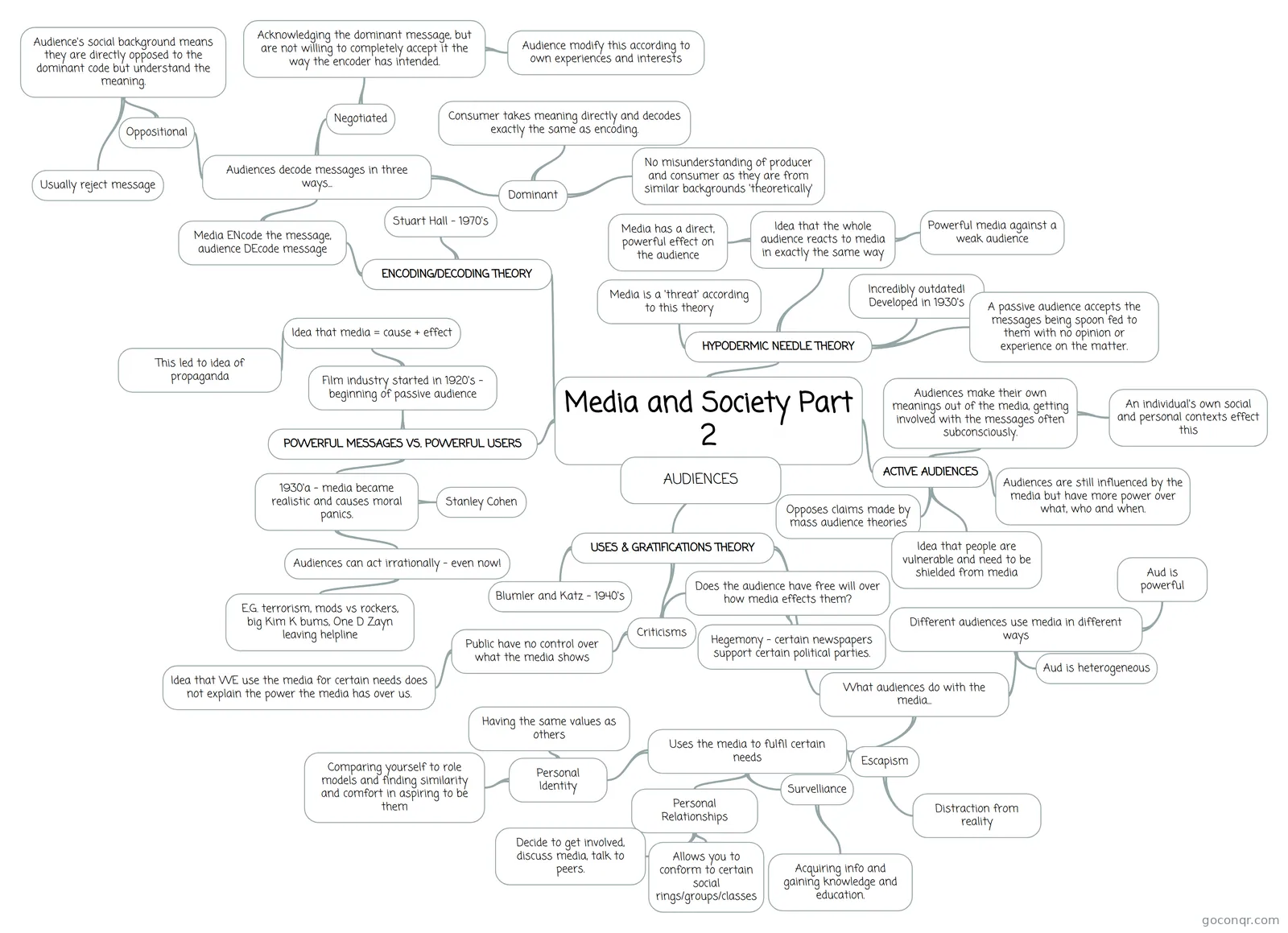 Media and Society Part 2 Second part tp audiences - media and society.
-
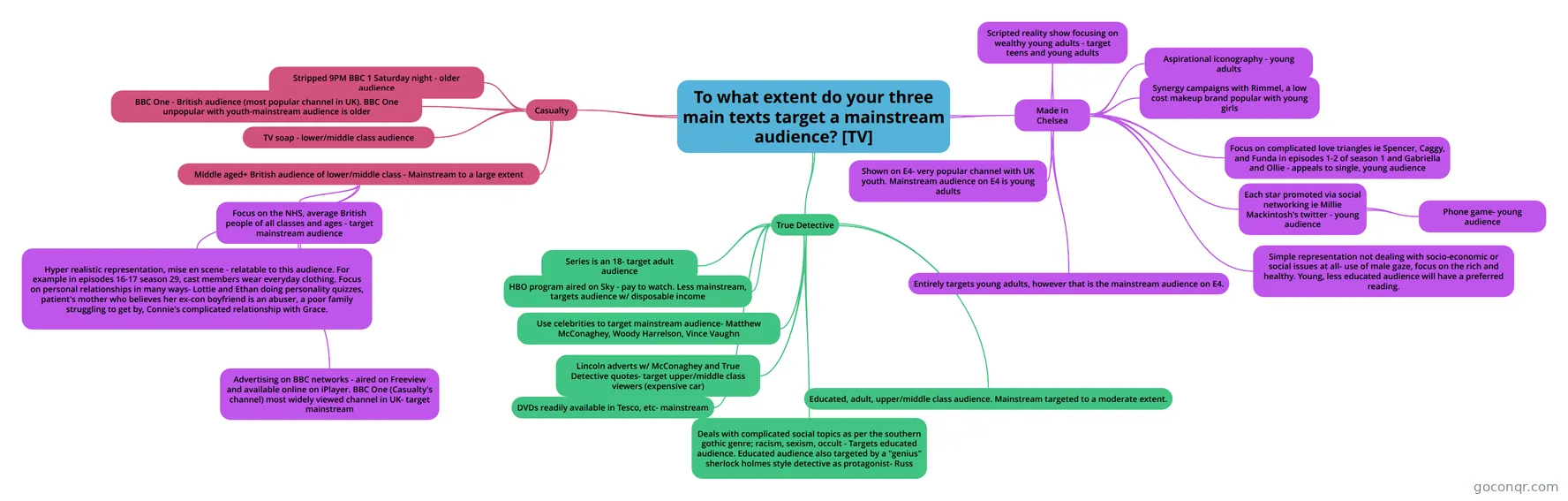 To what extent do your three main texts target a mainstream audience? [TV] An essay plan for audience question on wjec media ms4
-
Target Audience media studies target audience
-
 Media and Society Audiences Part 1 Mind map on audience with George and Shelly, part 1
Flashcards
See all 57 flashcards-
9 cardsAudience Theory Flashcards on Audience Theory, created by Alex Willetts-Hatol on 30/04/2018.
-
4 cardsActive Audience Theory Active Audience Theory
-
23 cardsInside Out: Basic Facts Flashcards What year was Inside Out released?
-
21 cardsUnit 1: Audiences & research
-
5 cardsMedia - Audience theories key audience theories to learn for exam
-
10 cardsMEST 1: Media Audience Flashcards MEST 1: MEDIA AUDIENCE
-
5 cardsAudience uses and Gratification Uses and Gratification of the Product (UGT)
-
6 cardsAudience Terminology/Theory Uses and Gratifications Theory
Notes
Slides
See all 11 slidesTopics in Audiences
More Media studies topics
About Audiences
GoConqr OriginalWhat this unit covers
This page collects resources on how audiences are defined, studied and understood. Many are tagged for A-level Media Studies, with others mentioning GCSE Media Studies and A-level Film Studies. The mind maps make up most of the page, backed by flashcard decks, slides, notes and a few quizzes.
Where to start
Begin with the mind map Media: Audience. It explains demographic categories, the groups people are placed in by factors they cannot change, such as gender. Then open the AUDIENCE mind map, which links uses and gratifications, Dyer's star theory, active and passive audiences and target audience in one place.
Theories to learn next
- Stuart Hall: the mind map on music videos explains encoding by the producer and how audiences read a text.
- Richard Dyer: the star theory map argues that stars are constructed by institutions.
- Active and passive audiences: the Active Audience Theory deck covers characteristics, advantages and disadvantages, plus the uses and gratifications model.
- Audience research: the Audience Research mind map looks at BARB, questionnaires and focus groups.
Using quizzes and maps together
Read a map first, then test yourself. The Audience Types and Theory quiz asks about niche audiences and how many readings Hall argues are possible. Keep a note of the questions you miss, go back to the matching map, and try again. The Audience Theory flashcards are handy for names such as Bandura, Jenkins, Adorno, Cohen and Maslow.
Some resources apply the ideas to real texts, such as the flashcards on audience pleasures in Citizen Khan and How I Met Your Mother. These show how to turn theory into exam answers.
Where it sits
This unit belongs to the strand Media Language, Representation and Audiences in Media studies. It pairs well with the representation material in the same strand.
Pick one map today, then make your own flashcards from it.
Frequently asked questions
Which resource should I open first?
Try the Media: Audience mind map. It introduces demographic categories and sets up the ideas used elsewhere. After that, the AUDIENCE mind map pulls together uses and gratifications, Dyer's star theory, active and passive audiences and target audience in a single overview.
Are there quizzes on this page?
Yes, there are 6 quizzes. Audience Types and Theory is a good place to begin, asking about niche audiences and Hall's readings. Others cover A-level audience theories and the Pokemon Go case study, so you can check your recall after reading a map.
Are the resources free to use?
Yes. Every resource listed here is free to open, study and take, with no account needed. They were made by GoConqr users rather than by GoConqr itself, so it is worth checking them against your own course notes.
Which exams do these resources suit?
The listed resources mention A-level Media Studies, GCSE Media Studies and A-level Film Studies. Most are aimed at school students, so they suit revision at those stages. Check your exam board's specification for the theorists you need.
What do the mind maps on theorists cover?
They cover figures such as Stuart Hall, Richard Dyer and Denis McQuail. The Hall map explains encoding and audience reactions to music videos, while the Dyer map covers how stars are constructed. Other maps look at reception theory and uses and gratifications.
What if I can't find a topic I need?
Try the flashcard decks and slides, which often cover terms the maps skip, such as audience research methods or Maslow's hierarchy of needs. If something is still missing, a free account lets you make your own mind maps, flashcards, quizzes and notes.