
Nature of Religion
142 resources created by 129 users
This Nature of Religion page on GoConqr gathers community-made quizzes, mind maps, flashcards, notes and slides, from belief in God and religious upbringing to stewardship, animal rights and the problem of evil. It's built for school students revising a topic, and for teachers after ready-made material. There are over 900 resources here, including more than 30 quizzes, over 400 mind maps and over 400 flashcard decks, mostly at secondary level. Pick a topic, try a quiz to find your gaps, then make revision your own.
Top Nature of Religion resources
-
21 cardsSSC - Islam The story of muhammad (till marriage)
-
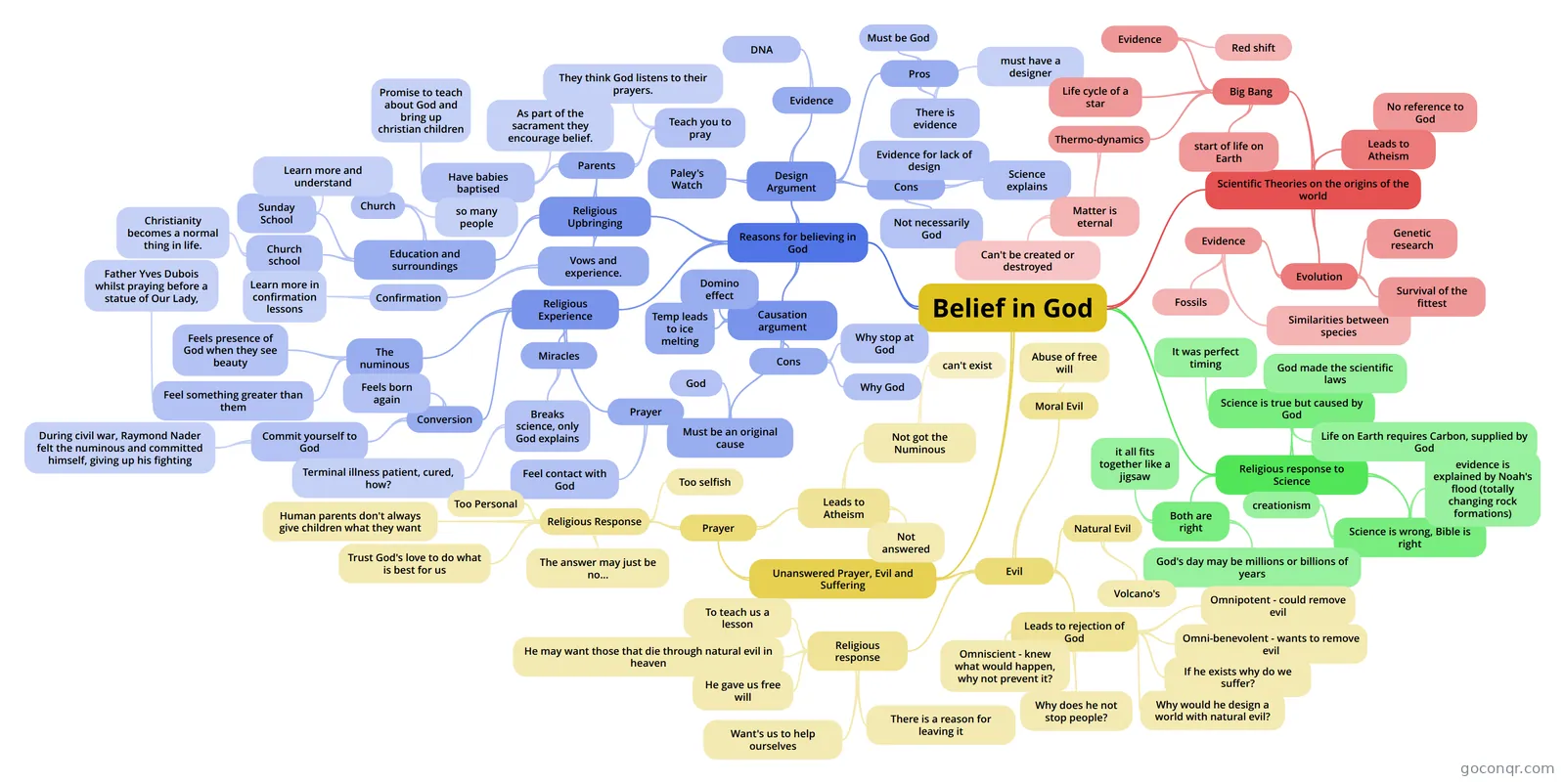 Mind map Belief in God
-
30 questionsYear 8 Religion Quiz Tick the characteristics of a community
-
7 cardsEDUQAS RE GCSEC Origins and meanings -STEWARDSHIP What is meant by stewardship
-
 Mind map Religion and animal rights
-
Mind map NATURE OF RELIGION
-
Mind map Believing in Allah mind map Religious experiences, The design argument, religious upbringing and how they can and don't lead to belief ...
-
10 questionsR.E GCSE 2014 Key Words What is the meaning for Afterlife?
Quizzes
-
30 questionsYear 8 Religion Quiz Tick the characteristics of a community
-
10 questionsR.E GCSE 2014 Key Words What is the meaning for Afterlife?
-
5 questionsSTEWARDSHIP Origins and Meanings Eduqas route B Paper 1: 1
-
50 questionsPre-Camp Test Decipher the morse code.
-
16 questionsOrigins and meanings gcse 2017 r.e Quiz on Origins and meanings gcse 2017 r.e, created by anna heayns on 09/09/2017.
-
10 questionsProphets In the Old Testament and Today! Which is the correct CHRONOLOGICAL order for these biblical figures?
-
7 questionsUnit 3 - Looking for meaning If you are 'Agnostic', which of the following definitions are you?
-
3 questionsGCSE Edexcel RE Paper 1 and 2 Quiz How many weeks in a pregnancy can a woman get an abortion?
Mind maps
See all 47 mind maps-
Belief in God
-
Religion and animal rights
-
NATURE OF RELIGION
-
Believing in Allah mind map Religious experiences, The design argument, religious upbringing and how they can and don't lead to belief ...
-
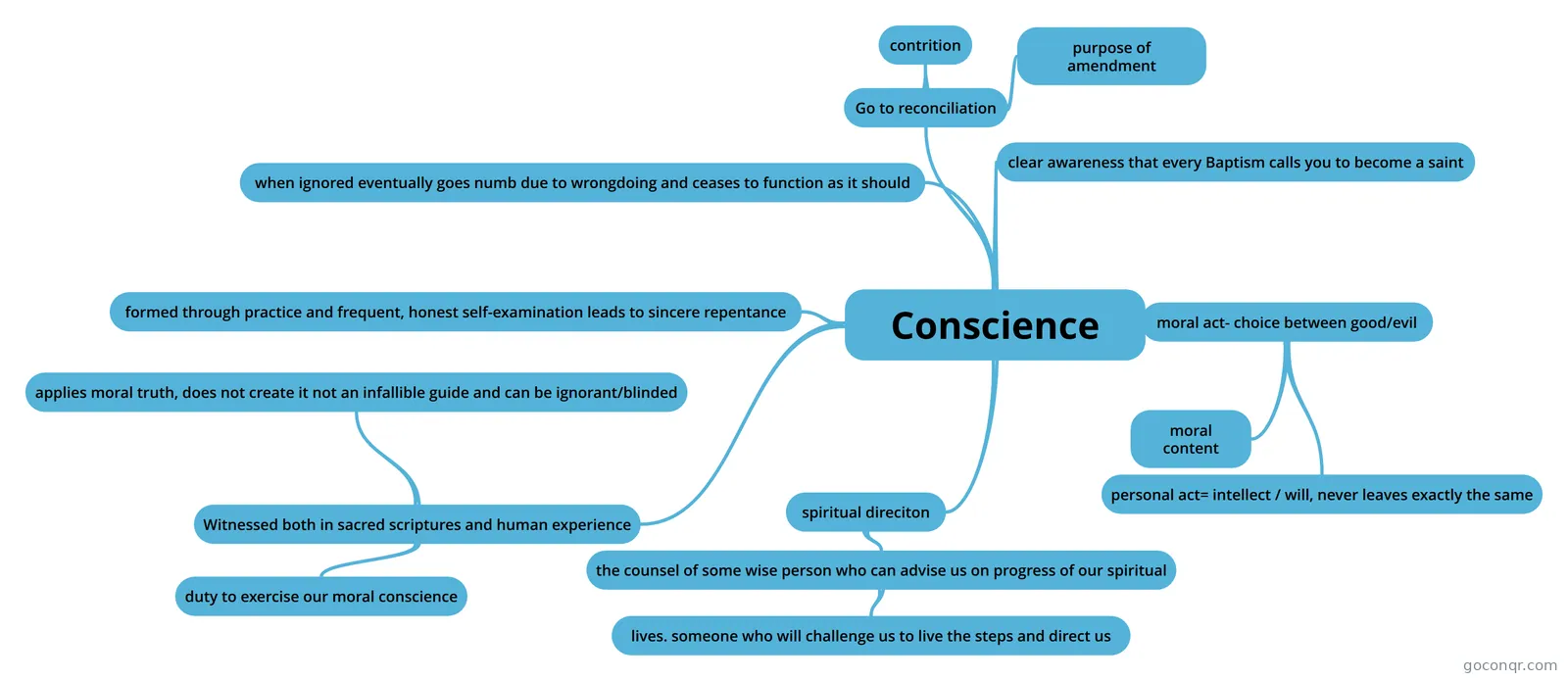 Conscience conscience notes
-
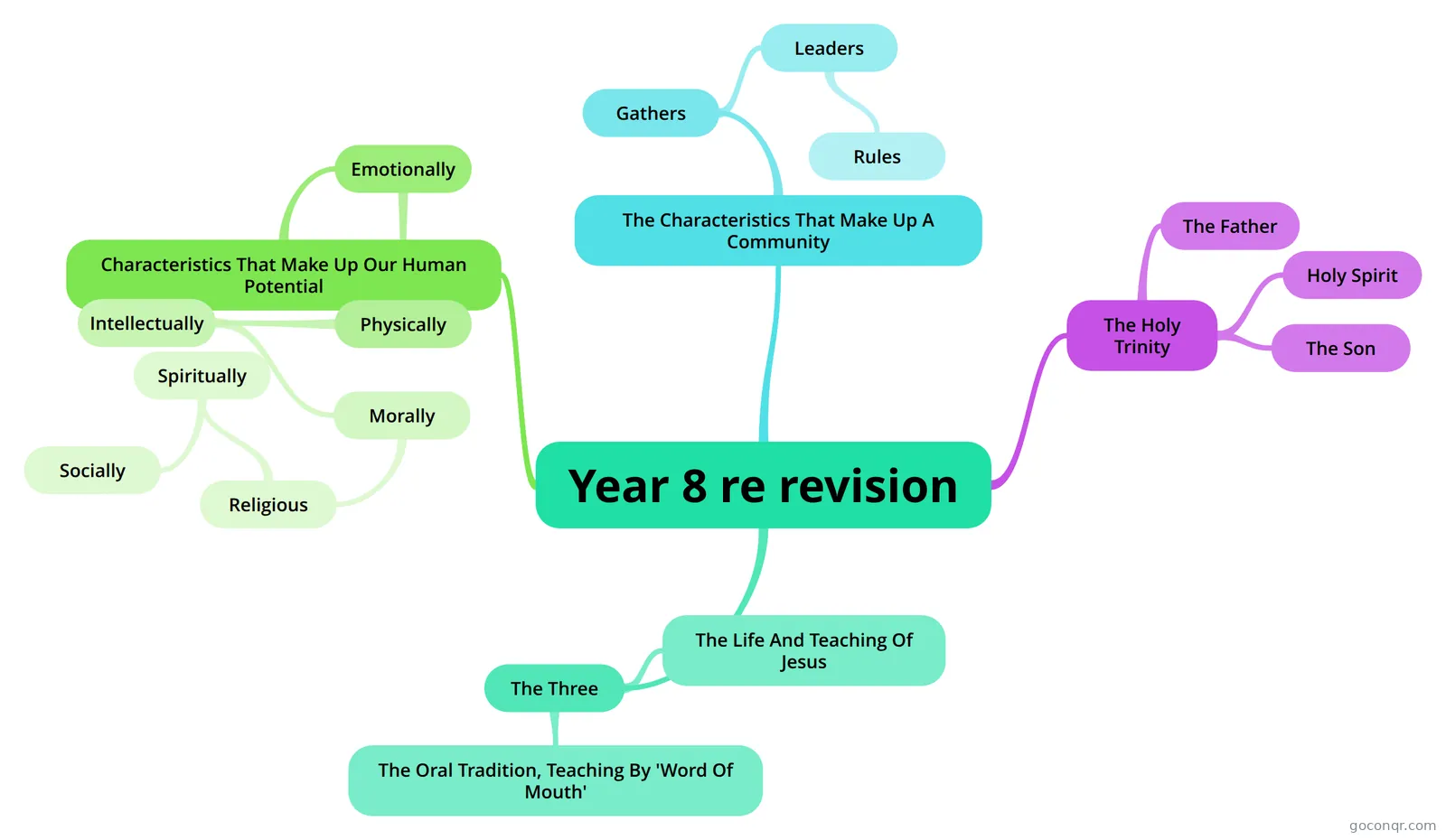 Year 8 re revision
-
Reincarnation mindmap
-
 Attitudes to Marriage A2 Religion and Contemporary Society (Attitudes to sex, marriage & the family)
Flashcards
See all 79 flashcards-
21 cardsSSC - Islam The story of muhammad (till marriage)
-
7 cardsEDUQAS RE GCSEC Origins and meanings -STEWARDSHIP What is meant by stewardship
-
12 cardsFruits of the Holy Spirit love God above all and love neighbors as oneself
-
34 cardsSIN AND FORGIVENESS full test Paper 2 question 2 GCSE EDUQAS
-
45 cardsReligion 1B 4 Harmonious Relationships
-
106 cardsReligion Used for 2015 np
-
59 cardsethics key words
-
16 cards3rd RExpressions Sacred: Something so special it should be respected. Example, Qur'an and Bible.
Notes
-
RS notes - Y8 Holy Week and Easter Shrove Tuesday (Pancake Day) Ash Wednesday (Start of Lent) Palm Sunday Holy/Maundy Thursday Good Friday Holy Saturday Easter Sunday Shrove Tuesday (Pancake Day) Use up eggs, butter and other luxur...
-
How to answer a (B) question [4 marks] How to answer a B question. This kind of question asks you to apply your knowledge to one ore more of the religions you have studied. It always starts: 'Explain how a having a religious faith might...' The examiner is...
-
Religion RELIGION The nations around Israel were religious. They also sought divine guidance. They too desire to live in peace and enjoy prosperity, To obtain these ends, they sought to know the will of the gods through profes...
-
Cosmology, Mythology, Divination and Magic. Cosmology- supplies a structure of understanding how the world came into being, how it is ordered and how supernatural phenomena relate to it. Mythology- supplies an interpretation of human experiences and customs. It...
-
R.E Check List Yr 7 Yearly RE Exam Revision Our school, & its traditions Liturgical colours & meanings ( pg 138-145) PURPLE is the colour of penance and sorrow. WHITE is the colour of light. We believe Jesus is the light of the worl...
-
GCSE Religious Studies Curriculum (AQA) Aims of GCSE Religious Studies Specifications This unit will provide students with the opportunity to:develop their knowledge, skills and understanding of religion by exploring the significance and impact of beliefs, ...
-
Religious Studies Word Explanation Beliefs in God If you are a theist you are someone who believes in god/s. If you are atheist you are someone who doesn’t believe in any god. Most people say that you are either an atheist or a theist however agnostics...
More Religion and theology topics
About Nature of Religion
GoConqr OriginalWhat this unit covers
The Nature of Religion unit brings together material on what religion is and how believers live it. The mind map NATURE OF RELIGION opens with the supernatural dimension, the belief in beings or powers beyond the natural world. Other maps look at Belief in God, including religious upbringing and reasons for believing, and at Believing in Allah mind map, which covers the design argument and religious experience.
Where to start
Begin with the NATURE OF RELIGION mind map to get the big picture. Then move to Religion definitions and Religion and animal rights for attitudes across Buddhism, Christianity, Hinduism and Islam. If you are working on keywords, the RE GCSE Keywords flashcards and the quiz R.E GCSE 2014 Key Words cover terms such as afterlife and revelation.
- Read a mind map on one topic.
- Test yourself with flashcards.
- Take a quiz to see what stuck.
Using quizzes and maps together
Maps show how ideas connect, while quizzes show what you can recall. After a map such as Religion and animal rights, try a quiz on the same theme, then go back to the branches you missed. The Year 8 Religion Quiz asks about communities and covenants, and the Social Dimension of Religion quiz suits a later stage.
Exams and levels
Most resources are secondary level. Listed resources mention GCSE Religious Studies, Eduqas and WJEC GCSE, A-level Religious Studies and HSC Studies of Religion, so check the wording against your own course. Teachers will find notes, slides and many Year 8 and Year 9 revision maps ready to share.
Where it sits
This unit belongs to the Understanding Religion strand of Religion and theology. Choose one resource today and see how far a single topic takes you.
Frequently asked questions
Which resource should I open first?
Start with the NATURE OF RELIGION mind map. It sets out the supernatural dimension as a defining element of religion and gives you a frame for the rest. After that, move to flashcards such as Religion definitions, then check yourself with a quiz.
What do the mind maps cover?
They range across belief in God, religious upbringing, believing in Allah, religion and animal rights, conscience, signs and symbols, and attitudes to marriage, sex and family. There are also many Year 8 and Year 9 revision maps made by users.
Which exams do these resources suit?
The listed resources mention GCSE Religious Studies, Eduqas GCSE, WJEC GCSE, A-level Religious Studies, A-level Sociology and HSC Studies of Religion. Most are secondary level, so compare topics with your own specification before relying on them.
Are the resources free to use?
Yes. Every resource on this page is free to open, study and take, with no account needed. They were made by GoConqr users rather than by GoConqr, so it is worth checking them against your class notes.
Is there anything for teachers?
Yes. Teachers can use the notes, slides and ready-made quizzes, such as the Year 8 Religion Revision quiz and the Grade 7 Religion Practice Test. A free account also lets you make your own quizzes, maps, flashcards and notes for your class.
What if my topic is missing?
Try a nearby topic first, as many maps and decks overlap, for example Beliefs and Values or Looking for meaning. If you still cannot find it, build your own flashcards or mind map for it.