
Online Communication and Social Media
167 resources created by 156 users
This Online Communication and Social Media page on GoConqr gathers community-made mind maps, quizzes, flashcards and notes, from email etiquette and email protocols to satellite communications and contemporary social media. It's built for school students revising a topic, and for teachers after ready-made material. There are over 1,200 resources here, including more than 40 quizzes and over 900 mind maps, with exam-style revision for GCSE ICT, GCSE Computer Science and BTEC IT. Pick a topic, try a quiz to find your gaps, then make your own maps.
Top Online Communication and Social Media resources
-
26 questionsQuiz - Mam Penda Secka Name an example of a microblogging site
-
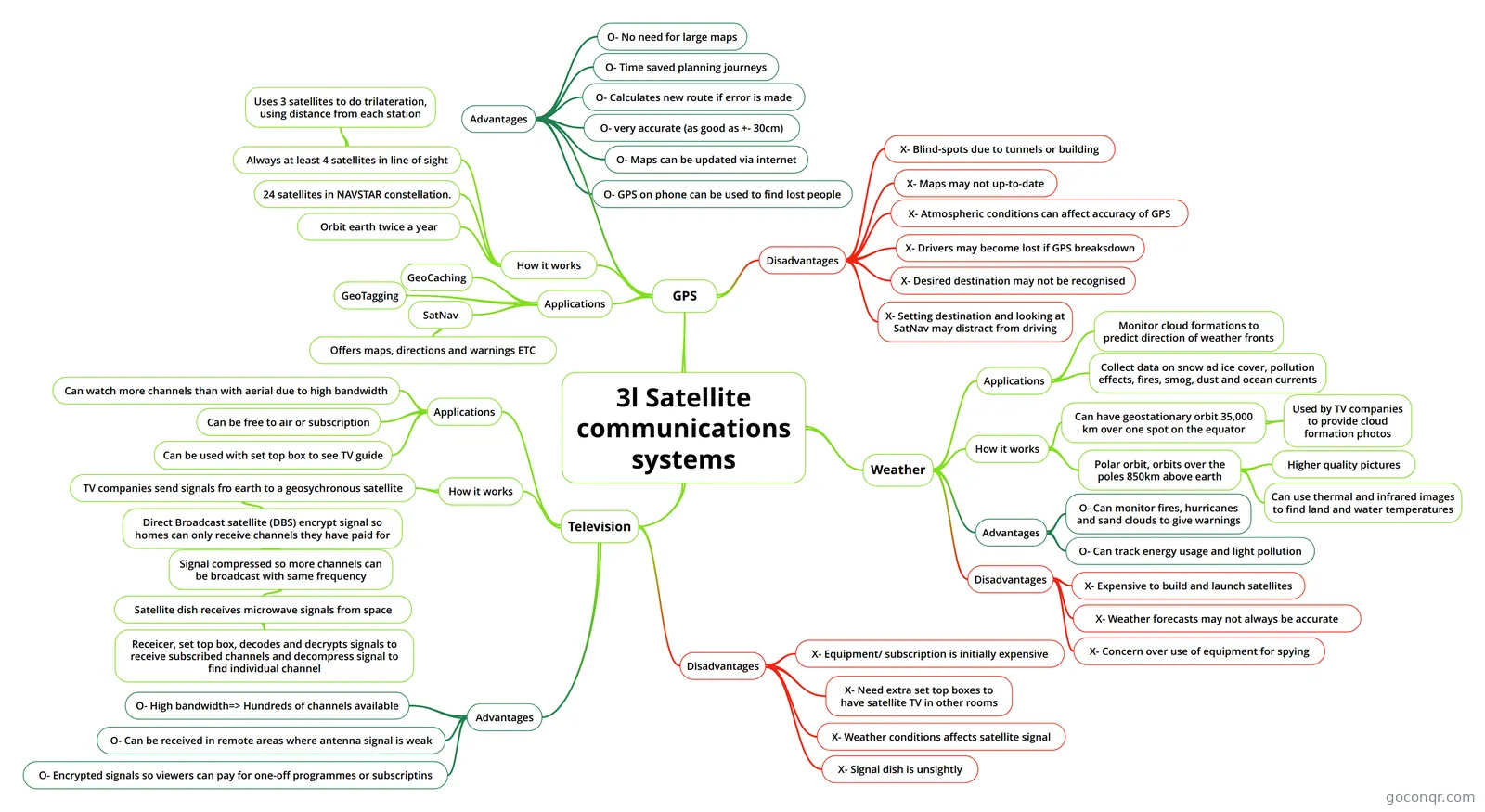 Mind map 3l Satellite communications systems
-
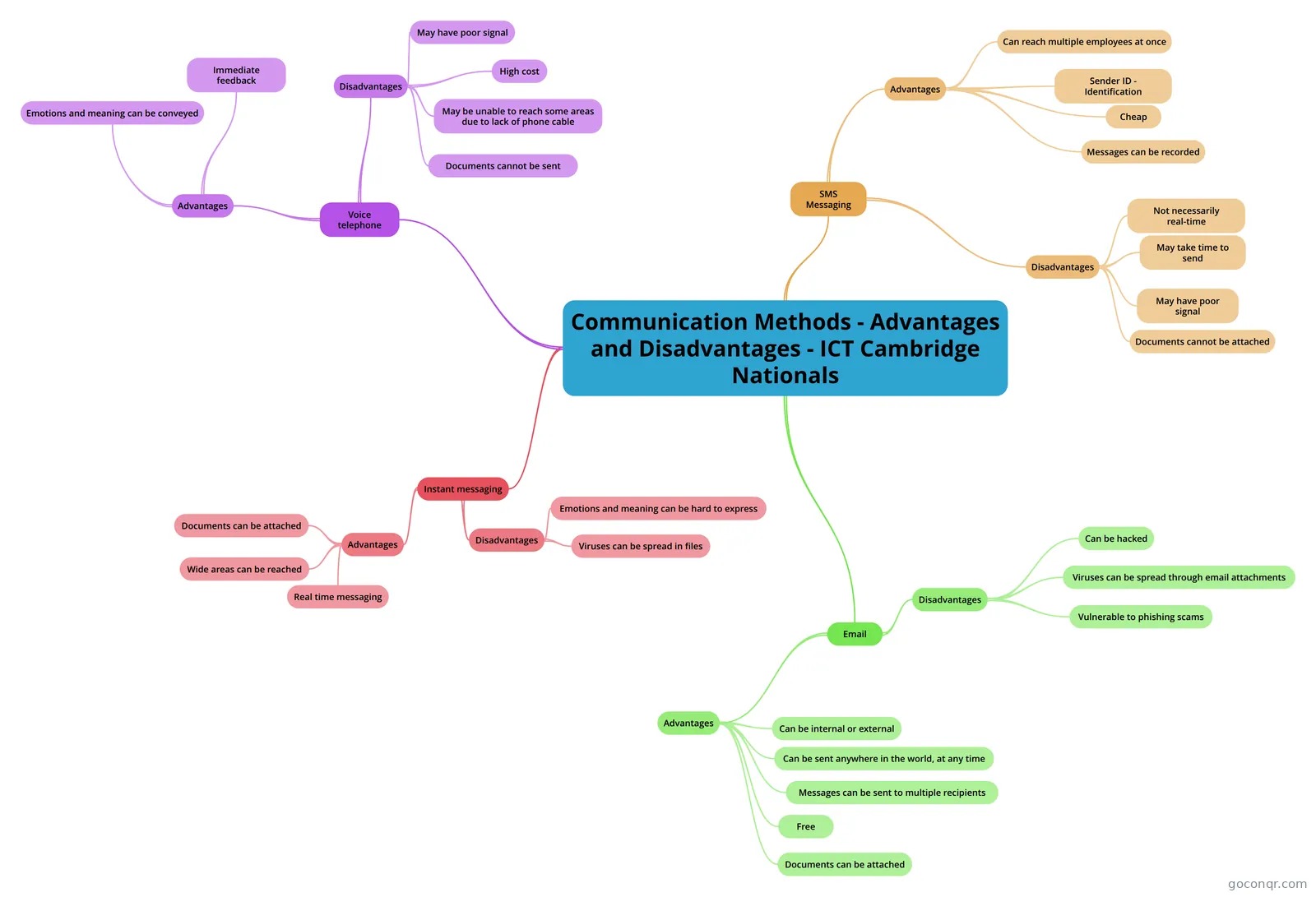 Mind map Communication Methods - Advantages and Disadvantages - ICT Cambridge Nationals
-
5 questionsSocial Networks Which of the following social networks is used basically to share pictures?
-
5 cardsForums A sock puppet is an online identity used for purp`1oses of deception
-
Mind map A student's perspective on the use of social media
-
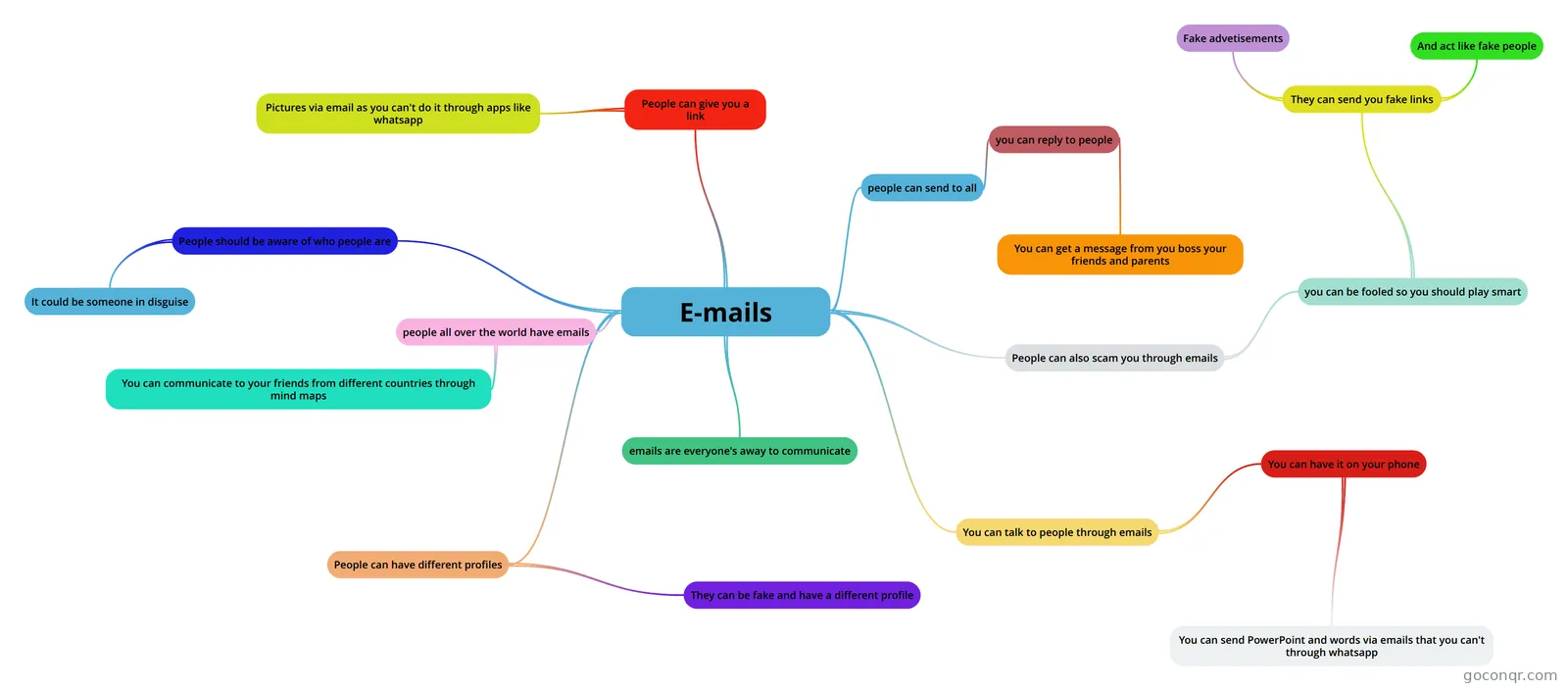 Mind map E-mails Emails advantages and disadvantages
-
5 questionsQUIZ UNIT 3: COMMUNITIES OF PRACTICE According to Wenger (1998), the three main elements inherent to any CoP are: The domain The network The pra...
Quizzes
See all 30 quizzes-
26 questionsQuiz - Mam Penda Secka Name an example of a microblogging site
-
5 questionsSocial Networks Which of the following social networks is used basically to share pictures?
-
5 questionsQUIZ UNIT 3: COMMUNITIES OF PRACTICE According to Wenger (1998), the three main elements inherent to any CoP are: The domain The network The pra...
-
33 questionsQuiz on online Communication What is a blog?
-
19 questionsUnit 3. Tools for Communities of Practice (CoP) Blackboard Collaborate is...
-
15 questionsEleanor's email revision quiz! if you click "reply to all" who will it reply to?
-
14 questionsquiz for partner
-
10 questionsAmelia's Revision Quiz- ICT: If you have Gmail, you are using Webmail.
Mind maps
See all 94 mind maps-
3l Satellite communications systems
-
Communication Methods - Advantages and Disadvantages - ICT Cambridge Nationals
-
A student's perspective on the use of social media
-
E-mails Emails advantages and disadvantages
-
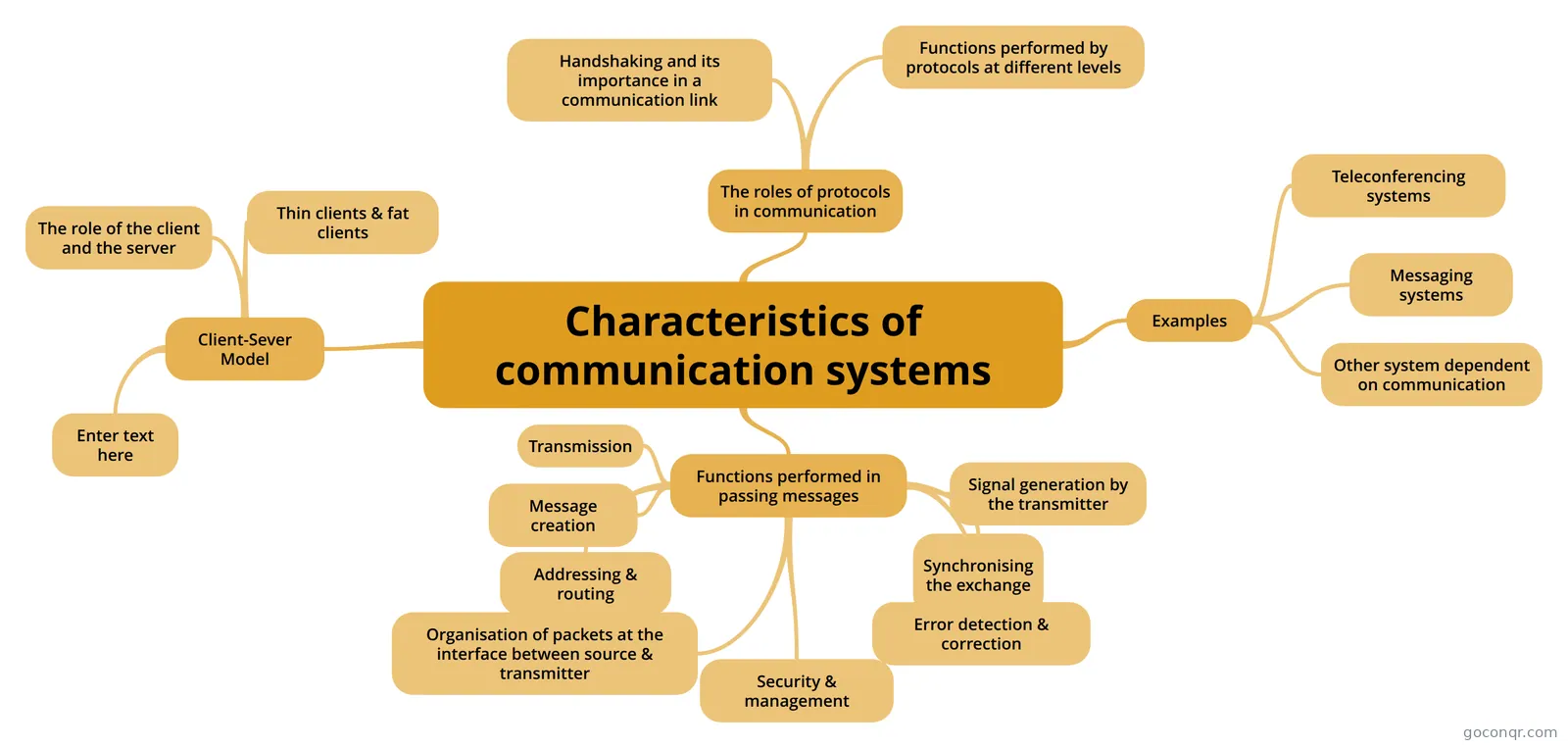 Characteristics of communication systems
-
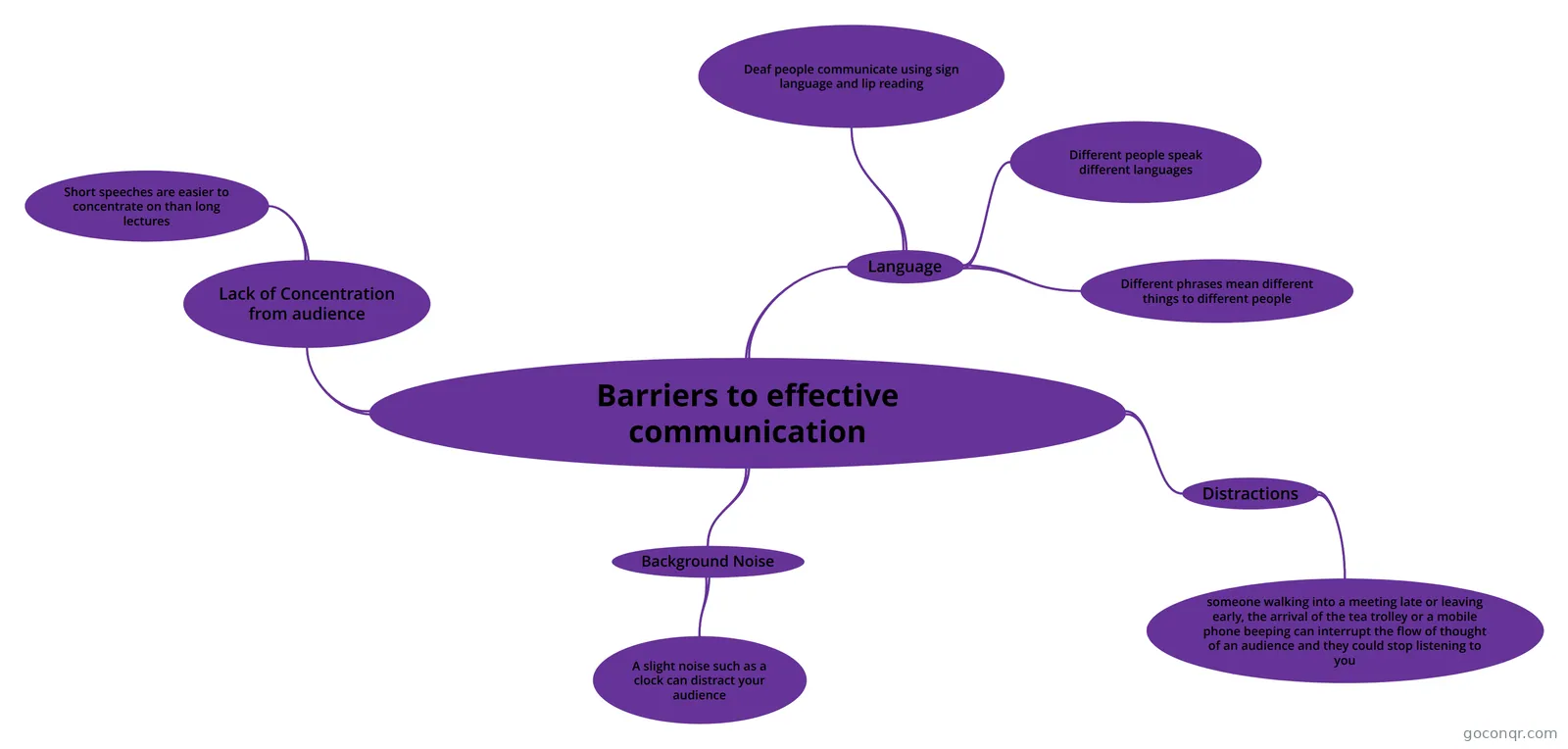 Barriers to effective communication
-
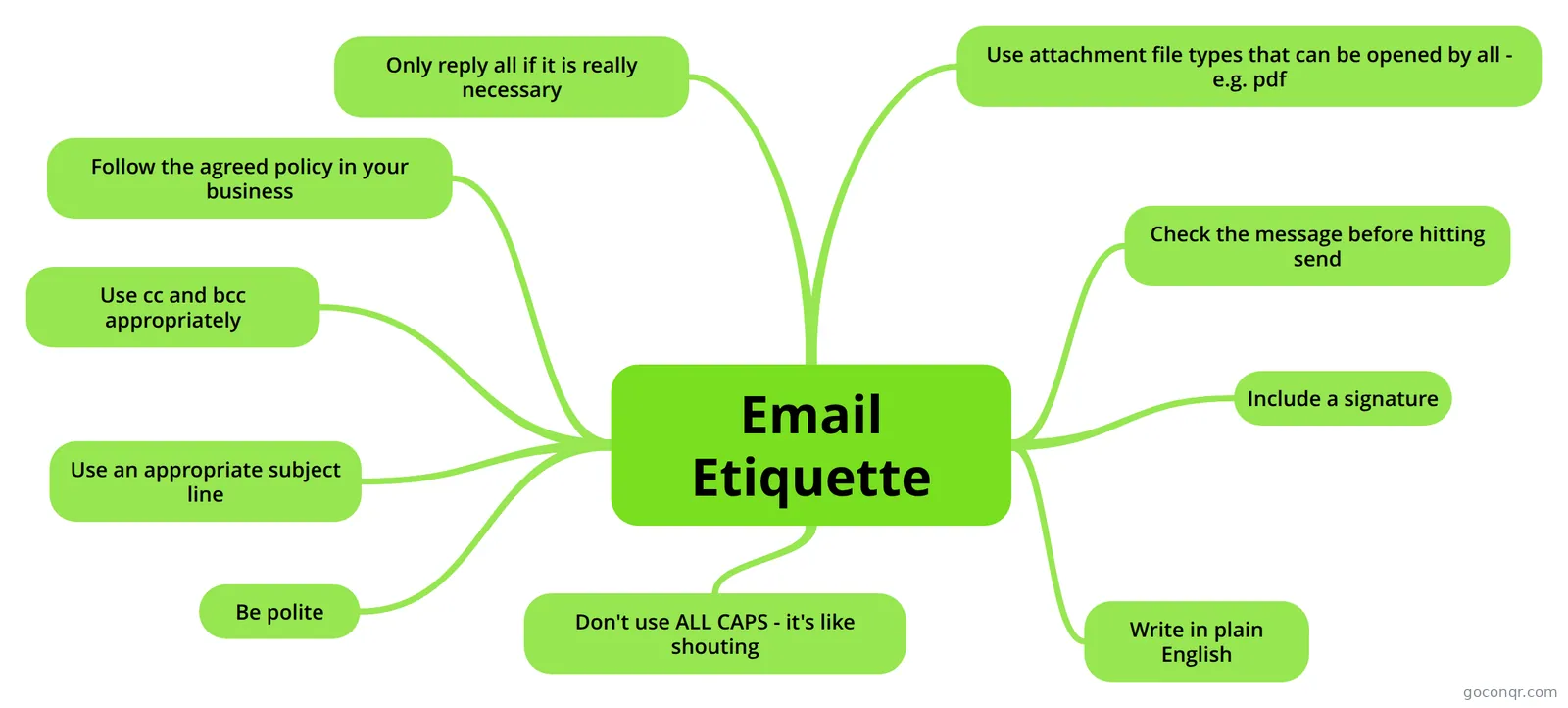 Email Etiquette
-
ELECTRONIC COMMUNICATION In this map I am going to show you the differente types and different of Electronic Communication
Flashcards
See all 35 flashcards-
5 cardsForums A sock puppet is an online identity used for purp`1oses of deception
-
61 cardsIPT Unit 3 What is a communication system?
-
12 cardsHome and personal communication systems by Haqun077 Topic 2 Home and personal communication systems Exam questions
-
11 cardsOnline Communities Online Communities - Contemporary Social Media
-
15 cardsOnline Communities What Are Online Communities?
-
9 cardsEmail What Is Email?
-
12 cardsBBS Online Communication Flash Cards Explain the term NETIQUETTE
-
10 cardsICT Topic 5: Online Communities edexcel
Notes
-
Email Protocols IMAP4 protocol POP3 protocol The main difference between IMAP4 and POP3 protocols is the way in which IMAP4 or POP3 controls your email inbox. When you use IMAP4 you are accessing your email on the school's central em...
-
SMS SMS stands for Short Message Service This is a system that lets mobile phone users send and recieve text messages. Advantages of SMS are: It,s cheap-usually includednin mobile phone packages. Short messages can be sen...
Slides
More Computing and ICT (programming, computer science, digital skills, educational technology) topics
About Online Communication and Social Media
GoConqr OriginalWhat the page covers
The resources here look at how people and businesses communicate online. Many are mind maps. The one on communication methods weighs up the advantages and disadvantages of SMS messaging, such as low cost and reaching several employees at once. Others cover satellite communications, characteristics of communication systems, and barriers to effective communication.
Email, protocols and etiquette
Email has the largest group of flashcards, with many decks on email protocols and using email. The Email Etiquette mind map is a good first stop. It covers a suitable subject line, checking before you send, adding a signature, being polite and writing in plain English. Then move to the email protocol flashcards and notes to learn how messages travel.
Social media and communities
Several mind maps on contemporary social media and online communication sit beside the Social Networks quiz, which asks which networks are for sharing pictures and which are for business. The Forums flashcards cover terms such as sock puppets and trolling. A quiz on communities of practice looks at the three elements of a community of practice, as set out by Wenger.
A sensible order
- Start with a mind map on online communication to see the whole topic.
- Read a note, such as the one on the implications of online communication.
- Test yourself with a quiz, then note what you missed.
- Return to flashcards for those gaps.
Maps give you the overview, while quizzes show what has not stuck. Using both makes revision more active. Teachers can pick a slide set or a quiz to use in class.
Where it fits
This unit belongs to the strand ICT in Use: Communication, Business and Education, within Computing and ICT. Everything was made by GoConqr users, so check each resource against your own course. Choose one map today and try a quiz straight after.
Frequently asked questions
Where should I start on this page?
Start with a mind map such as Email Etiquette or the one on communication methods, which sets out the advantages and disadvantages of SMS messaging. Once you have the overview, try the Social Networks quiz to see which ideas you already know and which need another look.
What do the mind maps cover?
They cover email etiquette, communication methods, satellite communications systems, characteristics of communication systems, barriers to effective communication, and contemporary social media. There are also maps on the advantages and disadvantages of social networking and of digital products, plus several simply titled Online Communication.
Are the resources free to use?
Yes. Every resource listed here is free to open, study and take, with no account needed. If you make a free account, it also saves your quiz scores and lets you create your own quizzes, mind maps, flashcards and notes.
Which exams do these resources suit?
The listed resources mention GCSE ICT, GCSE Computer Science and BTEC IT. Most of the material is aimed at secondary students, so it suits school students revising communication topics. Always compare a resource with your own specification, as users made them.
Who made these resources?
They were made by GoConqr users, not by GoConqr itself. Over 1,000 contributors have added material here. Because of that, quality varies, so it helps to check a resource against your class notes or textbook before relying on it.
What if I can't find what I need?
Try a nearby title, as the same topic often appears under different names, such as email, e-mail or Topic 9 Email. If it is still missing, you can build your own mind map, flashcards or quiz for the gap.